














How to Replace the MAP or IAT Sensor (MAF Issue) on a 2015-2019 Chevrolet Trax (Engine: Inline 4 1.4L)
Step-by-step instructions with tool list, part info, torque specs, and safety checks to restore proper airflow readings
How to Replace the MAP or IAT Sensor (MAF Issue) on a 2015-2019 Chevrolet Trax (Engine: Inline 4 1.4L)
Step-by-step instructions with tool list, part info, torque specs, and safety checks to restore proper airflow readings for 2015, 2016, 2017, 2018, 2019


🔧 Trax - Sensor Replacement (MAF vs MAP/IAT)
On your Trax, most engine load/airflow calculations are done with a MAP sensor (Manifold Absolute Pressure) and an IAT sensor (Intake Air Temperature), not a traditional MAF sensor in the air tube. If you were told “MAF,” you likely need to replace the MAP or IAT sensor instead.
Difficulty Level: Beginner | Estimated Time: 0.5-1.0 hours
⚠️ Safety & Precautions
- ⚠️ Let the engine cool before working near the turbo and intake piping.
- ⚠️ Disconnect the negative battery cable to prevent damage to sensors/ECM.
- ⚠️ Do not touch sensor tips with fingers or spray them with cleaners.
- ⚠️ Check the connector lock tab—don’t force it (plastic breaks easily).
🔧 Required Tools
You'll need the following tools for this repair:
- 10mm socket
- 1/4" drive ratchet
- 1/4" drive extension (3")
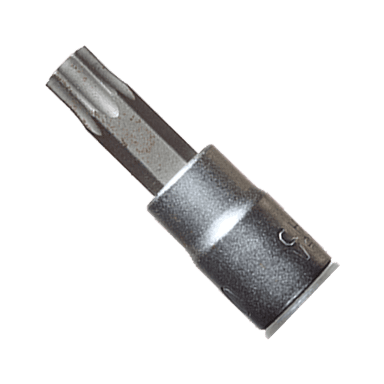
- Torx T20 bit socket
- Torx T30 bit socket
- Small flathead screwdriver
- Pick tool
- Inch-pound torque wrench (specialty)
- Nitrile gloves
- Safety glasses
🔩 Required Parts
HowToo sells all the parts you need for this repair:
- MAP sensor - Qty: 1
- IAT sensor - Qty: 1
- Sensor O-ring/seal (if not included with sensor) - Qty: 1
📋 Before You Begin
- Park on level ground and set the parking brake.
- Open the hood and remove the engine cover if equipped (pull up firmly by hand).
- Use a 10mm socket to disconnect the negative battery cable and isolate it.
- Identify the sensor you’re replacing:
- MAP sensor: usually mounted on/near the intake manifold, with a 3-wire connector and one Torx screw.
- IAT sensor: mounted in an intake/charge pipe, typically retained by one Torx screw, with a small sensor “nose” and an O-ring seal.
🔨 Step-by-Step Instructions
Follow these steps in order:
Step 1: Confirm which “air sensor” you have
- Look for a sensor installed directly in the air tube near the air filter box—if you don’t see one there, you likely do not have a traditional MAF.
- If you tell me where the sensor is located (intake manifold vs pipe), I’ll confirm which steps to follow.
Step 2: Unplug the sensor connector
- Press the connector lock tab by hand; if it’s tight, use a small flathead screwdriver gently to help lift the lock.
- Pull the connector straight off (do not pull on the wires).
- If it won’t release, re-check the lock tab.
Step 3A: Replace the MAP sensor (if mounted on the intake manifold)
- Use a Torx T30 bit socket with a 1/4" ratchet and 3" extension to remove the retaining screw.
- Twist the sensor gently and pull it straight out.
- Inspect the sensor O-ring; remove it with a pick tool if it stayed behind.
- Install the new sensor with a lightly seated O-ring, then reinstall the screw.
- Torque to 10 Nm (89 in-lbs) using an inch-pound torque wrench (specialty).
Step 3B: Replace the IAT sensor (if mounted in an intake/charge pipe)
- Use a Torx T20 bit socket with a 1/4" ratchet to remove the retaining screw.
- Pull the sensor straight out; it may take a gentle twist to release the O-ring.
- Make sure the old O-ring comes out; use a pick tool carefully if needed.
- Install the new sensor and reinstall the screw.
- Torque to 3 Nm (27 in-lbs) using an inch-pound torque wrench (specialty).
Step 4: Reconnect everything
- Plug the connector back in until it clicks.
- Reconnect the negative battery cable using a 10mm socket.
Step 5: Quick visual check
- Verify the connector is fully seated and the harness isn’t stretched or rubbing a hot/sharp part.
- Make sure any removed covers are reinstalled.
✅ After Repair
- Start the engine and let it idle for 2-3 minutes; confirm no warning lights appear.
- If you had a check-engine light, clear codes with a scan tool and recheck after a short test drive.
- Test drive 10-15 minutes and verify normal power and no surging.
💰 DIY vs Shop Cost
Shop Cost: $150-$320 (parts + labor)
DIY Cost: $25-$140 (parts only)
You Save: $110-$250 by doing it yourself!
Shop labor rates vary but typically run $100-$150/hour. This repair takes a shop approximately 0.5-1.0 hours.
🎯 Ready to get started?
HowToo makes it easy: same-day/2-day shipping on every part, plus all the tools and specialty tools you need! Check out the parts and tools sections below to add everything to your cart.
Guide for Manifold Absolute Pressure Sensor replace for these Chevrolet vehicles
| Year Make Model | Sub Model | Engine | Body Style |
|---|---|---|---|
| 2019 Chevrolet Trax | - | Inline 4 1.4L | - |
| 2018 Chevrolet Trax | - | Inline 4 1.4L | - |
| 2017 Chevrolet Trax | - | Inline 4 1.4L | - |
| 2016 Chevrolet Trax | - | Inline 4 1.4L | - |
| 2015 Chevrolet Trax | - | Inline 4 1.4L | - |