














How to Replace the MAP or IAT Sensor (MAF Alternative) on a 2012-2016 Jeep Grand Cherokee (Engine: V8 6.4L)
Step-by-step troubleshooting, tools/parts list, sensor locations, and torque specs to fix airflow-related codes
How to Replace the MAP or IAT Sensor (MAF Alternative) on a 2012-2016 Jeep Grand Cherokee (Engine: V8 6.4L)
Step-by-step troubleshooting, tools/parts list, sensor locations, and torque specs to fix airflow-related codes for 2012, 2013, 2014, 2016


🔧 Grand Cherokee - Air Intake Sensor Replacement (MAF Question)
Your Grand Cherokee with the 6.4L typically does not use a traditional Mass Air Flow (MAF) sensor in the intake tube. Instead, it calculates airflow using a MAP sensor (Manifold Absolute Pressure) and an IAT sensor (Intake Air Temperature).
Before I walk you through the exact replacement: are you trying to replace the MAP sensor on the intake manifold or the IAT sensor in the intake tube/air box? If you have a check-engine light, tell me the code (P0xxx).
Difficulty Level: Beginner | Estimated Time: 0.3-0.7 hours
⚠️ Safety & Precautions
- ⚠️ Work on a cool engine; the intake area gets hot.
- ⚠️ Turn ignition fully OFF and keep the key away from the vehicle while unplugging sensors.
- ⚠️ Disconnect the negative battery cable if you’re worried about setting codes or shorting a connector.
- ⚠️ Do not pull on wiring; always pull on the connector body/lock tab.
🔧 Required Tools
You'll need the following tools for this repair:
- 10mm socket
- 1/4" ratchet
- 1/4" extension (3")
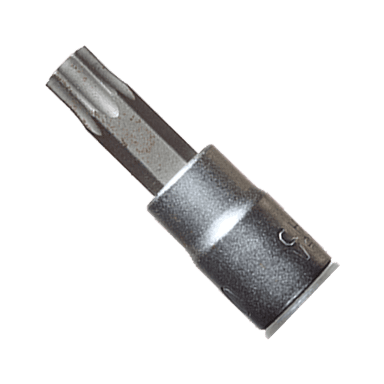
- Torx T25 bit socket
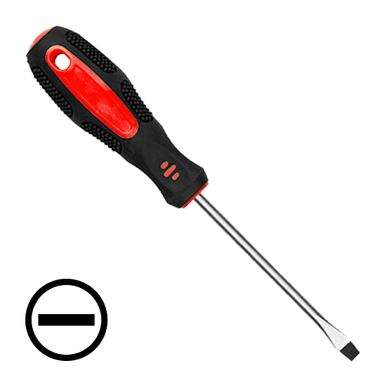
- Flat-blade screwdriver (medium)
- Trim clip removal tool
- OBD2 scan tool
- Shop towels
- Nitrile gloves
- Safety glasses
🔩 Required Parts
HowToo sells all the parts you need for this repair:
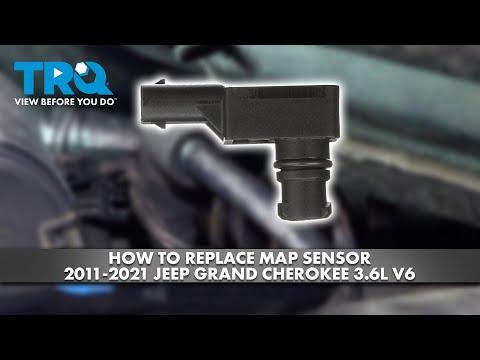
- MAP sensor - Qty: 1
- Intake Air Temperature (IAT) sensor - Qty: 1
- Dielectric grease (sensor connector) - Qty: 1
📋 Before You Begin
- Park on level ground and set the parking brake.
- Open the hood and let the engine cool.
- If disconnecting the battery: use a 10mm socket to remove the negative (-) cable and tuck it aside so it can’t spring back.
- Plug in your OBD2 scan tool and write down any stored codes before unplugging anything.
🔨 Step-by-Step Instructions
Follow these steps in order:
Step 1: Confirm which “air sensor” you’re replacing
- Look at the air intake tube/air box area for a small sensor with a connector: that’s usually the IAT sensor.
- Look at the intake manifold (top of engine) for a small sensor held by a screw: that’s the MAP sensor.
- MAF sensors usually sit inline in the tube.
Step 2: Create access to the sensor (if needed)
- Use a flat-blade screwdriver (medium) to loosen the intake tube clamp(s) if they block access.
- If a cover/push-pins are in the way, use a trim clip removal tool to lift clips without breaking them.
- Move the tube/duct just enough to comfortably reach the connector and fastener.
Step 3: Unplug the electrical connector
- Press the lock tab and pull the connector straight off the sensor.
- If it’s stuck, wiggle gently—do not pry hard on the wires.
- Optional: apply a tiny amount of dielectric grease inside the connector seal during reassembly.
Step 4A: Replace the MAP sensor (intake manifold)
- Use a Torx T25 bit socket with a 1/4" ratchet and 1/4" extension (3") to remove the MAP sensor screw.
- Pull the MAP sensor straight out. If it’s snug, twist gently while pulling.
- Install the new MAP sensor fully seated, then reinstall the screw.
- Torque to 12 Nm (106 in-lbs).
Step 4B: Replace the IAT sensor (intake tube/air box)
- If it’s a twist-lock style: rotate the sensor (usually about 1/4 turn) by hand and pull it out.
- If it’s retained by a small fastener: remove it using the Torx T25 bit socket (some setups vary).
- Install the new IAT sensor, making sure the seal/O-ring sits flat and doesn’t pinch.
Step 5: Reassemble the intake ducting
- Reposition the intake tube and tighten the clamp(s) using a flat-blade screwdriver (medium).
- Reinstall any clips using the trim clip removal tool.
- Plug the sensor connector back in until it clicks.
Step 6: Restore power and clear codes
- If disconnected, reconnect the negative battery cable using a 10mm socket.
- Use your OBD2 scan tool to clear codes.
✅ After Repair
- Start the engine and let it idle for 1–2 minutes. Listen for whistling/hissing (intake air leak).
- Check that the check-engine light stays off after a short test drive.
- Re-scan with the OBD2 scan tool to confirm no codes returned.
💰 DIY vs Shop Cost
Shop Cost: $150-$350 (parts + labor)
DIY Cost: $40-$140 (parts only)
You Save: $110-$210 by doing it yourself!
Shop labor rates vary but typically run $100-$150/hour. This repair takes a shop approximately 0.5-1.0 hours.
🎯 Ready to get started?
HowToo makes it easy: same-day/2-day shipping on every part, plus all the tools and specialty tools you need! Check out the parts and tools sections below to add everything to your cart.
Guide for Manifold Absolute Pressure Sensor replace for these Jeep vehicles
| Year Make Model | Sub Model | Engine | Body Style |
|---|---|---|---|
| 2016 Jeep Grand Cherokee | - | V8 5.7L | - |
| 2016 Jeep Grand Cherokee | - | V8 6.4L | - |
| 2014 Jeep Grand Cherokee | - | V8 5.7L | - |
| 2014 Jeep Grand Cherokee | - | V8 6.4L | - |
| 2013 Jeep Grand Cherokee | - | V8 5.7L | - |
| 2013 Jeep Grand Cherokee | - | V8 6.4L | - |
| 2012 Jeep Grand Cherokee | - | V8 5.7L | - |
| 2012 Jeep Grand Cherokee | - | V8 6.4L | - |