














How to Replace the MAP (MAF) Sensor on a 2005-2021 Jeep Grand Cherokee 5.7L (Engine: V8 5.7L)
Step-by-step DIY MAP sensor replacement with tools, parts list, torque specs, safety tips, and post-repair checks
How to Replace the MAP (MAF) Sensor on a 2005-2021 Jeep Grand Cherokee 5.7L (Engine: V8 5.7L)
Step-by-step DIY MAP sensor replacement with tools, parts list, torque specs, safety tips, and post-repair checks for 2005, 2006, 2007, 2008, 2009, 2010, 2011, 2012, 2013, 2014, 2015, 2017, 2018, 2019, 2020, 2021


🔧 Grand Cherokee - MAP Sensor (Often Called “MAF”) Replacement
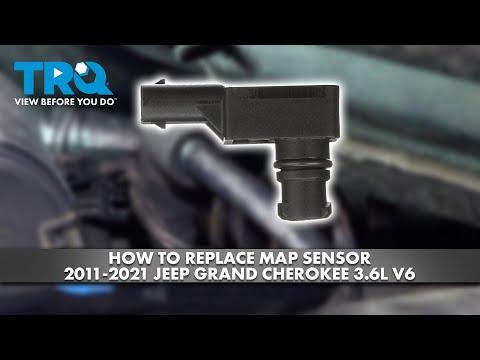
Your 5.7L in the Grand Cherokee uses a MAP sensor (Manifold Absolute Pressure) and not a traditional separate MAF sensor. Many people and some parts sites casually call this a “MAF”, but the part you replace is the MAP sensor on the intake manifold.
This guide shows you how to replace that sensor to fix drivability issues and fault codes related to intake/manifold pressure readings.
Difficulty Level: Beginner | Estimated Time: 0.5–1 hour
⚠️ Safety & Precautions
- ⚠️ Let the engine cool completely; the intake and nearby parts can get very hot.
- ⚠️ Switch ignition OFF and remove the key/fob from the vehicle before unplugging sensors.
- ⚠️ Disconnect the negative battery terminal if you’re worried about shorting connectors or tools touching metal.
- ⚠️ Do not pull on the sensor wires; always handle connectors by the plastic housings.
🔧 Required Tools
You'll need the following tools for this repair:
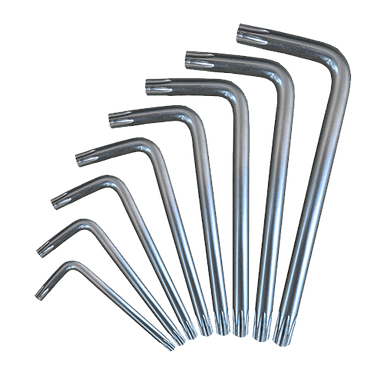
- 🛠️ Torx T20 screwdriver
- 🛠️ 10mm socket
- 🛠️ 1/4" drive ratchet
- 🛠️ 1/4" drive extension (3–6")
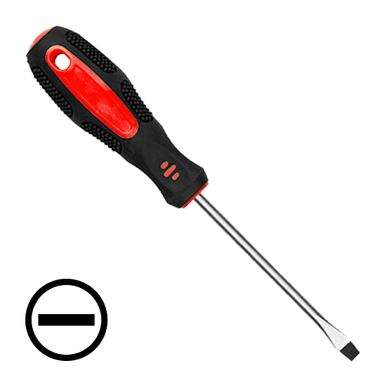
- 🛠️ Small flathead screwdriver
- 🛠️ Torque wrench (inch-pound, 20–80 in-lb range)
- 🛠️ Latex or nitrile gloves
- 🛠️ Safety glasses
🔩 Required Parts
HowToo sells all the parts you need for this repair:
- 🔩 MAP sensor (intake manifold pressure sensor) - Qty: 1
- 🔩 MAP sensor O-ring or seal - Qty: 1 (often included with sensor)
- 🔩 Dielectric grease (for electrical connectors) - Qty: small tube
- 🔩 Battery terminal protector spray - Qty: 1 (optional)
📋 Before You Begin
- Park the Grand Cherokee on level ground, shift to Park, and set the parking brake.
- Turn the ignition OFF and remove the key/fob from the vehicle.
- If you want maximum safety, disconnect the negative battery terminal:
- Use a 10mm socket to loosen the negative clamp on the battery.
- Lift the cable off and tuck it aside so it cannot spring back.
- Locate the MAP sensor: on the 5.7L, it is typically on or near the top of the intake manifold, close to the throttle body, with a small connector and one screw holding it down.
🔨 Step-by-Step Instructions
Follow these steps in order:
Step 1: Open hood and get access
- Pull the hood release inside the cabin, then open the hood and set the prop rod or use the hood struts.
- If there is a plastic engine cover, gently pull up at the corners to release it from its rubber mounts. No tools needed for the cover.
- Set the cover aside where it won’t get stepped on.
Step 2: Identify the MAP sensor
- Look at the top of the intake manifold (the large black plastic piece in the center of the engine).
- The MAP sensor is a small plastic sensor that sits in a hole in the manifold with an electrical connector plugged into it and usually one Torx T20 screw holding it down.
- Compare your new sensor to be sure you found the right part.
Step 3: Unplug the electrical connector
- Press the locking tab on the MAP sensor connector. Use a small flathead screwdriver gently if your fingers can’t reach the tab.
- While holding the tab, pull the connector straight off the sensor body. Do not twist or yank on the wires.
- If there is dirt around the sensor, blow it away by mouth or with gentle air so it doesn’t fall inside the manifold.
Step 4: Remove the MAP sensor
- Use a Torx T20 screwdriver to loosen and remove the single screw holding the MAP sensor to the intake manifold.
- Keep the screw safe; you’ll reuse it.
- Gently rock the sensor side to side while pulling straight up to remove it from the manifold.
- If it feels stuck, work slowly; the O-ring can grip tightly. Do not pry hard on plastic manifold.
Step 5: Inspect and clean the mounting area
- Look at the hole in the intake manifold where the sensor was installed.
- Check for any pieces of old O-ring or dirt. If you see dirt, wipe around the opening with a clean cloth. Do not push debris inside the hole.
- Check the old sensor O-ring. If it’s damaged or flattened, make sure it does not stay stuck in the manifold.
Step 6: Prepare the new MAP sensor
- Install the new O-ring on the new sensor if it is not already installed.
- Lightly coat the O-ring with a tiny bit of clean engine oil on your fingertip to help it slide in. Do not soak it.
- If you have dielectric grease, put a very small amount on the connector pins of the new sensor. This helps prevent corrosion.
Step 7: Install the new MAP sensor
- Line up the new sensor with the hole in the intake manifold.
- Push it straight down by hand until it seats fully and the mounting hole lines up.
- Install the original screw by hand to avoid cross-threading.
- Use the Torx T20 screwdriver to snug the screw.
- Then use the torque wrench with a Torx bit (if applicable) or carefully by hand to tighten:
- Torque to 3 Nm (27 in-lbs) — just snug, not tight like a wheel lug.
Step 8: Reconnect the electrical connector
- Push the connector straight onto the new sensor until you hear or feel a click.
- Gently tug on the connector to confirm it is locked.
- If it doesn’t click, check the locking tab position.
Step 9: Reinstall the engine cover and reconnect battery
- Place the engine cover back over the engine, aligning its rubber grommets with the mounting posts.
- Press down at each corner until it snaps into place.
- If you disconnected the battery earlier:
- Place the negative cable back on the negative battery post.
- Use the 10mm socket and ratchet to tighten the clamp. Do not overtighten.
Step 10: Clear codes (if you have a scan tool)
- If you own an OBD-II scan tool, plug it into the diagnostic port under the dashboard.
- Turn ignition to ON (engine off), follow the tool menu to read and then clear diagnostic trouble codes.
- If you do not have a scan tool, the check engine light may clear itself after several successful drive cycles.
✅ After Repair
- Start the engine and let it idle for a few minutes. Listen for smooth idle and check that no warning lights immediately return.
- Gently rev the engine a few times. It should respond smoothly without hesitation or stalling.
- Take a short test drive with light to moderate acceleration. Confirm there is no loss of power, surging, or check engine light.
- If a code returns, note the exact code number; it may point to wiring, vacuum leaks, or a different sensor.
💰 DIY vs Shop Cost
Shop Cost: $180–$300 (parts + labor)
DIY Cost: $60–$120 (parts only)
You Save: $120–$180 by doing it yourself!
Shop labor rates typically run $100–$150/hour. This repair takes a shop approximately 0.5–1.0 hours.
🎯 Ready to get started?
HowToo makes it easy: same-day/2-day shipping on every part, plus all the tools and specialty tools you need! Check out the parts and tools sections above to add everything to your cart.
Guide for Manifold Absolute Pressure Sensor replace for these Jeep vehicles
| Year Make Model | Sub Model | Engine | Body Style |
|---|---|---|---|
| 2021 Jeep Grand Cherokee | - | V8 5.7L | - |
| 2020 Jeep Grand Cherokee | - | V8 5.7L | - |
| 2019 Jeep Grand Cherokee | - | V8 5.7L | - |
| 2018 Jeep Grand Cherokee | - | V8 5.7L | - |
| 2017 Jeep Grand Cherokee | - | V8 5.7L | - |
| 2015 Jeep Grand Cherokee | - | V8 5.7L | - |
| 2014 Jeep Grand Cherokee | - | V8 5.7L | - |
| 2013 Jeep Grand Cherokee | - | V8 5.7L | - |
| 2012 Jeep Grand Cherokee | - | V8 5.7L | - |
| 2011 Jeep Grand Cherokee | - | V8 5.7L | - |
| 2010 Jeep Grand Cherokee | - | V8 5.7L | - |
| 2009 Jeep Grand Cherokee | - | V8 5.7L | - |
| 2008 Jeep Grand Cherokee | - | V8 5.7L | - |
| 2007 Jeep Grand Cherokee | - | V8 5.7L | - |
| 2006 Jeep Grand Cherokee | - | V8 5.7L | - |
| 2005 Jeep Grand Cherokee | - | V8 5.7L | - |