









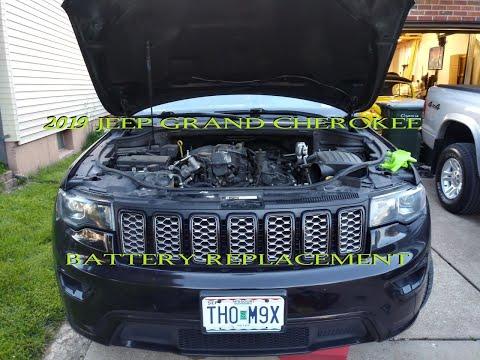





How to Replace the Main Battery on a 2019 Jeep Grand Cherokee
Step-by-step under-seat battery change with tools, parts list, safety tips, torque specs, and DIY cost savings for 2011, 2013, 2014, 2015, 2016, 2017, 2018, 2019, 2020, 2021, 2022, 2023, 2024
How to Replace the Main Battery on a 2019 Jeep Grand Cherokee
Step-by-step under-seat battery change with tools, parts list, safety tips, torque specs, and DIY cost savings for 2011, 2013, 2014, 2015, 2016, 2017, 2018, 2019, 2020, 2021, 2022, 2023, 2024


🔧 Grand Cherokee - Main Battery Replacement
This will walk you through changing the main 12V battery that starts the engine and powers the electronics in your Grand Cherokee. On this model, the main battery is under the front passenger seat, not in the engine bay.
Difficulty Level: Beginner-Intermediate | Estimated Time: 1-1.5 hours
⚠️ Safety & Precautions
- ⚠️ Always turn the ignition OFF, remove the key, and wait at least 3 minutes before touching the battery.
- ⚠️ Airbags and seat wiring are under the front seats; avoid pulling or pinching any yellow connectors or small wires.
- ⚠️ Disconnect the negative (black) terminal first and reconnect it last to reduce the chance of short circuits.
- ⚠️ Batteries are heavy and contain acid; wear gloves and safety glasses and lift with your legs, not your back.
- ⚠️ If your Grand Cherokee has Stop/Start, it may also have a small auxiliary battery; this guide focuses on the main under-seat battery.
- ⚠️ Do not let metal tools bridge between a battery terminal and body metal; this can cause sparks or burns.
🔧 Required Tools
You'll need the following tools for this repair:
- 🧰 10mm socket
- 🧰 13mm socket
- 🧰 1/4" drive ratchet
- 🧰 1/4" drive extension (3"-6")
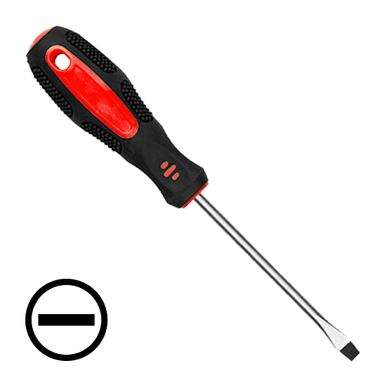
- 🧰 Flathead screwdriver (medium)
- 🧰 Plastic trim removal tool
- 🧰 Battery carrier strap (specialty)
- 🧰 Digital multimeter (specialty)
- 🧰 OBD2 scan tool (basic) (specialty)
- 🧰 12V memory saver device (optional) (specialty)
- 🧰 Work light or flashlight
- 🧰 Mechanic gloves
- 🧰 Safety glasses
🔩 Required Parts
HowToo sells all the parts you need for this repair:
- 🔩 Main AGM battery (Group 94R/H7 or equivalent) - Qty: 1
- 🔩 Battery terminal anti-corrosion spray - Qty: 1
- 🔩 Dielectric grease - Qty: 1
- 🔩 Battery hold-down bolt (replacement, optional) - Qty: 1
- 🔩 Battery vent tube elbow (optional, if damaged) - Qty: 1
- 🔩 Shop towels or rags - Qty: 5-10
📋 Before You Begin
- Park the Grand Cherokee on level ground, shift to PARK, and set the parking brake.
- Move the front passenger seat all the way back and all the way up using the seat switch; then turn ignition OFF.
- Turn off all electrical loads (lights, blower fan, radio, phone chargers).
- If using a memory saver, connect it now to the OBD2 port under the dash before disconnecting the battery.
- Open all doors you’ll need, because power door locks may not work with the battery disconnected.
🔨 Step-by-Step Instructions
Follow these steps in order:
Step 1: Access the battery under the passenger seat
- Sit behind the front passenger seat and look under the front edge of the seat to locate the plastic battery cover.
- Use the plastic trim removal tool to gently pry up the battery cover clips and remove the cover. Pull straight up to avoid breaking clips.
- Set the cover aside where it won’t be stepped on.
Step 2: Identify the battery connections and vent tube
- Locate the battery terminals: positive (+) usually has a red cover, negative (-) is black or unmarked.
- Find the small plastic vent tube on the side of the battery. This carries gas safely outside the cabin.
- Make a quick note or photo of how cables and vent tube are routed. Photos help with reassembly.
Step 3: Disconnect the negative (black) terminal
- Use the 10mm socket and 1/4" drive ratchet to loosen the nut on the negative (-) terminal clamp.
- Once loose, twist the clamp gently and lift it off the battery post. Do not force it.
- Wrap the clamp with a shop towel and tuck it aside so it cannot spring back onto the terminal or touch the positive side.
- Always remove negative first to reduce spark risk.
Step 4: Disconnect the positive (red) terminal
- Flip open or slide back the red plastic cover on the positive terminal.
- Use the 10mm socket and ratchet to loosen the nut on the positive (+) terminal clamp.
- Carefully lift the clamp off the battery post and move it aside, keeping it from touching any metal body parts.
- If there are multiple small wires on the positive terminal, keep them together and do not disconnect them from their clamp.
Step 5: Disconnect the battery vent tube
- Locate the small plastic vent fitting on the side of the battery case.
- Use your fingers or a flathead screwdriver very gently to help slide the vent tube off the fitting.
- Do not kink or tear the vent tube; it must be reused.
Step 6: Remove the battery hold-down clamp
- Locate the metal or plastic bracket at the base of the battery that holds it in place.
- Use the 13mm socket, extension, and ratchet to remove the hold-down bolt.
- Lift off the hold-down bracket and set the bolt and bracket aside together.
- Torque when reinstalling: 15 Nm (11 ft-lbs)
Step 7: Lift out the old battery
- Slide the battery slightly toward the rear of the vehicle to free it from any lip at the front.
- Attach the battery carrier strap to the battery or grip the side handles if present.
- Lift the battery straight up and out carefully; it is heavy. Use both hands and keep your back straight.
- Place the old battery on the ground in an upright position. Return it for proper recycling.
Step 8: Clean the battery tray and terminals
- Inspect the battery tray for dirt or corrosion; wipe it clean with shop towels.
- Check the battery cable clamps for corrosion (white or green crust). Clean gently with a shop towel.
- If needed, very lightly scrape corrosion with a flathead screwdriver, being careful not to damage the metal.
- Spray a light coat of battery terminal anti-corrosion spray on the inside of each clamp and let it dry a bit.
Step 9: Install the new battery
- Verify the new battery matches the old one in size, terminal locations, and vent ports.
- Using the battery carrier strap, lower the new battery into the tray under the seat, keeping it level.
- Make sure the positive (+) and negative (-) posts are oriented the same way as the old battery.
- Slide the battery fully into place so it sits flat in the tray.
Step 10: Reinstall the hold-down clamp
- Place the hold-down bracket back at the base of the battery, making sure it seats correctly against the battery case.
- Install the hold-down bolt by hand first to avoid cross-threading.
- Use the 13mm socket, extension, and ratchet to tighten the bolt.
- Torque to 15 Nm (11 ft-lbs) — snug but not over-tight.
Step 11: Reconnect the vent tube
- Push the vent tube firmly onto the vent port on the side of the new battery.
- Make sure it is fully seated and routed the same way as before, not pinched.
Step 12: Reconnect the positive (red) terminal
- Place the positive (+) battery clamp fully down on the positive post.
- Apply a thin film of dielectric grease on top of the post and around the clamp if desired.
- Use the 10mm socket and ratchet to tighten the clamp nut until the clamp does not move when twisted by hand.
- Torque to 5 Nm (44 in-lbs) — just firmly snug, not crushed.
- Close the red plastic cover over the positive terminal.
Step 13: Reconnect the negative (black) terminal
- Place the negative (-) battery clamp fully down on the negative post.
- Apply a light coat of dielectric grease on the top of the connection if using.
- Use the 10mm socket and ratchet to tighten the clamp nut until the clamp is secure.
- Torque to 5 Nm (44 in-lbs) — firm but not over-tightened.
- Check that neither clamp can be twisted by hand; if it moves, tighten a bit more.
Step 14: Reinstall the plastic battery cover
- Position the plastic cover over the battery, aligning the tabs and clips with the openings.
- Press down gently by hand until all clips snap into place.
- Verify that no cables or the vent tube are pinched by the cover.
Step 15: Basic electrical check
- Use the digital multimeter to check voltage across the battery terminals; you should see around 12.4–12.7 volts with the engine off.
- If the reading is much lower, recheck connections and consider charging the battery before starting.
Step 16: Start the engine and clear any warning lights
- Insert the key or press the start button with your foot on the brake to start the engine.
- Check the instrument cluster for any battery, charging system, or electronic stability warning lights.
- If you have an OBD2 scan tool, connect it and clear any stored low-voltage or battery codes.
✅ After Repair
- Verify all power functions: windows, locks, interior lights, radio, and climate control.
- Reset the clock, radio presets, and any driver seat or mirror memory positions if needed.
- Take a short drive (10–15 minutes) so the alternator can fully top up the new battery.
- Over the next day or two, watch for any warning lights returning; if they do, have the charging system tested.
- Dispose of the old battery at an auto parts store or recycling center; most give a core credit.
💰 DIY vs Shop Cost
Shop Cost: $280-$450 (parts + labor)
DIY Cost: $180-$260 (parts only)
You Save: $100-$190 by doing it yourself!
Shop labor rates are usually $100-$150/hour. This repair takes a shop about 0.5-0.8 hours.
🎯 Ready to get started?
HowToo makes it easy: same-day/2-day shipping on every part, plus all the tools and specialty tools you need! Check out the parts and tools sections above to add everything to your cart.