














How to Replace the MAF Sensor (or MAP Sensor) on a 2014 Chevrolet Malibu 2.5L
Step-by-step sensor identification, removal/install instructions, tools, parts list, and torque specs
How to Replace the MAF Sensor (or MAP Sensor) on a 2014 Chevrolet Malibu 2.5L
Step-by-step sensor identification, removal/install instructions, tools, parts list, and torque specs


🔧 Malibu - Airflow Sensor Replacement (MAF vs MAP)
On your Malibu’s 2.5L engine, most setups use a MAP sensor (manifold absolute pressure) and an IAT sensor (intake air temp) instead of a traditional MAF sensor (mass air flow). This guide helps you confirm what you have, then replace the correct sensor.
Difficulty Level: Beginner | Estimated Time: 0.5–1.0 hours
⚠️ Safety & Precautions
- 🛑 Turn ignition OFF and remove the key before unplugging sensors.
- 🧊 Work on a cool engine to avoid burns near the intake/throttle area.
- 🔋 If you disconnect the battery, you may lose radio presets.
- ⚡ Don’t pull on wires—press the connector lock tab and pull the plug body.
🔧 Required Tools
You'll need the following tools for this repair:
- 10mm socket
- 1/4" drive ratchet
- 3" extension (1/4" drive)
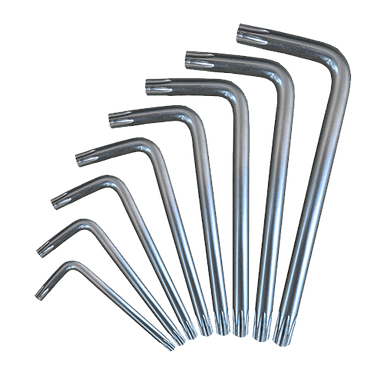
- Torx T20 screwdriver
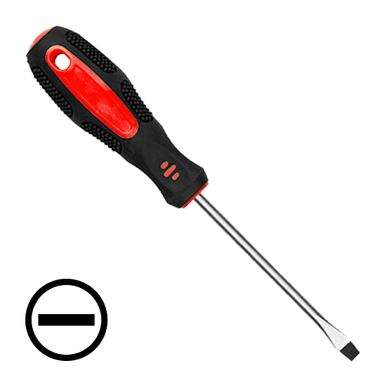
- Flat-blade screwdriver
- Trim clip removal tool
- Inch-pound torque wrench (20–200 in-lbs)
- Shop towel
- Nitrile gloves
- Safety glasses
- OBD2 scan tool
🔩 Required Parts
HowToo sells all the parts you need for this repair:
- MAP sensor - Qty: 1
- MAP sensor O-ring (if not included) - Qty: 1
- MAF sensor - Qty: 1
- MAF sensor seal/gasket (if equipped and not included) - Qty: 1
- Dielectric grease (optional) - Qty: 1
📋 Before You Begin
- Park on level ground, shift to Park, and set the parking brake.
- Open the hood and let the engine cool down.
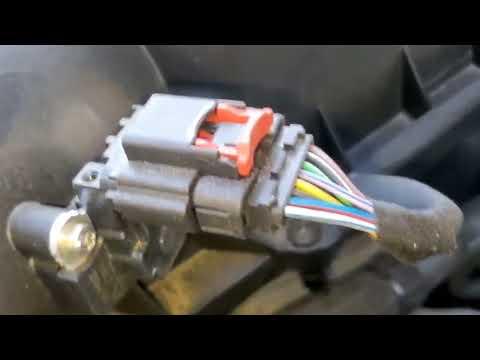
- Quick identify (no tools): A MAF sensor typically sits in the air intake tube/airbox outlet with an electrical connector. A MAP sensor typically mounts on the intake manifold (plastic manifold) with a small plug.
- If you want to be extra safe, disconnect the negative battery cable using a 10mm socket and wait 2 minutes.
🔨 Step-by-Step Instructions
Follow these steps in order:
Step 1: Confirm whether you have a MAF sensor
- Use a flashlight and look at the air tube between the airbox and the engine.
- If you see a sensor body inserted into that tube with a plug: follow Path A (MAF).
- If there is no sensor in that tube: follow Path B (MAP) (this is most common on the 2.5L).
Step 2 (Path A): Remove the intake duct (if it blocks MAF access)
- Loosen the air duct clamps using a flat-blade screwdriver.
- Remove any push-pins/clips holding the duct using a trim clip removal tool.
- Lift the duct off and set it aside on a shop towel.
- Tip: Don’t drop anything into the intake.
Step 3 (Path A): Unplug and remove the MAF sensor
- Press the connector lock and unplug the MAF electrical connector.
- Remove the MAF mounting screws using a Torx T20 screwdriver.
- Pull the sensor straight out (don’t twist hard).
- Torque on install: Torque to 18 in-lbs (2 Nm)
- Tip: Don’t touch the sensing element.
Step 4 (Path A): Install the new MAF sensor
- Make sure the seal/gasket is seated correctly on the new sensor (if used).
- Insert the new sensor straight into the housing.
- Install screws using a Torx T20 screwdriver, then final tighten with an inch-pound torque wrench.
- Torque: Torque to 18 in-lbs (2 Nm)
- Reconnect the electrical connector until it clicks.
Step 5 (Path A): Reinstall the intake duct
- Reinstall the duct and align it squarely on both ends.
- Tighten the clamps using a flat-blade screwdriver.
- Reinstall any clips using a trim clip removal tool.
Step 6 (Path B): Locate the MAP sensor on the intake manifold
- Find the plastic intake manifold on top/front area of the engine.
- Look for a small sensor with a 3-wire connector held by a single fastener (this is typically the MAP sensor).
- If the engine cover is in the way, pull it upward to release it (use a trim clip removal tool if needed).
Step 7 (Path B): Unplug and remove the MAP sensor
- Press the connector lock and unplug the MAP sensor connector.
- Remove the MAP retaining fastener using a 10mm socket and 1/4" ratchet.
- Pull the sensor straight out. The O-ring may hold it snug.
- Torque on install: Torque to 89 in-lbs (10 Nm)
Step 8 (Path B): Install the new MAP sensor
- Lightly lube the new O-ring with a clean wipe of engine oil using a shop towel.
- Push the sensor straight into the manifold until fully seated.
- Install the fastener using a 10mm socket, then final tighten with an inch-pound torque wrench.
- Torque: Torque to 89 in-lbs (10 Nm)
- Reconnect the electrical connector until it clicks.
Step 9: Reconnect battery (if disconnected) and clear codes
- If you disconnected it, reconnect the negative battery cable using a 10mm socket.
- Plug in an OBD2 scan tool and clear any stored codes.
- If you don’t have a scan tool, the light may turn off after a few drive cycles if the problem is fixed.
✅ After Repair
- Start the engine and let it idle for 2–3 minutes. Listen for air leaks (hissing) around the intake duct/manifold.
- Take a 10–15 minute test drive with mixed city/highway driving.
- Recheck for warning lights and rescan with the OBD2 scan tool if available.
- If you had rough idle after battery disconnect, it may smooth out after a short drive as the idle relearns.
💰 DIY vs Shop Cost
Shop Cost: $150–$320 (parts + labor)
DIY Cost: $40–$160 (parts only)
You Save: $110–$160 by doing it yourself!
Shop labor rates vary but typically run $100-$150/hour. This repair takes a shop approximately 0.5–1.0 hours.
🎯 Ready to get started?
HowToo makes it easy: same-day/2-day shipping on every part, plus all the tools and specialty tools you need! Check out the parts and tools sections below to add everything to your cart.