












How to Replace the MAF Sensor on a 2022 Ram 1500 Classic 3.6L V6
Step-by-step DIY MAF sensor replacement with tools, safety tips, and install checklist for your 2022 Ram 1500 Classic
How to Replace the MAF Sensor on a 2022 Ram 1500 Classic 3.6L V6
Step-by-step DIY MAF sensor replacement with tools, safety tips, and install checklist for your 2022 Ram 1500 Classic


1500 Classic - Mass Air Flow (MAF) Sensor Replacement 🔧
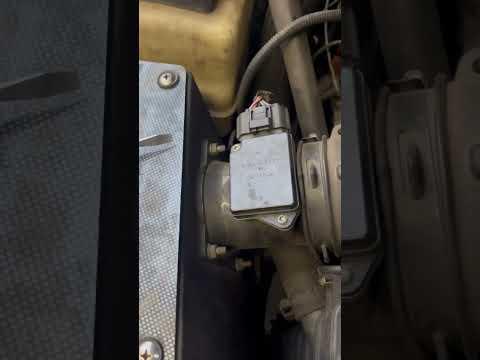
On your 3.6L V6, the MAF sensor is built into the intake air temperature (IAT)/MAF assembly in the air intake duct, just after the air filter box.
Before we start, two quick questions so I can be exact:
- 🔹 Are you replacing it because of a specific trouble code (like P0101–P0104), or just as a guess?
- 🔹 Do you have a basic socket set and a small Torx or hex bit set available?
I’ll give you the full procedure assuming you have basic hand tools.
Safety & Prep ⚠️
- ⚠️ Work on a cool engine – hot parts can burn you.
- ⚠️ Disconnect the negative battery cable to avoid short circuits and accidental check-engine lights while unplugging sensors.
- 🔹 Park on level ground, set the parking brake, and put the transmission in PARK.
Tools & Parts You’ll Need 🧰
- 🛠️ New MAF/IAT sensor assembly (for 3.6L in your 1500 Classic; match by year/engine)
- 🛠️ Ratchet and socket set (metric):
- Common sizes: 8 mm and/or 10 mm for hose clamps and battery terminal
- 🛠️ Torx or small hex bits (often T20 or similar) – used for the sensor screws if the sensor is removable from the housing
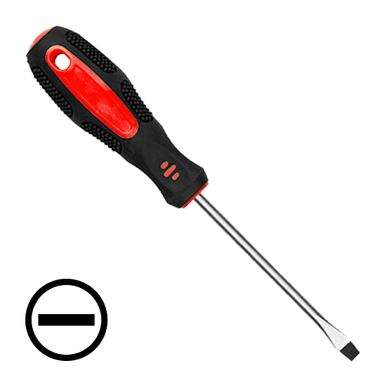
- 🛠️ Flat-blade screwdriver – to loosen hose clamps if they are screw-type
- 🛠️ Gloves and safety glasses – protect your hands and eyes
- 🛠️ (Optional) MAF cleaner spray – only if you plan to clean the old sensor; never use brake cleaner or carb cleaner on a MAF.
“Torx” is a star-shaped screw head; a Torx bit fits into your ratchet or screwdriver handle.
Step 1 – Disconnect the Battery 🔋
- 🔧 Use an 10 mm socket to loosen the nut on the negative (-) battery terminal.
- 🔧 Wiggle the cable off the terminal and tuck it aside so it cannot spring back.
- This prevents accidental shorts and helps the PCM reset after the repair.
Step 2 – Locate the MAF Sensor 📍
- 🔧 Open the hood and find the air filter box (large black plastic box on one side of the engine bay).
- 🔧 Follow the large plastic intake tube that runs from the air box toward the throttle body (engine).
- 🔧 The MAF/IAT sensor is mounted in this tube, usually with:
- A small electrical connector plugged into it
- Two small screws or clips holding it in place, or it may be part of the tube assembly
Step 3 – Unplug the MAF Sensor Connector 🔌
- 🔧 Find the wiring connector on the sensor.
- 🔧 Press the locking tab (usually a small plastic tab you push down or pull up) and gently pull the connector straight off.
- Do not pull on the wires; only pull on the plastic plug.
- 🔧 Inspect the connector for:
- Corrosion (green/white powder)
- Bent or pushed-back pins
Step 4 – Remove the Old MAF Sensor 🧩
There are two common setups. Look at yours and follow the matching path:
- 🛠️ Type A – Sensor held by 2 small screws in the tube
- Use the correct Torx or hex bit to remove the screws.
- Gently pull the sensor straight out of the intake tube.
- Do not twist hard; the plastic can crack.
- 🛠️ Type B – Sensor integrated into a short plastic housing
- Loosen the hose clamps on both sides of the housing using an 8 mm socket or flat screwdriver.
- Slide the intake tube off the housing.
- Lift the housing out as a unit.
Look inside the tube: you’ll see a small, delicate sensing element. Avoid touching it.
Step 5 – Install the New MAF Sensor ✅
- 🔧 Compare the new sensor to the old one:
- Same connector shape
- Same mounting holes
- Same orientation tab or notch
- 🛠️ Type A – Sensor only
- Slide the new sensor into the opening in the intake tube, matching the airflow direction arrow (arrow should point toward the engine).
- Install the screws by hand first to avoid cross-threading.
- Tighten the screws snugly with the Torx/hex bit – do not overtighten (they are small and can strip easily).
- 🛠️ Type B – Housing assembly
- Place the new housing between the air box and the intake tube in the same orientation as the old one (arrow toward engine).
- Slide the hoses fully over the ends of the housing.
- Tighten the hose clamps snugly with an 8 mm socket or screwdriver.
- Make sure there are no gaps; air leaks here can cause codes.
Step 6 – Reconnect the Electrical Connector 🔌
- 🔧 Plug the connector back into the sensor until you hear or feel a click.
- 🔧 Gently tug on the connector to confirm it is locked in place.
Step 7 – Reconnect Battery & PCM Reset 🔁
- 🔧 Reattach the negative (-) battery cable to the battery post.
- 🔧 Tighten the nut with a 10 mm socket until snug (do not overtighten).
- 🔧 Turn the ignition to RUN (engine off) for about 10–15 seconds, then off again.
- This helps the PCM “relearn” the new sensor.
Step 8 – Start-Up & Check for Problems 🚙
- 🔧 Start the engine and let it idle for a few minutes.
- 🔧 Watch for:
- Check Engine Light staying on or flashing
- Rough idle, stalling, or hesitation
- 🔧 If you have a scan tool, clear any stored codes and see if they return after a short drive.
Tips & Common Mistakes 💡
- 🛠️ Do not touch the sensing element with fingers or tools; oils can ruin it.
- 🛠️ Check the air filter while you’re there; a very dirty filter can shorten MAF life.
- 🛠️ Inspect the intake tube for cracks or loose clamps; unmetered air leaks can mimic a bad MAF.
- 🛠️ If the same code returns quickly, the issue might be:
- Vacuum leak
- Wiring/connector problem
- Dirty throttle body or other sensor issue
What’s Next? 🧾
If you tell me which code(s) you had (like P0101, P0102, etc.), I can help you confirm that replacing the MAF was the right move and what to check if the light comes back.
HowToo makes it easy: below this answer you’ll see the correct MAF sensor options and any tools you might be missing, all with fast shipping. You can add them to your cart directly from the parts section.