













How to Replace the MAF Sensor on a 2019 Ford Escape (Step-by-Step DIY)
Complete DIY guide for 2019 Ford Escape MAF sensor replacement with tools, parts list, safety tips, and detailed instructions
How to Replace the MAF Sensor on a 2019 Ford Escape (Step-by-Step DIY)
Complete DIY guide for 2019 Ford Escape MAF sensor replacement with tools, parts list, safety tips, and detailed instructions


🔧 Escape - Mass Air Flow (MAF) Sensor Replacement
You’ll be removing the old MAF sensor from the air intake tube on your Escape and installing a new one. This helps the engine get accurate air measurements, which can fix rough running, poor fuel economy, or check-engine lights related to the MAF.
Difficulty Level: Beginner | Estimated Time: 0.5–1 hour
⚠️ Safety & Precautions
- 🛑 Always turn the engine off and remove the key before working under the hood.
- 🧯 Let the engine cool if it has been running so you don’t burn your hands on hot parts.
- 🔌 Avoid pulling on wires; only pull on connectors and plastic housings.
- ⚡ For this job, disconnecting the battery is optional but recommended to avoid accidental shorts and to help clear learned values.
- 💨 Do not touch the sensing element of the new MAF sensor; oils from your skin can damage it.
🔧 Required Tools
You'll need the following tools for this repair:
- 🧰 Ratchet handle
- 🧰 8mm socket
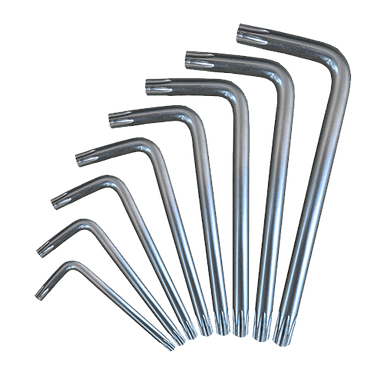
- 🧰 T20 Torx screwdriver
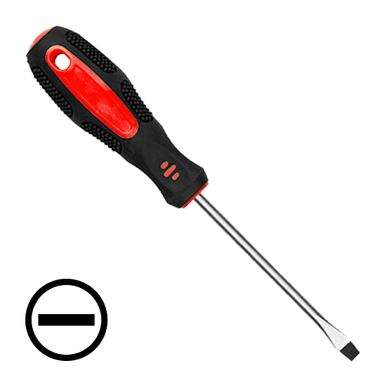
- 🧰 Small flathead screwdriver
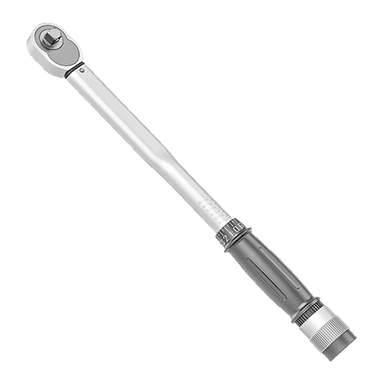
- 🧰 Torque wrench (inch-pound, 20–80 in-lbs range)
- 🧰 Mechanic’s gloves
- 🧰 Safety glasses
🔩 Required Parts
HowToo sells all the parts you need for this repair:
- 📦 Mass air flow (MAF) sensor - Qty: 1
- 📦 MAF sensor sealing O-ring or gasket - Qty: 1
- 📦 Dielectric grease (sensor-safe) - Qty: 1 small tube
- 📦 Battery terminal cleaning brush - Qty: 1 (optional)
📋 Before You Begin
- 🚗 Park your Escape on a flat, level surface, shift to Park, and set the parking brake.
- 🔑 Turn the ignition off and remove the key or fob from the vehicle.
- 🔌 Recommended: Disconnect the negative battery cable using an 8mm socket to prevent accidental shorts and help reset fuel trims.
- 💾 If your radio or settings reset when the battery is disconnected, note your favorite stations or settings before you start.
🔨 Step-by-Step Instructions
Follow these steps in order:
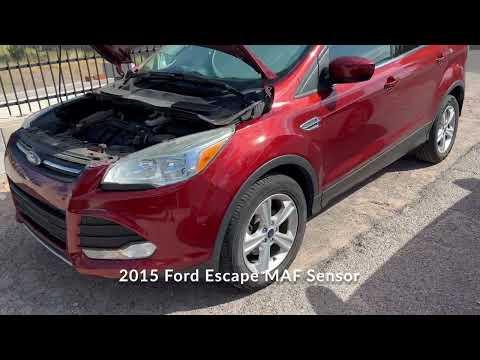
Step 1: Open the hood and locate the MAF sensor
- Pull the hood release inside the cabin, then unlatch and raise the hood.
- The MAF sensor on your Escape is mounted on the plastic air intake tube between the air filter box and the engine.
- Look for a small rectangular sensor body with an electrical connector and two Torx screws holding it into the tube.
Step 2: Disconnect the battery (recommended)
- Use an 8mm socket and ratchet handle to loosen the nut on the negative (black) battery terminal.
- Twist and lift the negative cable off the post and move it aside so it cannot spring back into contact.
- Always remove negative cable first for safety.
Step 3: Unplug the MAF sensor connector
- Press the plastic lock tab on the MAF connector with your thumb.
- If the tab is stiff, gently help it with a small flathead screwdriver while you press, being careful not to break the tab.
- Pull the connector straight off the sensor housing—do not pull on the wires.
- Inspect the connector for corrosion or broken pins; clean gently if needed.
Step 4: Remove the MAF sensor mounting screws
- Use a T20 Torx screwdriver to remove the two screws securing the MAF sensor to the intake tube.
- Turn counterclockwise until both screws are fully loose, then set them aside in a safe place so they don’t fall into the engine bay.
- Keep screws with sensor so nothing gets mixed up.
Step 5: Remove the old MAF sensor
- Gently pull the MAF sensor straight out of the intake tube by its plastic body.
- If it feels stuck, wiggle it slightly side to side while pulling; do not pry with metal tools on the sensing element.
- Note the orientation of the sensor (airflow direction arrow) so you install the new one the same way.
Step 6: Inspect and prepare the mounting area
- Check the opening in the intake tube for dirt or damage; wipe the sealing surface with a clean, dry cloth if dusty.
- Remove the old O-ring or gasket from the sensor or intake tube.
- Compare the new MAF sensor and O-ring to the old ones to confirm they match.
Step 7: Install the new MAF sensor
- Install the new O-ring or gasket onto the new MAF sensor if it is not pre-installed.
- Align the new MAF sensor with the opening in the intake tube, matching the airflow arrow direction to the air path (from air filter toward engine).
- Carefully slide the sensor into place until it seats fully and evenly against the tube.
Step 8: Reinstall and tighten the MAF screws
- Start both screws by hand to avoid cross-threading, then tighten them with the T20 Torx screwdriver.
- Snug the screws evenly; do not overtighten, as they thread into plastic. Ford does not publish a specific torque for these screws—tighten just until snug and the sensor is secure.
- Stop as soon as the sensor stops moving.
Step 9: Reconnect the MAF electrical connector
- If you are using dielectric grease, apply a tiny amount to the connector seal only, not on the metal pins.
- Push the connector straight onto the sensor until you feel or hear a click from the locking tab.
- Gently tug the connector to confirm it is locked in place.
Step 10: Reconnect the battery
- Place the negative battery cable back onto the negative battery post.
- Use the 8mm socket and ratchet handle to tighten the terminal nut until snug. Do not overtighten—just enough that the terminal does not move by hand.
- Loose terminals can cause starting or electrical issues.
Step 11: Initial start-up and idle relearn
- Sit in the driver’s seat and turn the key or push the start button to start the engine.
- Let the engine idle in Park for about 5–10 minutes with all accessories off (A/C, lights, stereo).
- This allows the engine computer to relearn the new sensor’s readings.
✅ After Repair
- 🧪 Take your Escape for a short, gentle drive: city speeds first, then a brief highway drive if possible.
- 🔍 Watch for any warning lights on the dash (especially the check engine light) and note any hesitation, rough idle, or poor acceleration.
- 📲 If the check engine light was on before, you can clear codes with an OBD2 scanner or wait a few trips for the computer to update if the problem is fixed.
- 🎧 Re-enter radio presets and other settings if they were lost when the battery was disconnected.
💰 DIY vs Shop Cost
Shop Cost: $250–$400 (parts + labor)
DIY Cost: $80–$160 (parts only)
You Save: $170–$240 by doing it yourself!
Shop labor rates vary but typically run $100–$150/hour. This repair takes a shop approximately 0.5–1.0 hours.
🎯 Ready to get started?
HowToo makes it easy: same-day/2-day shipping on every part, plus all the tools and specialty tools you need! Check out the parts and tools sections above to add everything to your cart.
Guide for Mass Air Flow Sensor Hose replace for these Ford vehicles
| Year Make Model | Sub Model | Engine | Body Style |
|---|