















How to Replace the MAF Sensor on a 2017 Toyota Tacoma (Step-by-Step)
Complete DIY Tacoma MAF sensor replacement guide with tools, parts list, torque specs, safety tips, and after-repair checks for 2016, 2017, 2018, 2019, 2020, 2021, 2022, 2023
How to Replace the MAF Sensor on a 2017 Toyota Tacoma (Step-by-Step)
Complete DIY Tacoma MAF sensor replacement guide with tools, parts list, torque specs, safety tips, and after-repair checks for 2016, 2017, 2018, 2019, 2020, 2021, 2022, 2023


🔧 Tacoma - MAF Sensor Replacement
You’ll be removing the mass air flow (MAF) sensor from the intake tube on your Tacoma and installing a new one. The MAF sensor measures how much air enters the engine, and a faulty one can cause rough running, poor fuel economy, or a check engine light.
Difficulty Level: Beginner | Estimated Time: 0.3–0.5 hours
⚠️ Safety & Precautions
- ⚠️ Turn the engine off and remove the key before starting.
- ⚠️ Let the engine cool for at least 15–20 minutes to avoid hot parts.
- ⚠️ Avoid touching the sensing element on the MAF; it is very delicate.
- ⚠️ Disconnecting the negative battery terminal is recommended to avoid accidental shorts and to help the ECU relearn readings.
- ⚠️ Do not spray cleaners or liquids into the new MAF sensor.
🔧 Required Tools
You'll need the following tools for this repair:
- 🔹10mm socket
- 🔹1/4" drive ratchet
- 🔹3" 1/4" drive extension
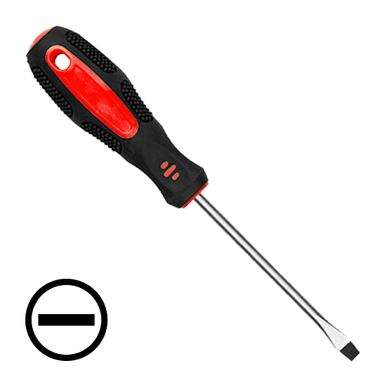
- 🔹Small flathead screwdriver
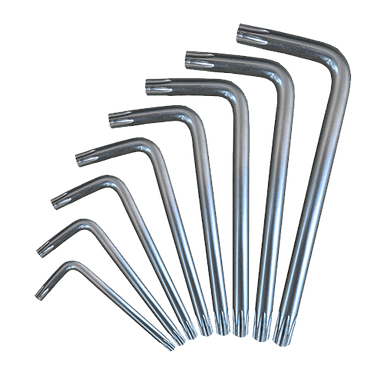
- 🔹Torx T20 screwdriver
- 🔹Gloves
- 🔹Safety glasses
- 🔹Shop towel
🔩 Required Parts
HowToo sells all the parts you need for this repair:
- 🔹MAF sensor - Qty: 1
- 🔹MAF sensor O-ring or gasket - Qty: 1
- 🔹Dielectric grease (sensor connector safe) - Qty: 1
- 🔹Battery terminal protector spray - Qty: 1 (optional)
📋 Before You Begin
- Park your Tacoma on level ground, set the parking brake, and put the transmission in gear (1st) with wheels chocked if on any slope.
- Open the hood and secure it with the prop rod.
- If you choose to disconnect the battery: use the 10mm socket and loosen the negative (black) terminal and move the cable aside so it cannot spring back.
- Make sure you have the new MAF sensor and O-ring ready so the intake isn’t open for long.
🔨 Step-by-Step Instructions
Follow these steps in order:
Step 1: Locate the MAF sensor
- Open the hood and stand in front of the truck.
- Find the air filter box on the passenger side near the front of the engine bay.
- Follow the plastic tube that leaves the air box toward the engine; the MAF sensor is mounted on the air box outlet or tube with a small wiring connector plugged into it.
- MAF is usually a small rectangular sensor with a plug.
Step 2: Disconnect the MAF electrical connector
- Put on your gloves and safety glasses.
- Use your fingers or a small flathead screwdriver to press down the plastic tab on the MAF connector. A flathead screwdriver is a small straight-blade tool used to push tabs or turn straight-slot screws.
- While holding the tab down, pull the connector straight back to unplug it from the sensor.
- If it feels stuck, gently wiggle the connector side to side while pulling—do not pull on the wires themselves.
Step 3: Remove the MAF mounting screws
- Identify the two small screws holding the MAF sensor to the air box or tube.
- Use the Torx T20 screwdriver to loosen and remove both screws. A Torx screwdriver has a star-shaped tip that fits matching screws.
- Place the screws on a shop towel or small tray so they don’t fall into the engine bay.
- Keep the screws; most new sensors don’t include them.
Step 4: Remove the old MAF sensor
- Gently pull the MAF sensor straight out of its bore in the air box or intake tube.
- If it feels stuck, wiggle it slightly while pulling—do not twist hard or pry with force.
- Look for the rubber O-ring on the sensor. The O-ring is a round rubber seal that prevents air leaks.
- Remove the old O-ring if it stays in the air box instead of on the sensor.
Step 5: Prepare the new MAF sensor
- Take the new MAF sensor out of its packaging and avoid touching the sensing element (the small, exposed part inside the sensor opening).
- Install the new O-ring or gasket onto the new sensor if it is not already installed.
- If you have dielectric grease, put a very small amount on the rubber seal of the electrical connector only, not on metal terminals.
- Dielectric grease helps keep moisture out of connectors.
Step 6: Install the new MAF sensor
- Align the new sensor the same way the old one came out; there is usually a tab or key so it only fits one way.
- Slide the new sensor straight into the opening until it is fully seated against the air box or tube.
- Install the two screws by hand first to avoid cross-threading.
- Use the Torx T20 screwdriver to snug the screws evenly.
- Torque to 3 Nm (27 in-lbs) if you have a small torque wrench; otherwise tighten just until snug and then a tiny extra turn, do not over-tighten.
- These screws go into plastic—gentle is key.
Step 7: Reconnect the MAF electrical connector
- Line up the electrical connector with the sensor socket.
- Push the connector straight in until you feel or hear a “click.”
- Lightly tug the connector to confirm it is locked in place.
Step 8: Reconnect the battery (if disconnected)
- Place the negative (black) battery cable back on the negative battery post.
- Use the 10mm socket, 3" extension, and 1/4" drive ratchet to tighten the clamp.
- Torque to 5 Nm (44 in-lbs) if you have a torque wrench; otherwise tighten until the clamp does not move on the post.
- If using battery terminal protector spray, apply a light coat now.
✅ After Repair
- Start the engine and let it idle for a few minutes. The idle may change slightly as the computer relearns the new sensor readings.
- Check the area around the MAF sensor for any obvious air leaks or loose parts.
- Take a short test drive, including some gentle acceleration and steady cruising.
- If your check engine light was on for a MAF-related code, it may clear on its own after a few drive cycles; otherwise you can use a scan tool to clear the code.
- Watch for any warning lights or drivability issues (hesitation, stalling, rough idle). If they persist, further diagnostics may be needed.
💰 DIY vs Shop Cost
Shop Cost: $180–$260 (parts + labor)
DIY Cost: $80–$140 (parts only)
You Save: $100–$180 by doing it yourself!
Shop labor rates vary but typically run $100–$150/hour. This repair takes a shop approximately 0.3–0.5 hours.
🎯 Ready to get started?
HowToo makes it easy: same-day/2-day shipping on every part, plus all the tools and specialty tools you need! Check out the parts and tools sections above to add everything to your cart.