














How to Replace the MAF Sensor on a 2017-2024 Honda CR-V (Engine: Inline 4 1.5L)
Step-by-step DIY guide with tools, parts list, torque specs, safety tips, and post-repair checks
How to Replace the MAF Sensor on a 2017-2024 Honda CR-V (Engine: Inline 4 1.5L)
Step-by-step DIY guide with tools, parts list, torque specs, safety tips, and post-repair checks for 2017, 2018, 2019, 2020, 2021, 2022, 2023, 2024


🔧 CR-V - Mass Air Flow (MAF) Sensor Replacement
The MAF sensor on your CR-V tells the engine computer how much air is entering the engine so it can set the correct fuel mixture. When it fails, you can get rough idle, poor fuel economy, or a check engine light. You’ll remove it from the air intake tube, install a new one, and clear any stored fault codes if needed.
Difficulty Level: Beginner | Estimated Time: 0.5–1 hour
⚠️ Safety & Precautions
- ⚠️ Let the engine cool completely before working under the hood to avoid burns.
- ⚠️ Disconnect the negative battery terminal to avoid accidental shorts and to help reset the engine computer.
- ⚠️ Do not touch the sensing element on the new MAF sensor; oils from your fingers can damage it.
- ⚠️ Work in a clean area; dirt entering the intake can damage the turbocharger and engine.
- ⚠️ Turn ignition OFF and remove the key before unplugging any engine sensors.
🔧 Required Tools
You'll need the following tools for this repair:
- 🛠️ 10mm socket
- 🛠️ 1/4" drive ratchet
- 🛠️ 1/4" drive extension (3–6")
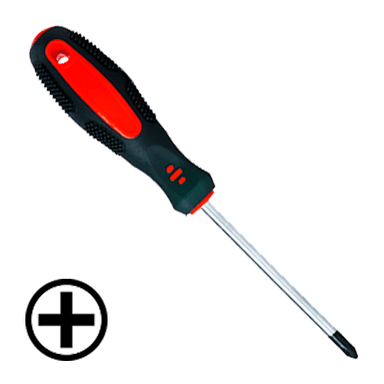
- 🛠️ Phillips #2 screwdriver
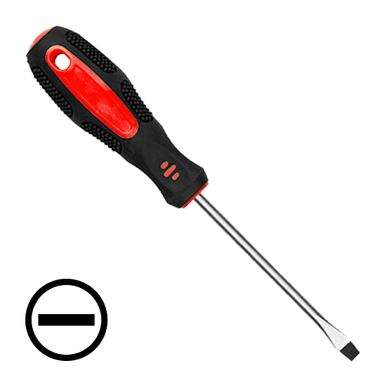
- 🛠️ Small flathead screwdriver
- 🛠️ Torque screwdriver (0–5 Nm range) (specialty)
- 🛠️ OBD2 scan tool (basic code reader) (specialty)
- 🛠️ Mechanic’s gloves
- 🛠️ Safety glasses
🔩 Required Parts
HowToo sells all the parts you need for this repair:
- 🔩 Mass air flow (MAF) sensor - Qty: 1
- 🔩 MAF sensor O-ring or gasket - Qty: 1
- 🔩 Dielectric grease (sensor-safe) - Qty: small tube
- 🔩 Battery terminal cleaning wipes - Qty: 1 pack
📋 Before You Begin
- Park your CR-V on level ground, shift to Park, and set the parking brake.
- Turn the ignition OFF and remove the key or fob from the vehicle.
- Open the hood and secure it with the hood prop rod.
- Locate the battery on the left side of the engine bay and the air intake tube on the right side near the air filter box.
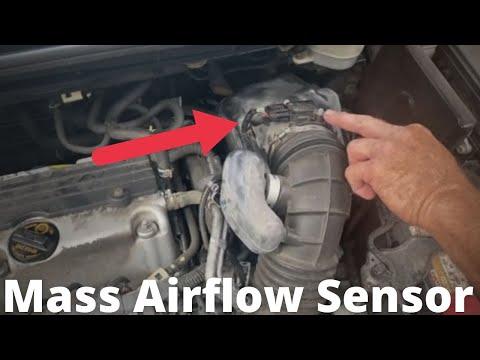
- The MAF sensor is mounted on the air intake duct just downstream of the air filter box, with a wire connector plugged into it.
🔨 Step-by-Step Instructions
Follow these steps in order:
Step 1: Disconnect the battery
- Use the 10mm socket and 1/4" drive ratchet to loosen the nut on the negative (black) battery terminal.
- Pull the negative cable off the battery post and tuck it aside so it cannot spring back.
- Always remove negative cable first for safety.
Step 2: Locate the MAF sensor
- Stand in front of your CR-V and look at the large black plastic air filter box on the right side.
- Follow the air duct leaving the box toward the engine; the MAF sensor is a small rectangular plastic piece bolted into this duct with a 4-wire connector attached.
- Look for the part with an electrical plug on the intake tube.
Step 3: Unplug the MAF sensor connector
- Press the locking tab on the MAF connector with your thumb; if it is stiff, gently lift the tab with a small flathead screwdriver.
- While holding the tab, pull the connector straight off the sensor body—do not pull on the wires.
- Inspect the connector for dirt or corrosion; wipe gently if needed.
Step 4: Remove the MAF sensor mounting screws
- Use the Phillips #2 screwdriver to remove the two screws holding the MAF sensor to the air duct.
- Keep steady downward pressure to avoid stripping the screws.
- Set the screws aside in a small container so they do not get lost.
Step 5: Remove the old MAF sensor
- Gently pull the MAF sensor straight out of the air duct.
- If it feels stuck, gently twist it a few millimeters side to side while pulling; do not force it.
- Check that the old O-ring or gasket came out with the sensor; if it’s still in the duct, remove it carefully with a small flathead screwdriver.
Step 6: Prepare the new MAF sensor
- Compare the new sensor with the old one to confirm the same shape, connector, and mounting holes.
- Lightly coat the new O-ring or gasket with clean engine oil using your finger; this helps it seat without tearing.
- Install the O-ring onto the new sensor if it is not pre-installed.
- Do not touch the tiny sensing wires or element.
Step 7: Install the new MAF sensor
- Align the new MAF sensor with the opening in the air duct; the electrical connector side should face the same direction as before.
- Push the sensor straight into the duct until the flange sits flat against the duct surface.
- Install the original screws by hand a few turns to avoid cross-threading.
- Use the Phillips #2 screwdriver to snug the screws evenly.
- If you have a torque screwdriver, tighten each screw to 2.5 Nm (22 in-lbs).
- Do not overtighten; the plastic can crack.
Step 8: Reconnect the electrical connector
- If you have dielectric grease, apply a very small amount to the rubber seal of the connector, not on the metal pins.
- Push the connector straight onto the new MAF sensor until you hear or feel a click.
- Gently tug on the connector to confirm it is locked in place.
Step 9: Reconnect the battery
- Place the negative battery cable back onto the negative battery post.
- Use the 10mm socket and 1/4" drive ratchet to tighten the nut snugly.
- Do not overtighten; just make sure the terminal does not move by hand.
- Reconnecting power lets the engine computer see the new sensor.
Step 10: Clear codes and test (if you have a scan tool)
- Plug your OBD2 scan tool into the diagnostic port under the driver’s side dashboard.
- Turn the ignition to ON (engine off) and follow the scanner prompts to read and clear any stored codes related to the MAF or air flow.
- Turn ignition OFF, then restart the engine.
✅ After Repair
- Start the engine and let it idle for a few minutes. The idle may fluctuate slightly at first as the computer “relearns” with the new sensor.
- Check around the MAF sensor area for any obvious air leaks (hissing) or loose clamps.
- Take a short, gentle test drive with smooth acceleration. Confirm there is no check engine light, hesitation, or stalling.
- If a check engine light returns, recheck that the connector is fully seated and the sensor is installed in the correct direction, then re-scan for codes.
💰 DIY vs Shop Cost
Shop Cost: $180–$320 (parts + labor)
DIY Cost: $70–$150 (parts only)
You Save: $110–$170 by doing it yourself!
Shop labor rates typically run $100–$150/hour. This repair takes a shop approximately 0.5–1.0 hours.
🎯 Ready to get started?
HowToo makes it easy: same-day/2-day shipping on every part, plus all the tools and specialty tools you need! Check out the parts and tools sections above to add everything to your cart.
Guide for Mass Air Flow Sensor replace for these Honda vehicles
| Year Make Model | Sub Model | Engine | Body Style |
|---|---|---|---|
| 2024 Honda CR-V | - | Inline 4 1.5L | - |
| 2024 Honda CR-V | - | Inline 4 2.0L | - |
| 2023 Honda CR-V | - | Inline 4 1.5L | - |
| 2023 Honda CR-V | - | Inline 4 2.0L | - |
| 2022 Honda CR-V | - | Inline 4 1.5L | - |
| 2022 Honda CR-V | - | Inline 4 2.0L | - |
| 2021 Honda CR-V | - | Inline 4 1.5L | - |
| 2021 Honda CR-V | - | Inline 4 2.0L | - |
| 2020 Honda CR-V | - | Inline 4 1.5L | - |
| 2020 Honda CR-V | - | Inline 4 2.0L | - |
| 2019 Honda CR-V | - | Inline 4 1.5L | - |
| 2018 Honda CR-V | - | Inline 4 1.5L | - |
| 2017 Honda CR-V | - | Inline 4 1.5L | - |