









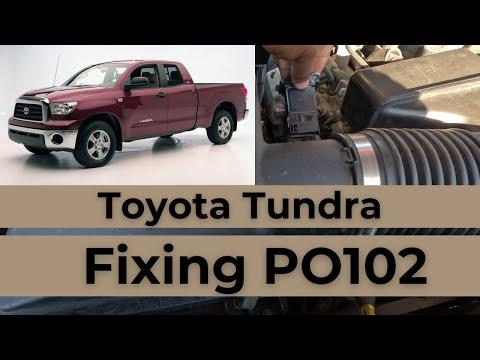





How to Replace the MAF Sensor on a 2016 Toyota Tundra
Step-by-step instructions with tools, parts, torque specs, and safety tips for 2005, 2006, 2007, 2008, 2009
How to Replace the MAF Sensor on a 2016 Toyota Tundra
Step-by-step instructions with tools, parts, torque specs, and safety tips for 2005, 2006, 2007, 2008, 2009


🔧 Mass Air Flow Sensor - Replacement
Your MAF sensor measures incoming air so the engine can calculate fuel delivery. If it is dirty or failing, you may see rough idle, hesitation, poor fuel economy, or a check engine light. Replacing it is a straightforward job on your Tundra if you work carefully around the intake tube and electrical connector.
Difficulty Level: Beginner | Estimated Time: 0.5-1 hour
⚠️ Safety & Precautions
- Turn the ignition off and let the engine cool before starting.
- Disconnect the negative battery terminal to prevent a fault code or accidental short. A battery disconnect is recommended.
- Do not touch the MAF sensing element with your fingers.
- Keep dirt, tools, and oil away from the intake opening.
- Handle the new sensor by the housing only.
🔧 Required Tools
You'll need the following tools for this repair:
- 10mm socket
- Ratchet
- Extension
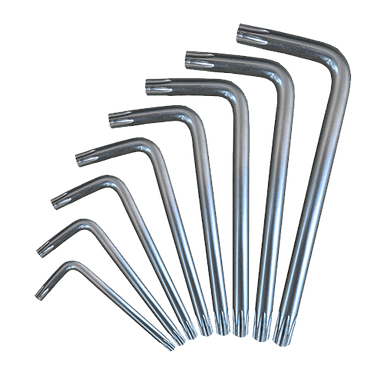
- Security Torx T20 driver
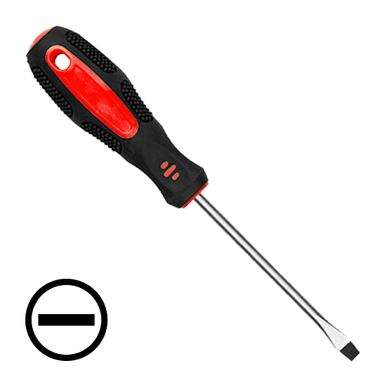
- Flathead screwdriver
- Trim tool
- Gloves
- Safety glasses
🔩 Required Parts
HowToo sells all the parts you need for this repair:
- Mass air flow sensor - Qty: 1
- MAF sensor O-ring or seal - Qty: 1
📋 Before You Begin
- Park on level ground and set the parking brake.
- Let the engine and intake duct cool down if the truck was recently driven.
- Disconnect the negative battery cable using a 10mm socket.
- Take a quick photo before unplugging anything.
🔨 Step-by-Step Instructions
Follow these steps in order:
Step 1: Disconnect the battery
- Use a 10mm socket to loosen the negative battery terminal.
- Move the cable aside so it cannot spring back and touch the post.
Step 2: Access the MAF sensor
- Open the hood and locate the air intake tube between the air cleaner box and throttle body.
- If the engine cover is in the way, lift it off by hand.
Step 3: Unplug the sensor
- Press the release tab on the MAF electrical connector and unplug it.
- If the tab is stiff, use a trim tool to help release it gently.
Step 4: Remove the sensor
- Use a Security Torx T20 driver to remove the two retaining screws.
- Lift the sensor straight out of the housing.
- Inspect the seal and housing for dirt or damage.
Step 5: Install the new sensor
- Place the new MAF sensor into the housing in the same direction as the old one.
- Install the screws by hand first, then tighten with the Security Torx T20 driver.
- Torque to 3 Nm (27 in-lbs).
- Do not overtighten the screws.
Step 6: Reconnect the intake and battery
- Reconnect the electrical connector until it clicks.
- If you loosened the intake tube clamps, tighten them with a Flathead screwdriver.
- Reconnect the negative battery cable with a 10mm socket.
Step 7: Verify the repair
- Start the engine and let it idle.
- Check for a steady idle and make sure the check engine light stays off.
- Test drive the truck and confirm throttle response is normal.
✅ After Repair
- If a check engine light was on, clear the code with a scan tool if it does not go out on its own after a few drive cycles.
- Listen for any intake leaks around the air tube and sensor area.
- If idle still feels rough, inspect the air filter and intake boots for gaps or cracks.
💰 DIY vs Shop Cost
Shop Cost: $180-$350 (parts + labor)
DIY Cost: $60-$160 (parts only)
You Save: $120-$190 by doing it yourself!
Shop labor rates vary but typically run $100-$150/hour. This repair takes a shop approximately 0.5-1 hour.
🎯 Ready to get started?
HowToo makes it easy: same-day/2-day shipping on every part, plus all the tools and specialty tools you need! Check out the parts and tools sections below to add everything to your cart.