









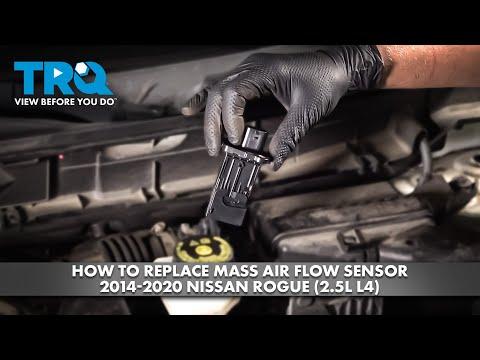





How to Replace the MAF Sensor on a 2014-2016 Nissan Rogue 2.5L (Engine: Inline 4 2.5L)
Step-by-step DIY guide with tools, parts list, torque specs, safety tips, and post-install relearn steps
How to Replace the MAF Sensor on a 2014-2016 Nissan Rogue 2.5L (Engine: Inline 4 2.5L)
Step-by-step DIY guide with tools, parts list, torque specs, safety tips, and post-install relearn steps for 2014, 2015, 2016


🔧 Rogue - Mass Air Flow Sensor Replacement
The mass air flow (MAF) sensor on your Rogue measures how much air enters the engine so the computer can adjust fuel correctly. When it fails, you can get rough idle, poor mileage, or a check engine light. You’ll remove the old sensor from the air intake tube and install a new one carefully to avoid air leaks or damage.
Difficulty Level: Beginner | Estimated Time: 0.5–1 hour
⚠️ Safety & Precautions
- 🛑 Always work with the engine off and completely cool to avoid burns.
- 🛑 Disconnect the negative battery terminal to prevent electrical shorts and accidental check engine lights.
- 🛑 Do not touch the tiny sensing wire inside the MAF sensor; it is very fragile.
- 🛑 Keep dirt out of the air intake opening while the sensor is removed.
- 🛑 Only use dedicated MAF cleaner if you ever clean a MAF; never use carb or brake cleaner.
🔧 Required Tools
You'll need the following tools for this repair:
- 🧰 10mm socket
- 🧰 1/4" drive ratchet
- 🧰 1/4" drive inch-pound torque wrench (20–80 in-lb range)
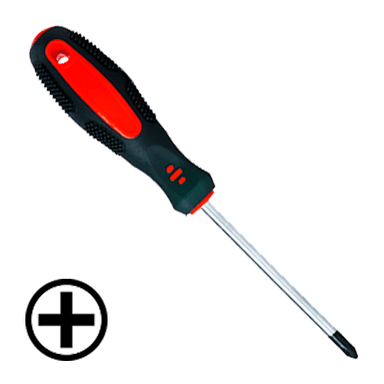
- 🧰 Short Phillips screwdriver
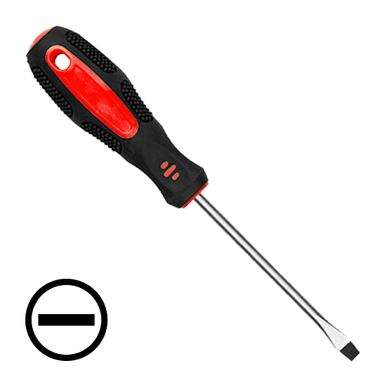
- 🧰 Flathead screwdriver (small)
- 🧰 Needle-nose pliers
- 🧰 Shop rag or clean microfiber cloth
- 🧰 Mechanic gloves
- 🧰 Safety glasses
🔩 Required Parts
HowToo sells all the parts you need for this repair:
- 🔩 Mass air flow (MAF) sensor (QR25 2.5L specific) - Qty: 1
- 🔩 MAF sensor O-ring / gasket - Qty: 1
- 🔩 Battery terminal protector spray - Qty: 1 (optional)
- 🔩 Mass air flow sensor cleaner spray - Qty: 1 (optional, for future maintenance)
📋 Before You Begin
- Park your Rogue on level ground, shift to Park, and set the parking brake.
- Open the hood and support it securely with the hood prop rod.
- Locate the battery on the left side of the engine bay and the air intake tube and air filter box on the right side.
- Plan to keep the engine off for at least 10–15 minutes after disconnecting the battery so the computer powers down fully.
🔨 Step-by-Step Instructions
Follow these steps in order:
Step 1: Disconnect the negative battery cable
- Put on your mechanic gloves and safety glasses.
- Use the 10mm socket and 1/4" drive ratchet to loosen the nut on the negative (black, “–”) battery terminal.
- Wiggle the terminal off the battery post and move it aside so it cannot spring back into contact.
- If needed, wrap the terminal with a shop rag so it stays isolated.
Step 2: Locate the MAF sensor
- Stand in front of the vehicle and look at the air filter box on the right (passenger) side.
- Follow the large black intake tube that runs from the air filter box toward the engine.
- The MAF sensor is the small rectangular plastic piece mounted on the air filter box outlet or just after it, with a wiring connector plugged in.
- Look for a small plug with 4–5 wires going to it.
Step 3: Unplug the MAF sensor connector
- Use a flathead screwdriver (small) if needed to gently lift the locking tab on the electrical connector.
- While holding the tab up, pull the connector straight off the sensor body. Do not pull on the wires.
- If the tab feels stuck, you can use needle-nose pliers to carefully press the release tab, then pull the connector.
- Inspect the connector for corrosion or bent pins; wipe lightly with a shop rag if dusty.
Step 4: Remove the old MAF sensor
- On this engine, the MAF is usually held by two small Phillips screws into the airbox or intake duct.
- Use a short Phillips screwdriver to loosen and remove the two mounting screws. Keep them in a safe place; you will reuse them.
- Gently pull the MAF sensor straight out from the housing. Do not twist hard; it should slide out with a little wiggle.
- Place the old sensor on a clean surface, sensing end facing up so it doesn’t pick up dirt.
Step 5: Inspect and clean the mounting area
- Look into the opening where the MAF sensor was installed. Make sure there is no loose dust, leaves, or debris.
- Use a shop rag to gently wipe around the sealing surface on the airbox/intake tube.
- If there is heavy dirt at the opening, you can very lightly blow it away or wipe it, but do not let dirt fall into the intake tube.
- Keeping this area clean helps the new sensor seal well.
Step 6: Transfer or install the new O-ring
- The MAF sensor uses a rubber O-ring to seal air; air leaks here can cause problems.
- If your new sensor came with an O-ring, use that one and remove the old O-ring from the intake housing if it is stuck there.
- Use your needle-nose pliers gently if the old O-ring is hard to grab.
- Lightly seat the new O-ring on the new MAF sensor where the old one was located, ensuring it sits flat and not twisted.
Step 7: Install the new MAF sensor
- Align the new MAF sensor with the mounting opening exactly as the old one was oriented (connector side pointing in the same direction).
- Slide the sensor straight into the opening, making sure the O-ring stays in place and does not pinch.
- Reinstall the two original mounting screws by hand using the short Phillips screwdriver. Turn them in gently until they just seat.
- Now use your inch-pound torque wrench with a suitable Phillips bit (if compatible) to tighten each screw to 3 Nm (27 in-lb). If you cannot attach the torque wrench, tighten them snug by hand—just firm, not hard—to avoid cracking the plastic.
- Even tightness on both screws helps prevent air leaks.
Step 8: Reconnect the MAF electrical connector
- Take the wiring connector and align it with the plug on the new MAF sensor.
- Push it straight on until you feel or hear a click from the locking tab.
- Gently tug the connector to confirm it is locked and will not pull off easily.
Step 9: Reconnect the battery
- Return to the battery and remove the shop rag from around the negative terminal if you used one.
- Slide the negative cable clamp back onto the negative battery post.
- Use the 10mm socket and 1/4" drive ratchet to tighten the terminal nut until the clamp is snug and does not move when you twist it by hand.
- If you have battery terminal protector spray, apply a light coating now.
Step 10: Let the engine idle so it can relearn
- Start the engine and let it idle in Park for about 5–10 minutes with all accessories off (A/C, lights, radio).
- The engine computer may need a short time to “relearn” the new MAF sensor’s readings.
- During this time, listen for any unusual noises and check that the engine idles smoothly.
- If idle is rough at first, give it a few minutes.
✅ After Repair
- Take a short test drive with gentle acceleration, a mix of city and light highway speeds.
- Confirm that any previous check engine light is off; if it remains on, you may need to clear codes with an OBD2 scanner or have a shop do it.
- Check under the hood afterward to make sure the MAF connector is still fully seated and that the air intake tube and box are closed correctly.
- Over the next few drives, monitor fuel economy and engine response; both should be normal or improved.
💰 DIY vs Shop Cost
Shop Cost: $220–$350 (parts + labor)
DIY Cost: $80–$150 (parts only)
You Save: $140–$200 by doing it yourself!
Shop labor rates vary but typically run $100–$150/hour. This repair takes a shop approximately 0.5–0.8 hours.
🎯 Ready to get started?
HowToo makes it easy: same-day/2-day shipping on every part, plus all the tools and specialty tools you need! Check out the parts and tools sections above to add everything to your cart.
Guide for Mass Air Flow Sensor replace for these Nissan vehicles
| Year Make Model | Sub Model | Engine | Body Style |
|---|---|---|---|
| 2016 Nissan Rogue | - | Inline 4 2.5L | - |
| 2015 Nissan Rogue | - | Inline 4 2.5L | - |
| 2014 Nissan Rogue | - | Inline 4 2.5L | - |