














How to Replace the MAF Sensor on a 2013-2017 Toyota RAV4 (Engine: Inline 4 2.5L)
Step-by-step 2014 RAV4 Mass Air Flow sensor replacement with tools, parts list, safety tips, and DIY cost savings
How to Replace the MAF Sensor on a 2013-2017 Toyota RAV4 (Engine: Inline 4 2.5L)
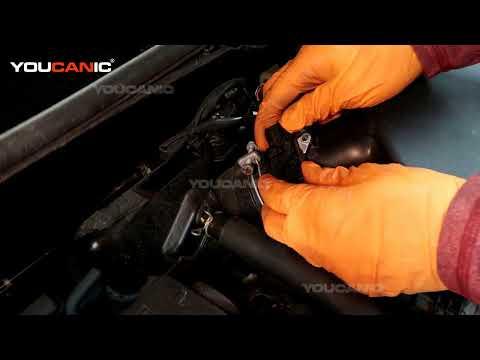
Step-by-step 2014 RAV4 Mass Air Flow sensor replacement with tools, parts list, safety tips, and DIY cost savings for 2013, 2014, 2015, 2016, 2017


🔧 RAV4 - Mass Air Flow (MAF) Sensor Replacement
The MAF sensor measures how much air enters your engine so the computer can adjust fuel correctly. When it fails, you can get rough idle, poor fuel economy, or a check-engine light. You’ll remove the old sensor from the air intake tube, install a new one, and make sure everything is sealed correctly.
Difficulty Level: Beginner | Estimated Time: 0.5–1 hour
⚠️ Safety & Precautions
- ⚠️ Work on a cool engine; hot parts can burn you.
- ⚠️ Turn the ignition OFF and keep the key away from the car while working under the hood.
- ⚠️ Avoid touching the tiny sensor wire or element on the MAF; it is very fragile.
- ⚠️ If you disconnect the battery, you may lose radio presets and trip data.
- ⚠️ Keep dirt and debris out of the open air intake to protect the engine.
🔧 Required Tools
You'll need the following tools for this repair:
- 🛠️ 10mm socket
- 🛠️ 1/4" drive ratchet
- 🛠️ 1/4" drive extension (3–6")
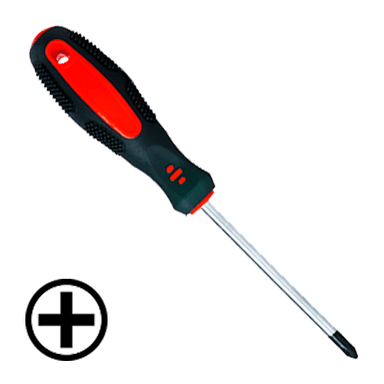
- 🛠️ Phillips #2 screwdriver
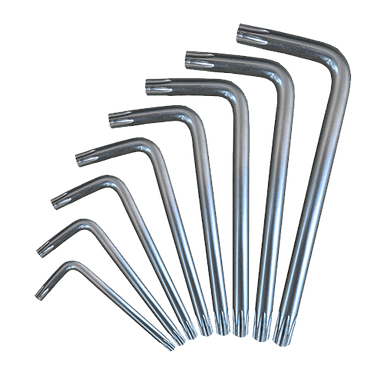
- 🛠️ Torx T20 screwdriver
- 🛠️ Small flathead screwdriver
- 🛠️ Needle-nose pliers
- 🛠️ Shop rag or clean cloth
- 🛠️ Mechanic gloves
- 🛠️ Safety glasses
🔩 Required Parts
HowToo sells all the parts you need for this repair:
- 🔩 Mass air flow (MAF) sensor - Qty: 1
- 🔩 MAF sensor O-ring or gasket - Qty: 1 (if not included with sensor)
- 🔩 Dielectric grease (for electrical connectors) - Qty: small tube (optional)
- 🔩 Throttle body/MAF-safe intake cleaner - Qty: 1 can (optional, DO NOT spray new MAF)
- 🔩 Disposable nitrile gloves - Qty: 1 pair
📋 Before You Begin
- Park your RAV4 on level ground, shift to Park, and set the parking brake.
- Open the hood and secure it with the hood prop rod.
- Battery disconnect is optional: if you prefer, loosen the negative terminal nut with the 10mm socket and remove the negative cable to prevent any chance of short or accidental start.
- Make sure you have the correct replacement MAF sensor that matches your engine type.
🔨 Step-by-Step Instructions
Follow these steps in order:
Step 1: Locate the MAF sensor
- Open the hood and stand at the front of your RAV4.
- Find the air filter box on the driver’s side of the engine bay. It’s the black plastic box with a large intake hose going toward the engine.
- Look along that hose, right at or just after the air filter box lid: the MAF sensor is a small plastic unit bolted into the intake tube with an electrical connector on top.
Step 2: Disconnect the battery (optional but recommended)
- Use the 10mm socket and ratchet to loosen the negative battery terminal nut.
- Lift the negative cable off the battery post and tuck it aside so it cannot spring back.
- This helps avoid accidental shorts and can clear stored trims.
Step 3: Unplug the MAF sensor connector
- Locate the electrical plug on top of the MAF sensor.
- Press down on the locking tab with your thumb or a small flathead screwdriver if it’s stiff.
- While holding the tab down, gently pull the connector straight off the sensor.
- If stuck, wiggle slightly while pulling; do not yank on the wires. Use needle-nose pliers on the plastic plug only if needed.
Step 4: Remove the MAF sensor mounting screws
- Inspect the two small screws or bolts holding the MAF sensor to the air intake housing.
- On many RAV4s, they are either Phillips screws or Torx screws.
- If they have a cross shape, use the Phillips #2 screwdriver to remove them.
- If they have a star shape, use the Torx T20 screwdriver to remove them.
- Set the screws aside in a safe place so you don’t lose them.
- Do not drop screws into the intake opening.
Step 5: Remove the old MAF sensor
- Gently pull the MAF sensor straight out of the air intake housing.
- If it feels stuck, wiggle it gently while pulling; do not twist aggressively.
- Look for a rubber O-ring or gasket on the sensor body; make sure it comes out with the sensor or note its position in the housing.
- Immediately cover the open hole in the intake housing with a shop rag or clean cloth to keep dirt out.
Step 6: Prepare the new MAF sensor
- Unbox the new MAF sensor and compare it to the old one. The plastic shape, connector, and mounting holes should match.
- If your new sensor includes a new O-ring or gasket, use the new one and remove the old one from the housing or old sensor.
- If reusing the old O-ring, inspect it for cracks or flattening. Replace if damaged.
- Optional: Apply a tiny amount of dielectric grease to the inside of the electrical connector rubber seal (not on the metal pins) to help keep moisture out.
Step 7: Install the new MAF sensor
- Remove the shop rag or clean cloth from the intake opening.
- Carefully insert the new MAF sensor into the opening, aligning it the same way the old one was installed. The airflow arrow (if marked) should point toward the engine.
- Make sure the O-ring or gasket seats evenly all around and is not pinched.
- Install the mounting screws by hand to avoid cross-threading.
- Tighten the screws with the Phillips #2 screwdriver or Torx T20 screwdriver until they are snug.
- Do NOT overtighten. These are small screws in plastic; stop as soon as they are firmly seated. Just snug, not “muscle tight.”
Step 8: Reconnect the MAF sensor connector
- Align the electrical connector with the sensor port.
- Push it straight on until you feel or hear a click from the locking tab.
- Gently tug the connector to make sure it is locked in place.
Step 9: Reconnect the battery (if you removed it)
- Place the negative battery cable back on the negative battery post.
- Use the 10mm socket and ratchet to tighten the terminal nut until snug.
- Do not overtighten; just ensure the terminal does not move when you twist it by hand.
Step 10: Final checks under the hood
- Inspect the area around the MAF sensor to make sure the sensor is seated flat and the screws are snug.
- Check that the large intake hose and air filter box clamps are still tight and fully seated. If any clamps are loose, tighten them with the Phillips #2 screwdriver.
- Remove any tools and rags from the engine bay.
✅ After Repair
- Start the engine and let it idle for a few minutes. It may idle slightly rough for a short time while the computer relearns; it should smooth out.
- Check for any warning lights on the dashboard. If the check engine light remains on, you may need an OBD-II scan tool to clear old codes. If the same code returns, double-check the connector and installation.
- Listen for any hissing sounds (which could mean an air leak around the intake or MAF mounting area).
- Take a short test drive, gently accelerating and decelerating. Make sure power feels normal and there are no new noises.
- If the battery was disconnected, reset your clock and radio presets.
💰 DIY vs Shop Cost
Shop Cost: $180–$320 (parts + labor)
DIY Cost: $60–$140 (parts only)
You Save: $120–$180 by doing it yourself!
Shop labor rates vary but typically run $100–$150/hour. This repair takes a shop approximately 0.5–0.8 hours.
🎯 Ready to get started?
HowToo makes it easy: same-day/2-day shipping on every part, plus all the tools and specialty tools you need! Check out the parts and tools sections below to add everything to your cart.
Guide for Mass Air Flow Sensor replace for these Toyota vehicles
| Year Make Model | Sub Model | Engine | Body Style |
|---|---|---|---|
| 2017 Toyota RAV4 | - | Inline 4 2.5L | - |
| 2016 Toyota RAV4 | - | Inline 4 2.5L | - |
| 2015 Toyota RAV4 | - | Inline 4 2.5L | - |
| 2014 Toyota RAV4 | - | Inline 4 2.5L | - |
| 2013 Toyota RAV4 | - | Inline 4 2.5L | - |