














How to Replace the MAF Sensor on a 2012-2017 Chevrolet Equinox (Engine: V6 3.6L)
Step-by-step DIY MAF sensor replacement with tools, parts list, torque specs, safety tips, and post-repair checks
How to Replace the MAF Sensor on a 2012-2017 Chevrolet Equinox (Engine: V6 3.6L)
Step-by-step DIY MAF sensor replacement with tools, parts list, torque specs, safety tips, and post-repair checks for 2012, 2013, 2014, 2015, 2016, 2017


🔧 Equinox - Mass Air Flow (MAF) Sensor Replacement
The MAF sensor measures how much air goes into your engine so the computer can mix fuel correctly. When it fails, you may get poor mileage, rough running, or a check-engine light. You’ll remove the old sensor from the air intake tube and install a new one.
Difficulty Level: Beginner | Estimated Time: 0.5–1 hour
⚠️ Safety & Precautions
- 🔸Always work with the engine off and completely cool to avoid burns.
- 🔸Disconnect the battery negative terminal to avoid short circuits and accidental sensor damage.
- 🔸Do not touch the tiny sensing elements inside the MAF; skin oils or dirt can ruin a new sensor.
- 🔸Keep tools and loose items out of the engine bay so nothing falls into the air intake.
🔧 Required Tools
You'll need the following tools for this repair:
- 🔸10mm socket
- 🔸1/4" drive ratchet
- 🔸1/4" drive extension (3–6")
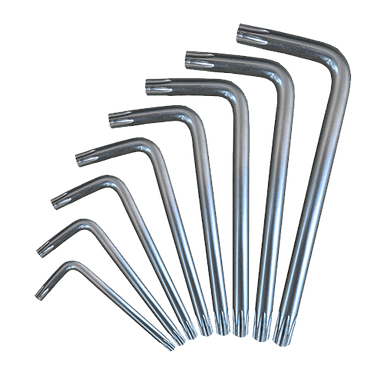
- 🔸Torx T20 screwdriver
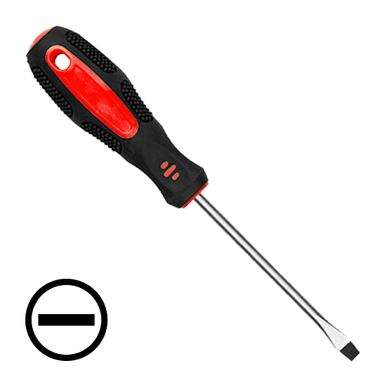
- 🔸Flathead screwdriver (small)
- 🔸Needle-nose pliers
- 🔸Digital multimeter (optional)
- 🔸OBD2 code reader (optional)
- 🔸Mechanic’s gloves
- 🔸Safety glasses
- 🔸Shop rag or clean microfiber cloth
🔩 Required Parts
HowToo sells all the parts you need for this repair:
- 🔸Mass air flow (MAF) sensor - Qty: 1
- 🔸MAF sensor O-ring or gasket - Qty: 1 (if not included with sensor)
- 🔸Dielectric grease (sensor-safe) - Qty: small tube (optional)
- 🔸MAF sensor cleaner spray - Qty: 1 can (optional, for cleaning connector or housing only)
📋 Before You Begin
- 🔸Park your Equinox on level ground, set the parking brake, and place the transmission in Park.
- 🔸Open the hood and secure it with the hood prop rod.
- 🔸Locate the battery negative terminal (black cable) and loosen it with the 10mm socket, then remove it from the post and tuck it aside.
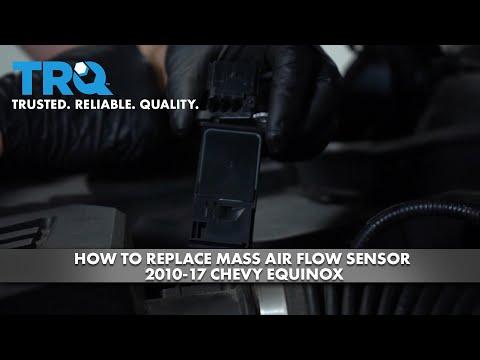
- 🔸Identify the MAF sensor: it is mounted in the air intake duct between the air filter box and the throttle body, with a wiring connector attached.
🔨 Step-by-Step Instructions
Follow these steps in order:
Step 1: Locate and inspect the MAF sensor area
- Open the hood and find the big black plastic air tube that runs from the air filter box to the engine.
- About midway along that tube you will see a small rectangular sensor with a plug and wires: that is the MAF sensor.
- Use a shop rag to wipe away loose dirt around the sensor so nothing falls into the intake when you remove it. Keep dirt away from sensor opening
Step 2: Disconnect the MAF electrical connector
- The connector will have a small plastic locking tab. Press the tab down with your thumb or a flathead screwdriver to release it.
- While holding the tab, gently pull the connector straight off the sensor body. Do not pull on the wires.
- If the tab is stubborn, use needle-nose pliers to gently squeeze and release it.
Step 3: Remove the MAF sensor mounting screws
- Locate the two small screws holding the MAF to the air duct.
- Use a Torx T20 screwdriver to turn each screw counterclockwise and remove them.
- Set the screws aside in a safe place; you’ll reuse them unless the new sensor includes new hardware. Magnet tray prevents lost screws
Step 4: Remove the old MAF sensor
- With the screws removed, gently pull the MAF sensor straight up and out of the air duct.
- If it feels stuck, wiggle it slightly while pulling; do not pry hard with tools so you don’t crack the plastic housing.
- Check for an O-ring or rubber gasket on the sensor. If it sticks in the air duct, gently remove it with needle-nose pliers.
Step 5: Prepare the new MAF sensor
- Compare the new sensor to the old one. The shape, connector, and mounting holes should match.
- If the new sensor comes with a new O-ring or gasket, install it on the sensor as shown in its instructions.
- If using dielectric grease, apply a very small amount to the connector’s rubber seal only, not the metal pins.
Step 6: Install the new MAF sensor
- Insert the new MAF sensor into the air duct opening, aligning the mounting holes and orientation marks. The sensing end goes inside the duct.
- Press it in gently by hand until it is fully seated and the O-ring is evenly compressed.
- Reinstall the screws by hand, then tighten them using the Torx T20 screwdriver until snug.
- Torque to 3 Nm (27 in-lbs) if you have a small torque screwdriver; otherwise, make them just gently snug, not over-tightened. Stop as soon as screw seats
Step 7: Reconnect the electrical connector
- Align the electrical connector with the sensor socket and push it straight on until it clicks.
- Gently tug on the connector to confirm it is locked in place.
- Inspect the wiring harness; make sure it is not twisted or rubbing against sharp edges.
Step 8: Reconnect the battery
- Place the battery negative cable back on the negative post.
- Use the 10mm socket and ratchet to tighten the clamp until it is secure; do not overtighten.
- Make sure the cable cannot be twisted by hand on the post.
Step 9: Clear codes (optional but recommended)
- If you have an OBD2 code reader, plug it into the OBD port under the dash.
- Follow the reader’s instructions to read and then clear any stored fault codes related to the MAF.
- If you do not have a scanner, the check engine light may clear on its own after several drive cycles if the issue is fixed.
✅ After Repair
- 🔸Start the engine and let it idle for a few minutes. Listen for smooth idle and watch for any warning lights.
- 🔸Blip the throttle lightly; the engine should respond smoothly without hesitation or stalling.
- 🔸Take a short test drive with gentle acceleration. Confirm normal power and no check engine light.
- 🔸After the drive, open the hood and check that the MAF sensor is still secure and the connector is fully seated.
💰 DIY vs Shop Cost
Shop Cost: $220–$380 (parts + labor)
DIY Cost: $80–$180 (parts only)
You Save: $140–$200 by doing it yourself!
Shop labor rates vary but typically run $100–$150/hour. This repair takes a shop approximately 0.5–1.0 hours.
🎯 Ready to get started?
HowToo makes it easy: same-day/2-day shipping on every part, plus all the tools and specialty tools you need! Check out the parts and tools sections above to add everything to your cart.
Guide for Mass Air Flow Sensor replace for these Chevrolet vehicles
| Year Make Model | Sub Model | Engine | Body Style |
|---|---|---|---|
| 2017 Chevrolet Equinox | - | Inline 4 2.4L | - |
| 2017 Chevrolet Equinox | - | V6 3.6L | - |
| 2016 Chevrolet Equinox | - | Inline 4 2.4L | - |
| 2016 Chevrolet Equinox | - | V6 3.6L | - |
| 2015 Chevrolet Equinox | - | Inline 4 2.4L | - |
| 2015 Chevrolet Equinox | - | V6 3.6L | - |
| 2014 Chevrolet Equinox | - | Inline 4 2.4L | - |
| 2014 Chevrolet Equinox | - | V6 3.6L | - |
| 2013 Chevrolet Equinox | - | Inline 4 2.4L | - |
| 2013 Chevrolet Equinox | - | V6 3.6L | - |
| 2012 Chevrolet Equinox | - | Inline 4 2.4L | - |
| 2012 Chevrolet Equinox | - | V6 3.0L | - |