












How to Replace the MAF Sensor on a 1999-2015 Toyota Tacoma (Engine: Inline 4 2.7L)
Step-by-step mass air flow sensor guide with tools, torque specs, codes, and safety tips
How to Replace the MAF Sensor on a 1999-2015 Toyota Tacoma (Engine: Inline 4 2.7L)
Step-by-step mass air flow sensor guide with tools, torque specs, codes, and safety tips for 1999, 2000, 2001, 2002, 2003, 2004


🔧 Tacoma - Mass Air Flow Sensor Replacement
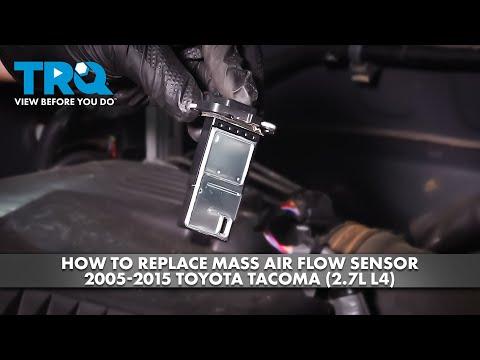
The mass air flow sensor, often called the MAF sensor, measures how much air enters the engine so the engine computer can add the correct amount of fuel. On your Tacoma, it sits in the air intake tube near the air filter housing and is a simple plug-and-screw replacement.
Difficulty Level: Beginner | Estimated Time: 15-30 minutes
⚠️ Safety & Precautions
- ⚠️ Let the engine cool before working near the intake area.
- ⚠️ Turn the ignition fully off and keep the key out of the ignition.
- ⚠️ Do not touch the sensing wires inside the MAF sensor; they are delicate and easily damaged.
- ⚠️ Battery disconnect is not required, but disconnecting the negative battery cable can help clear learned fuel trims after replacement.
- ⚠️ Avoid dropping screws into the engine bay; place a towel under the sensor area if needed.
🔧 Required Tools
You'll need the following tools for this repair:
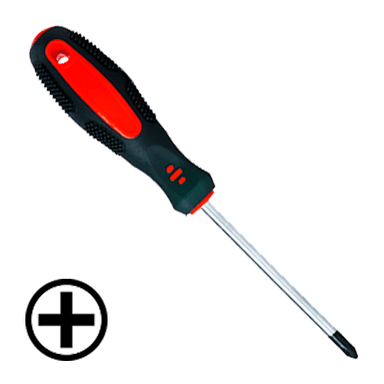
- Phillips #2 screwdriver
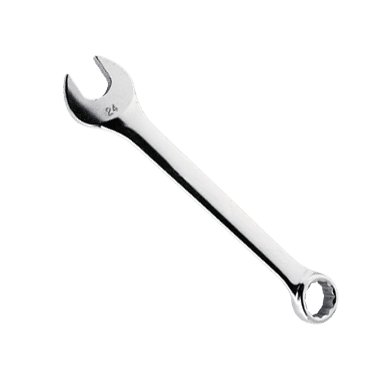
- 10mm wrench
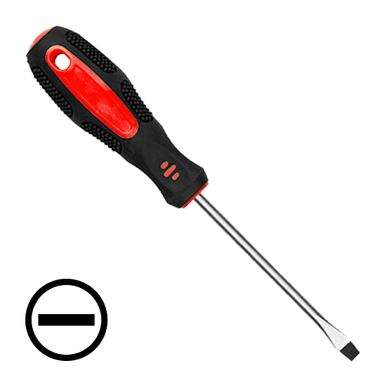
- Small flathead screwdriver
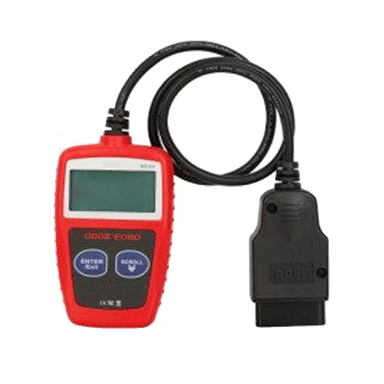
- OBD2 scan tool (specialty)
- Nitrile gloves
- Safety glasses
🔩 Required Parts
HowToo sells all the parts you need for this repair:
- Mass air flow sensor - Qty: 1
📋 Before You Begin
- Park your Tacoma on level ground.
- Shift into neutral, set the parking brake, and turn the ignition off.
- Open the hood and support it securely.
- If disconnecting the battery, use a 10mm wrench to loosen the negative battery terminal and move the cable aside.
- An OBD2 scan tool is a small plug-in device that reads and clears engine trouble codes through the diagnostic port under the dashboard.
🔨 Step-by-Step Instructions
Follow these steps in order:
Step 1: Locate the MAF Sensor
- Use your hands to follow the large black air intake tube from the air filter box toward the engine.
- The MAF sensor is mounted on top of the intake tube near the air filter box.
- Look for a small rectangular sensor with an electrical connector plugged into it.
- Take a phone photo first.
Step 2: Disconnect the Electrical Connector
- Put on safety glasses and nitrile gloves.
- Press the release tab on the MAF sensor connector with your thumb.
- If the tab is stiff, use a small flathead screwdriver gently to help depress the lock.
- Pull the connector straight back by the plastic body, not by the wires.
Step 3: Remove the Old MAF Sensor
- Use a Phillips #2 screwdriver to remove the two MAF sensor retaining screws.
- Hold the sensor with one hand while removing the last screw so it does not fall.
- Lift the MAF sensor straight up and out of the intake tube.
- Do not twist hard or pry against the plastic air tube.
Step 4: Install the New MAF Sensor
- Compare the new mass air flow sensor to the old one to make sure the shape, connector, and mounting holes match.
- Insert the new sensor straight down into the intake tube opening.
- Make sure the rubber sealing area sits flat and even.
- Use a Phillips #2 screwdriver to install the two retaining screws.
- Tighten the screws snug only; do not overtighten plastic parts.
- Torque to approximately 1.5-2.0 Nm (13-18 in-lbs)
Step 5: Reconnect the Electrical Connector
- Push the electrical connector onto the new MAF sensor by hand until it clicks.
- Lightly tug the connector body to confirm it is locked in place.
- If you disconnected the battery, use a 10mm wrench to reinstall the negative battery cable.
- Torque the negative battery terminal nut to 5 Nm (44 in-lbs)
Step 6: Clear Trouble Codes
- Plug the OBD2 scan tool into the diagnostic port under the driver side dashboard.
- Turn the ignition to ON without starting the engine.
- Use the scan tool menu to select Read Codes and record any stored codes.
- Select Clear Codes to erase MAF-related codes such as P0100, P0101, P0102, P0103, or P0104.
- Turn the ignition off and unplug the scan tool.
Step 7: Start and Check Operation
- Start the engine and let it idle for 2-3 minutes.
- Use your eyes and ears to check that the intake tube is seated and there are no hissing air leaks.
- If the idle is slightly uneven at first, let the engine computer relearn for a few minutes.
- Do not rev a cold engine.
✅ After Repair
- ✅ Test drive your Tacoma for 10-15 minutes with gentle acceleration.
- ✅ Make sure the check engine light stays off.
- ✅ Recheck the MAF connector after the test drive to confirm it is fully seated.
- ✅ If the check engine light returns, scan the codes again and inspect the air intake tube for cracks, loose clamps, or an unplugged vacuum hose.
💰 DIY vs Shop Cost
Shop Cost: $180-$350 (parts + labor)
DIY Cost: $70-$180 (parts only)
You Save: $100-$170 by doing it yourself!
Shop labor rates vary but typically run $100-$150/hour. This repair takes a shop approximately 0.3-0.6 hours.
🎯 Ready to get started?
HowToo makes it easy: same-day/2-day shipping on every part, plus all the tools and specialty tools you need! Check out the parts and tools sections below to add everything to your cart.
Guide for Mass Air Flow Sensor replace for these Toyota vehicles
| Year Make Model | Sub Model | Engine | Body Style |
|---|---|---|---|
| 2015 Toyota Tacoma | - | V6 4.0L | - |
| 2014 Toyota Tacoma | - | V6 4.0L | - |
| 2013 Toyota Tacoma | - | V6 4.0L | - |
| 2012 Toyota Tacoma | - | V6 4.0L | - |
| 2011 Toyota Tacoma | - | V6 4.0L | - |
| 2010 Toyota Tacoma | - | V6 4.0L | - |
| 2009 Toyota Tacoma | - | V6 4.0L | - |
| 2008 Toyota Tacoma | - | V6 4.0L | - |
| 2007 Toyota Tacoma | - | V6 4.0L | - |
| 2006 Toyota Tacoma | - | V6 4.0L | - |
| 2005 Toyota Tacoma | - | V6 4.0L | - |
| 2004 Toyota Tacoma | - | V6 3.4L | - |
| 2003 Toyota Tacoma | - | V6 3.4L | - |
| 2002 Toyota Tacoma | - | V6 3.4L | - |
| 2001 Toyota Tacoma | - | V6 3.4L | - |
| 2000 Toyota Tacoma | - | V6 3.4L | - |
| 1999 Toyota Tacoma | - | V6 3.4L | - |