















How to Replace the In-Tank Fuel Pump Module on a 2018 Ram 3500
Step-by-step tank-drop instructions, required tools/parts, safety tips, priming steps, and leak checks for 2013, 2014, 2015, 2016, 2017, 2018
How to Replace the In-Tank Fuel Pump Module on a 2018 Ram 3500
Step-by-step tank-drop instructions, required tools/parts, safety tips, priming steps, and leak checks for 2013, 2014, 2015, 2016, 2017, 2018


🔧 3500 - Fuel Pump Replacement
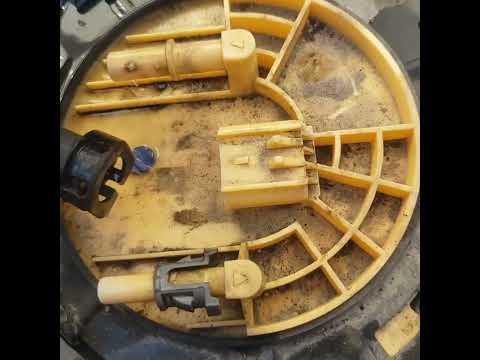
On your 3500, the fuel pump is part of the in-tank fuel pump module (it sits inside the fuel tank). Replacing it usually requires lowering the fuel tank (no easy top access panel from the factory), then swapping the pump module and sealing it correctly to prevent leaks and EVAP/fuel odor issues.
Difficulty Level: Advanced | Estimated Time: 3-6 hours
⚠️ Safety & Precautions
- ⚠️ Work outside or in a very well-ventilated area—gas fumes are highly flammable.
- ⚠️ No smoking, no hot lights, no grinding/sparks near the truck.
- ⚠️ Relieve fuel pressure before disconnecting fuel lines to avoid spray.
- ⚠️ Support the fuel tank with a jack before loosening straps—fuel is heavy.
- ⚠️ Disconnect the negative battery cable to reduce spark risk.
- ⚠️ Clean the top of the tank before opening it—dirt can damage the new pump.
🔧 Required Tools
You'll need the following tools for this repair:
- Safety glasses
- Nitrile gloves
- Fire extinguisher Class B
- Floor jack (rated 3-ton minimum)
- Jack stands (rated 3-ton minimum)
- Wheel chocks
- Drain pan
- Shop rags
- Basic socket set (metric)
- Basic socket set (SAE)
- Ratchet
- Long extension set
- Torque wrench (10–150 ft-lbs)
- Fuel line quick-disconnect tool set (specialty)
- Non-marring trim pick set
- Fuel pump lock ring removal tool (specialty)
- Brass punch
- Dead-blow hammer
🔩 Required Parts
HowToo sells all the parts you need for this repair:
- In-tank fuel pump module assembly - Qty: 1
- Fuel pump module tank seal O-ring - Qty: 1
- Fuel tank strap bolts - Qty: 2 (recommended if corroded)
📋 Before You Begin
- Park on level ground, set the parking brake, and chock the wheels.
- Run the tank as low as possible (under 1/4 tank is ideal).
- Disconnect the negative battery cable using the correct socket/wrench.
- Have a plan to support the tank: a floor jack with a wide wooden block works well.
🔨 Step-by-Step Instructions
Follow these steps in order:
Step 1: Confirm 2 details so I can give exact torque specs and the correct module
- Is your 3500 equipped with a single rear wheel or dual rear wheel (dually) setup?
- What’s the fuel tank size (commonly 31/32/50 gallons) or, if you’re unsure, tell me whether it’s a short bed or long bed?
Step 2: Relieve fuel pressure
- Use a fuel line quick-disconnect tool set (specialty) only after pressure is relieved.
- Because Ram fuel systems can be configured a couple ways, I’ll give you the exact, safest pressure-relief method once you answer Step 1.
Step 3: Raise and support the truck
- Use a floor jack (rated 3-ton minimum) to lift at the proper frame lift points.
- Set the truck securely on jack stands (rated 3-ton minimum).
Step 4: Support the fuel tank
- Use a floor jack (rated 3-ton minimum) with a wide block to support the tank evenly.
Step 5: Disconnect lines and wiring at the tank
- Use shop rags and a drain pan under the connections.
- Disconnect fuel/EVAP lines using a fuel line quick-disconnect tool set (specialty).
- Disconnect the pump electrical connector using a non-marring trim pick set to release the lock tab.
Step 6: Lower the tank enough to access the pump module
- Loosen/remove the strap hardware using your socket set and ratchet.
- Lower slowly with the floor jack while watching for any lines still attached.
- Lower a little, re-check, then lower more.
Step 7: Remove the fuel pump lock ring and module
- Clean the tank top area using shop rags before opening it.
- Use a fuel pump lock ring removal tool (specialty) to turn the lock ring.
- If needed, use a brass punch and dead-blow hammer carefully on the lock ring tabs (brass reduces spark risk).
- Lift the module out slowly—angle it to avoid bending the float arm.
Step 8: Install the new seal and pump module
- Remove and replace the seal with the new fuel pump module tank seal O-ring.
- Install the new module, aligning the indexing marks.
- Reinstall the lock ring using the fuel pump lock ring removal tool (specialty).
- Once you answer Step 1, I’ll provide the exact: Torque to XX Nm (YY ft-lbs) for the lock ring and tank straps (varies by configuration).
Step 9: Reinstall the tank and reconnect everything
- Raise the tank with the floor jack.
- Reconnect lines using the fuel line quick-disconnect tool set (specialty) and ensure each connector “clicks”.
- Tighten strap hardware using a torque wrench (10–150 ft-lbs) to the correct spec after you answer Step 1.
Step 10: Prime the system and check for leaks
- Reconnect the battery using your socket set.
- Cycle the key ON for 3 seconds, OFF for 10 seconds, repeat 3 times (this primes the pump).
- Start the engine and inspect all connections for seepage.
✅ After Repair
- Verify no fuel smell and no visible leaks with the engine running.
- Road test, then recheck for leaks again after the drive.
- If you get a check engine light (EVAP/fuel), recheck line connections and the module seal seating.
💰 DIY vs Shop Cost
Shop Cost: $900-$1,800 (parts + labor)
DIY Cost: $350-$900 (parts only)
You Save: $550-$900 by doing it yourself!
Shop labor rates vary but typically run $100-$150/hour. This repair takes a shop approximately 3-6 hours.
🎯 Ready to get started?
HowToo makes it easy: same-day/2-day shipping on every part, plus all the tools and specialty tools you need! Check out the parts and tools sections below to add everything to your cart.