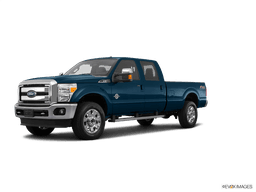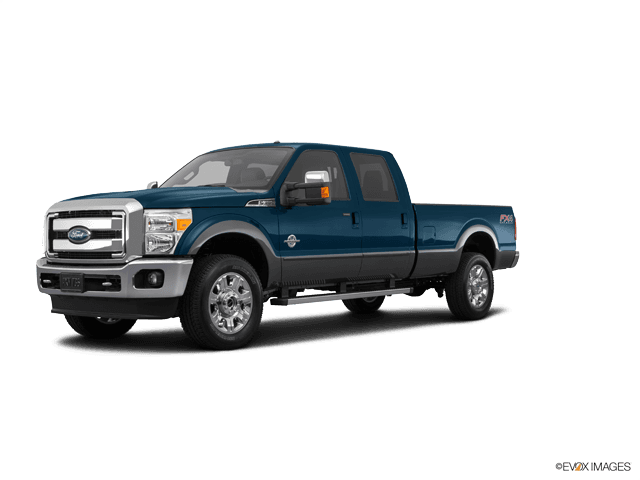









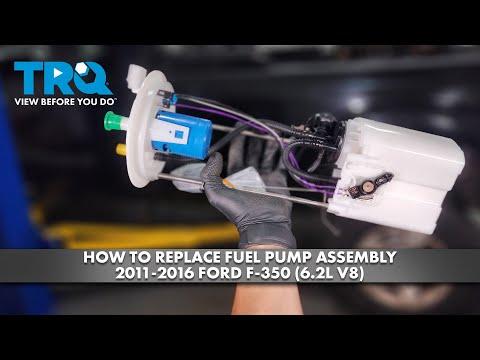







How to Replace the In-Tank Fuel Pump Module on a 2016 Ford F-350 Super Duty
Step-by-step tank drop instructions with required tools, parts list, safety tips, and leak-check guidance for 2011, 2012, 2013, 2014, 2015, 2016
How to Replace the In-Tank Fuel Pump Module on a 2016 Ford F-350 Super Duty
Step-by-step tank drop instructions with required tools, parts list, safety tips, and leak-check guidance for 2011, 2012, 2013, 2014, 2015, 2016


🔧 Fuel Pump Module - Replacement
On your F-350, the fuel pump is part of an in-tank fuel pump module. The job is mainly lowering the fuel tank safely, swapping the module and seal, then reinstalling everything without causing leaks.
Difficulty Level: Advanced | Estimated Time: 3-6 hours
⚠️ Safety & Precautions
- 🧯 Work outside (or very well ventilated); no flames/sparks/smoking.
- 🧤 Fuel is flammable and irritating; wear gloves and safety glasses.
- ⚡ Disconnect the negative battery cable to prevent accidental sparks.
- 🛻 Support the truck on jack stands; never rely on a floor jack alone.
- 🔥 Let the exhaust cool completely before starting.
- ⛽ Lower the tank with as little fuel as possible; a full tank is extremely heavy.
🔧 Required Tools
You'll need the following tools for this repair:
- Safety glasses
- Nitrile gloves
- Fire extinguisher Class B
- Floor jack (rated 3-ton minimum)
- Jack stands (rated 3-ton minimum)
- Wheel chocks
- Socket set (8mm–21mm)
- Ratchet (3/8")
- Breaker bar (1/2")
- Torque wrench (10–200 ft-lbs)
- Flat trim/panel tool
- Pick set
- Fuel line quick-disconnect tool set (specialty)
- Hose clamp pliers
- Drain pan (fuel-safe)
- Transmission jack (specialty)
- Fuel pump lock ring removal tool (specialty)
- Shop rags
- Non-sparking brass punch (specialty)
- Rubber mallet
- Flashlight
🔩 Required Parts
HowToo sells all the parts you need for this repair:
- Fuel pump module assembly (in-tank) - Qty: 1
- Fuel pump module tank seal/O-ring - Qty: 1
- Fuel pump lock ring - Qty: 1
- Fuel line retaining clips - Qty: 1 kit
- Worm gear hose clamps (assorted sizes) - Qty: 1 kit
📋 Before You Begin
- 🧭 Park on level ground, set the parking brake, and chock the front wheels.
- ⛽ Drive the tank as low as possible (ideally under 1/4 tank).
- 📦 Have a clear place to set the fuel tank down safely.
- 🧠 A “quick-disconnect tool” releases spring-lock fuel fittings.
🔨 Step-by-Step Instructions
Follow these steps in order:
Step 1: Relieve fuel system pressure
- Open the hood and remove the under-hood fuse/relay box cover using a flat trim/panel tool.
- Remove the fuel pump relay using a pick set (gently pry if needed).
- Start the engine and let it run until it stalls. Crank 2–3 seconds more to bleed off remaining pressure.
- Turn the key OFF.
Step 2: Disconnect the battery
- Disconnect the negative battery cable using a 10mm socket and ratchet.
Step 3: Raise and support the truck
- Lift the rear of the truck with a floor jack (rated 3-ton minimum).
- Set the frame securely on jack stands (rated 3-ton minimum).
Step 4: Support the fuel tank
- Position a transmission jack (specialty) under the fuel tank.
- Use a piece of wood (if available) between the jack and tank to spread the load.
Step 5: Disconnect the filler neck and vent hoses
- At the filler neck area, loosen hose clamps using an 8mm socket and ratchet (or use hose clamp pliers if spring clamps are present).
- Carefully twist and pull the filler and vent hoses off. Twist first—don’t just yank.
- Place a drain pan (fuel-safe) under the area and keep shop rags ready for drips.
Step 6: Disconnect electrical connectors and EVAP lines
- Unplug the fuel pump module electrical connector(s) using a flat trim/panel tool to release locking tabs if needed.
- Disconnect EVAP/vapor lines using the fuel line quick-disconnect tool set (specialty) if equipped with quick-connect style fittings.
Step 7: Disconnect fuel supply line(s)
- Clean dirt around the fuel line connection using shop rags so debris doesn’t enter the line.
- Separate the fuel line(s) using the correct size from the fuel line quick-disconnect tool set (specialty).
- Cap/cover open lines with a clean rag to keep dirt out.
Step 8: Remove tank shields/straps and lower the tank
- If equipped with a shield, remove it using a socket set (8mm–21mm) and ratchet.
- Remove the fuel tank strap bolts using a breaker bar (1/2") and appropriate socket set (8mm–21mm).
- Slowly lower the tank a few inches with the transmission jack (specialty).
- Pause and check for any remaining hoses/wires; disconnect as needed before lowering fully.
- Torque note (assumption): Tank strap bolt torque varies by configuration; if you don’t have Ford SI, torque strap bolts to a firm seat with a torque wrench (10–200 ft-lbs) and recheck after a short drive for looseness.
Step 9: Remove the fuel pump module from the tank
- With the tank on the ground/jack, brush/wipe the top of the tank clean using shop rags (keep dirt out of the tank).
- Remove the lock ring using a fuel pump lock ring removal tool (specialty).
- If needed, tap the ring carefully using a non-sparking brass punch (specialty) and rubber mallet.
- Lift the module straight up. Angle it as needed to clear the float arm (fuel level sender).
- Remove and discard the old seal/O-ring using a pick set.
Step 10: Install the new module and seal
- Install the new seal/O-ring in the tank groove (do not reuse the old one).
- Lower the new fuel pump module into the tank carefully, avoiding bending the float arm.
- Install the lock ring and tighten using the fuel pump lock ring removal tool (specialty) until fully seated/locked.
Step 11: Reinstall the tank
- Raise the tank into position using the transmission jack (specialty).
- Reconnect fuel line(s) until you hear/feel a solid “click.” Gently tug to confirm locked.
- Reconnect EVAP lines and electrical connector(s) until fully seated.
- Reconnect filler neck/vent hoses and tighten clamps using an 8mm socket and ratchet (or hose clamp pliers for spring clamps).
- Reinstall tank straps and shields using the socket set (8mm–21mm), ratchet, and torque wrench (10–200 ft-lbs).
Step 12: Restore power and prime the system
- Reinstall the fuel pump relay in the under-hood fuse/relay box by hand.
- Reconnect the negative battery cable using a 10mm socket and ratchet.
- Cycle the key to ON (engine OFF) for 5 seconds, then OFF. Repeat 3–4 times to prime the system.
✅ After Repair
- 🕵️ With key ON, inspect under the truck for any fuel seepage at lines, tank seal area, and filler neck.
- 🔑 Start the engine and let it idle 1–2 minutes; recheck for leaks.
- 🚗 Test drive 5–10 minutes, then recheck once more for leaks and fuel smell.
- 📟 If a check engine light appears, a loose EVAP line is common—recheck connections.
💰 DIY vs Shop Cost
Shop Cost: $900-$1,800 (parts + labor)
DIY Cost: $250-$900 (parts only)
You Save: $650-$900 by doing it yourself!
Shop labor rates vary but typically run $100-$150/hour. This repair takes a shop approximately 3-5 hours.
🎯 Ready to get started?
HowToo makes it easy: same-day/2-day shipping on every part, plus all the tools and specialty tools you need! Check out the parts and tools sections below to add everything to your cart.