















How to Replace the In-Tank Fuel Pump Module on a 2016 Acura TLX
Step-by-step instructions with required tools/parts, safety tips, and key torque specs
How to Replace the In-Tank Fuel Pump Module on a 2016 Acura TLX
Step-by-step instructions with required tools/parts, safety tips, and key torque specs


🔧 TLX - Fuel Pump Replacement
This job replaces the in-tank (low-pressure) fuel pump module, which supplies fuel to the engine. On your TLX, the pump is mounted in the fuel tank and is typically accessed from inside the car under the rear seat area.
Difficulty Level: Intermediate | Estimated Time: 2-4 hours
Assumption: This is the in-tank fuel pump module, not the engine-driven high-pressure pump.
⚠️ Safety & Precautions
- ⚠️ Work outside or in strong ventilation; fuel fumes ignite easily.
- ⚠️ No smoking, flames, heat guns, or incandescent work lights near the car.
- ⚠️ Relieve fuel pressure before opening any fuel line to prevent fuel spray.
- ⚠️ Disconnect the negative battery cable to reduce spark risk.
- ⚠️ Keep a Class B fire extinguisher nearby and wipe spills immediately.
- ⚠️ Only use non-sparking tools around the fuel tank opening when possible.
🔧 Required Tools
You'll need the following tools for this repair:
- 10mm socket
- 3/8" drive ratchet
- 6" extension (3/8" drive)
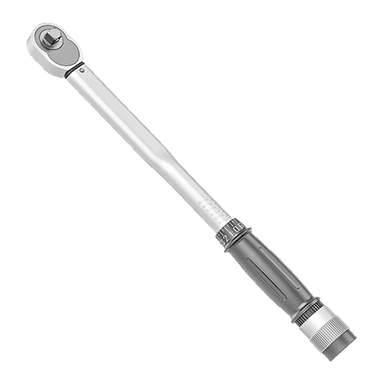
- Torque wrench (in-lb or small Nm range)
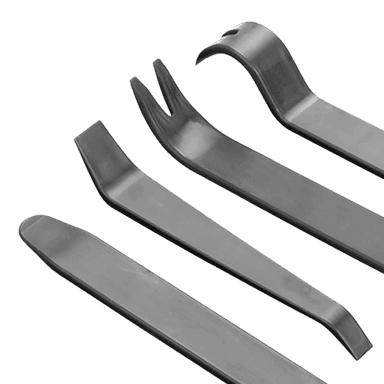
- Trim removal tool (plastic pry tool)
- Flat-head screwdriver
- Needle-nose pliers
- Fuel line quick-disconnect tool set (specialty)
- Brass punch (non-sparking)
- Small hammer
- Shop towels
- Catch pan
- Handheld vacuum
- Nitrile gloves
- Safety glasses
🔩 Required Parts
HowToo sells all the parts you need for this repair:
- In-tank fuel pump module assembly - Qty: 1
- Fuel pump module tank seal (O-ring/gasket) - Qty: 1
- Fuel pump strainer (sock filter) - Qty: 1
- Lock ring (if damaged or corroded) - Qty: 1
- Dielectric grease (small packet) - Qty: 1
📋 Before You Begin
- Park on level ground, shift to Park, and set the parking brake.
- Open the fuel door and loosen the gas cap to reduce tank vapor pressure.
- Relieve fuel pressure: remove the fuel pump fuse/relay and crank/run until it stalls, then crank 3 more seconds.
- Disconnect the battery: use a 10mm socket to remove the negative terminal and isolate it.
- Cleanliness matters: vacuum dirt around the access area so nothing falls into the tank.
🔨 Step-by-Step Instructions
Follow these steps in order:
Step 1: Relieve fuel pressure safely
- Use a flat-head screwdriver to open the under-hood fuse/relay box cover.
- Pull the fuel pump fuse/relay using needle-nose pliers, then start the engine and let it run until it stalls.
- Crank the engine for 3 more seconds to bleed off remaining pressure.
- Turn the ignition OFF and remove the key/fob from the cabin.
Step 2: Disconnect the battery
- Use a 10mm socket and 3/8" ratchet to loosen the negative battery terminal.
- Move the cable aside so it cannot spring back onto the post.
Step 3: Access the fuel pump service opening
- Remove the rear seat bottom cushion using a trim removal tool (release the front clips, then lift out).
- Locate the round/oval fuel pump access cover on the floor area.
- Use a trim removal tool or flat-head screwdriver to lift the access cover (some covers use butyl sealer).
- Use a handheld vacuum to remove dust and debris around the pump module.
Step 4: Disconnect wiring and fuel lines
- Unplug the pump electrical connector; press the lock tab and pull straight off.
- Place shop towels under the fuel line connections and keep a catch pan nearby.
- Disconnect the quick-connect fuel line(s) using the fuel line quick-disconnect tool set (specialty).
- Tip: Pull the line straight—don’t twist hard.
Step 5: Remove the pump lock ring
- Mark the pump module’s installed direction (alignment marks) using a flat-head screwdriver as a pointer reference.
- Use a brass punch and small hammer to tap the lock ring counterclockwise until it releases.
- Lift off the lock ring and set it aside.
Step 6: Remove the fuel pump module
- Carefully lift the module upward; angle it as needed to clear the float arm (fuel level sender).
- Let fuel drain from the module into the tank opening for a moment, then move the module to the catch pan.
- Remove the old tank seal (O-ring/gasket) from the tank opening using a trim removal tool.
Step 7: Install the new seal and pump module
- Install the new fuel pump module tank seal (O-ring/gasket) into the tank groove.
- Apply a very light film of clean fuel (or a tiny amount of dielectric grease on the connector only) to help assembly; do not pack grease into the seal area.
- Lower the new pump module into the tank, guiding the float arm in without bending it.
- Align the module to your reference marks so the lines and connector point the correct way.
Step 8: Reinstall the lock ring
- Install the lock ring by hand first to avoid cross-threading/incorrect seating.
- Use a brass punch and small hammer to tap the lock ring clockwise until fully seated at its stop/marks.
- Torque to 68 N·m (50 ft-lbs) if your lock ring design supports torque measurement; otherwise tighten to the factory stop/marks.
Step 9: Reconnect fuel lines and wiring
- Reconnect the fuel line(s) until you hear/feel a solid click.
- Gently tug the line(s) by hand to confirm they are locked.
- Reconnect the electrical connector until it clicks.
Step 10: Close up the access cover and reinstall the seat
- Reinstall the access cover; press it down firmly (replace sealing material if it no longer sticks).
- Reinstall the rear seat bottom cushion and push down to latch the front clips.
Step 11: Restore power and prime the fuel system
- Reconnect the negative battery cable using a 10mm socket.
- Torque to 5 N·m (44 in-lbs).
- Reinstall the fuel pump fuse/relay using needle-nose pliers.
- Turn ignition ON (do not start) for 5 seconds, then OFF for 5 seconds; repeat 3 times to prime the system.
✅ After Repair
- Start the engine and let it idle for 1-2 minutes.
- Check carefully for leaks at the pump top and fuel line connection (use a flashlight, not an open flame).
- If you smell raw fuel inside the cabin, shut the engine off and re-check the lock ring seating and seal.
- Test drive 10-15 minutes, then re-check for fuel odor or dampness under the rear seat area.
💰 DIY vs Shop Cost
Shop Cost: $900-$1,600 (parts + labor)
DIY Cost: $250-$650 (parts only)
You Save: $650-$950 by doing it yourself!
Shop labor rates vary but typically run $100-$150/hour. This repair takes a shop approximately 2-4 hours.
🎯 Ready to get started?
HowToo makes it easy: same-day/2-day shipping on every part, plus all the tools and specialty tools you need! Check out the parts and tools sections below to add everything to your cart.