














How to Replace the Fuel Pump on a 2022 Toyota Highlander
Step-by-step DIY in-tank fuel pump module replacement with tools, parts list, safety tips, torque specs, and cost savings for 2017, 2018, 2019, 2020, 2021, 2022
How to Replace the Fuel Pump on a 2022 Toyota Highlander
Step-by-step DIY in-tank fuel pump module replacement with tools, parts list, safety tips, torque specs, and cost savings for 2017, 2018, 2019, 2020, 2021, 2022


🔧 Highlander - Fuel Pump Replacement
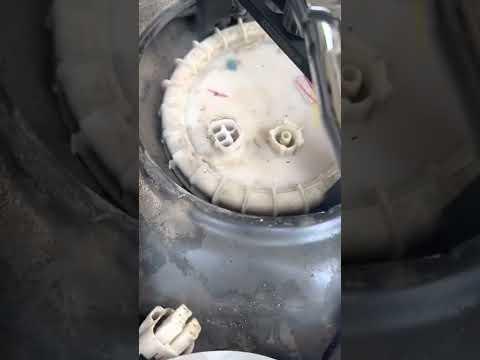
You’ll be replacing the in-tank electric fuel pump assembly, which sits inside the fuel tank under the rear seat. This restores proper fuel pressure if your pump has failed or is weak.
Difficulty Level: Advanced | Estimated Time: 3-5 hours
⚠️ Safety & Precautions
- 🔥 Fuel is highly flammable; work in a well-ventilated area away from sparks, flames, or cigarettes.
- ⚡ Always disconnect the negative battery cable before working on the fuel system.
- 💨 Relieve fuel pressure before opening any fuel lines to avoid high-pressure spray.
- 😷 Avoid breathing fuel vapors; work with doors/windows open and consider a simple dust mask.
- 🧯 Keep a suitable fire extinguisher nearby rated for flammable liquids.
- 🧼 Cleanliness is critical; dirt in the tank or connections can damage the new pump.
🔧 Required Tools
You'll need the following tools for this repair:
- 10mm socket
- 12mm socket
- 1/4" drive ratchet
- 3/8" drive ratchet
- 3/8" drive torque wrench (5–60 ft-lbs range)
- Small extension (3")
- Trim removal tool (plastic)
- Flathead screwdriver (small)
- Phillips screwdriver
- Fuel line disconnect pliers (specialty)
- Fuel pump retaining ring tool (Toyota style) (specialty)
- Needle-nose pliers
- Shop rags
- Plastic scraper
- Drain pan or fuel-safe container
- Hand vacuum pump or siphon pump
- Multimeter
- Flashlight or work light (explosion-proof if possible)
- Safety glasses
- Nitrile gloves
🔩 Required Parts
HowToo sells all the parts you need for this repair:
- Complete fuel pump module assembly (in-tank) - Qty: 1
- Fuel pump module seal/gasket - Qty: 1
- Fuel pump retaining ring (lock ring) - Qty: 1 (recommended)
- Fuel line O-rings - Qty: 2–4 (replace any removed)
- Electrical connector terminal repair kit - Qty: 1 (if existing connector is heat-damaged)
- Fuel system cleaner (optional) - Qty: 1
- Shop towels - Qty: 1 pack
📋 Before You Begin
- Park the Highlander on level ground, shift to Park, and set the parking brake.
- Ideally work with the fuel tank at or below 1/4 full to reduce spillage.
- Open all doors or rear hatch for ventilation.
- Turn ignition OFF and remove the key or keep the key fob away from the vehicle.
- Disconnect the negative battery terminal using a 10mm socket and move the cable aside.
- Have plenty of shop rags ready to catch any fuel drips.
🔨 Step-by-Step Instructions
Follow these steps in order:
Step 1: Relieve fuel system pressure
- Re-connect the negative battery cable briefly using a 10mm socket so you can start the engine for this step.
- Locate the fuse/relay box under the hood; find the fuel pump relay/fuse according to the cover diagram.
- Remove the fuel pump relay/fuse using needle-nose pliers or by hand.
- Start the engine and let it run until it stalls, which relieves pressure.
- Crank for a few seconds more to release remaining pressure, then turn ignition OFF.
- Disconnect the negative battery terminal again with the 10mm socket and set it aside.
Step 2: Access the fuel pump under the rear seat
- Fold and move the second-row seats forward to gain access to the rear floor area.
- Remove the rear seat cushion over the pump access (usually right side of the vehicle):
- Locate front seat cushion clips and pull upward firmly with your hands.
- If needed, use a trim removal tool to gently release plastic clips.
- Lift the seat cushion out of the way and set it aside carefully.
- Locate the metal access cover on the floor above the fuel tank.
- Remove the screws holding the cover using a Phillips screwdriver or 10mm socket depending on fastener type.
- Lift the access cover to expose the top of the fuel pump module.
Step 3: Clean area and disconnect electrical connector
- Use shop rags to wipe dust and dirt from around the pump top.
- If available, lightly blow away dust (do not use high-pressure air indoors).
- Locate the main electrical connector on the pump module.
- Press the tab and disconnect the connector by hand; if tight, gently assist with a flathead screwdriver.
- Inspect for any melted or burnt pins; if present, plan to use the electrical connector terminal repair kit.
Step 4: Disconnect fuel lines
- Place shop rags around the fuel line connections to absorb drips.
- Most lines use quick-connect fittings: squeeze the plastic tabs and pull the line off the fitting.
- If they are stubborn, use fuel line disconnect pliers to release them.
- Cap or plug the open lines if possible to keep dirt out.
- Wipe any spilled fuel immediately with shop rags.
Step 5: Remove the retaining ring
- The pump module is held by a plastic or metal lock ring.
- Use the fuel pump retaining ring tool (specialty) with your 3/8" drive ratchet to turn the ring counterclockwise.
- If you do not have the special tool, you can gently tap the ring tabs using a flathead screwdriver and a small mallet, but this is less safe and can damage the ring.
- Once loose, remove the ring and set it aside; replace it if worn or damaged.
Step 6: Remove the fuel pump module
- Carefully lift the pump module straight up by hand.
- Be gentle; the fuel level float arm and filter sock hang below the module.
- Angle the unit slightly as needed to clear the tank opening without forcing it.
- Let excess fuel drain from the module into a drain pan or fuel-safe container.
- Remove and discard the old seal/gasket from the tank opening using a plastic scraper if it is stuck.
Step 7: Inspect tank opening and clean
- Use a flashlight to inspect the tank opening area.
- Do not drop anything into the tank.
- Wipe the sealing surface around the opening with clean shop rags.
- Keep sealing surface perfectly clean and smooth.
Step 8: Prepare the new fuel pump module
- Compare the new module with the old one to confirm matching shape, ports, and connector.
- Install the new filter sock onto the new pump if it comes separately, using needle-nose pliers gently on the clip if needed.
- Install the new seal/gasket on the tank opening or around the pump flange, depending on design.
Step 9: Install the new fuel pump module
- Carefully lower the new pump module into the tank by hand.
- Guide the float arm and filter sock through the opening without bending them.
- Align the marks or tabs on the pump flange with those on the tank (Toyota usually has alignment marks).
- Ensure the gasket stays flat and is not pinched.
Step 10: Install and torque the retaining ring
- Position the lock ring over the pump module flange.
- Use the fuel pump retaining ring tool (specialty) with a 3/8" drive ratchet to tighten the ring clockwise.
- Typical Toyota spec is around Torque to 68–78 Nm (50–58 ft-lbs) for a metal ring; if your service info shows a different value, use that number.
- Make sure the ring is fully seated and evenly tightened.
Step 11: Reconnect fuel lines and electrical connector
- Install new O-rings on fuel line fittings if your setup uses them.
- Push each fuel line onto its correct port until you hear/feel a click.
- Gently tug each line by hand to confirm it is locked.
- Reconnect the main electrical connector by hand until it clicks.
Step 12: Reinstall access cover and seat cushion
- Place the access cover back over the pump opening.
- Install and tighten its screws with a Phillips screwdriver or 10mm socket. Torque to 3–5 Nm (27–44 in-lbs) if using bolts.
- Reinstall the rear seat cushion, aligning front hooks/clips and pressing down firmly until they click into place.
Step 13: Reconnect battery and prime the fuel system
- Reconnect the negative battery cable using a 10mm socket. Torque to 5–7 Nm (44–62 in-lbs).
- Reinstall the fuel pump relay/fuse into the relay box by hand.
- Turn ignition to ON (engine off) for about 5–10 seconds to let the pump prime the system, then switch OFF.
- Repeat this ignition ON/OFF cycle 3–4 times to fully pressurize the lines.
Step 14: Start engine and check for leaks
- Start the engine normally.
- Let it idle for several minutes while you listen for abnormal noises from the tank area.
- Check around the pump area and under the vehicle for any fuel smell or visible leaks.
- If you see or smell fuel, shut off immediately.
✅ After Repair
- Test drive the Highlander at low speeds first, checking for smooth acceleration and no hesitation.
- Monitor the fuel gauge to ensure it reads normally.
- After the test drive, recheck the pump area for any seepage or fuel odor.
- If a check engine light appears, scan for codes related to the fuel system; recheck connectors and lines.
💰 DIY vs Shop Cost
Shop Cost: $800–$1,300 (parts + labor)
DIY Cost: $250–$500 (parts only)
You Save: $550–$800 by doing it yourself!
Shop labor rates typically run $100–$150/hour. This repair takes a shop approximately 2–3 hours.
🎯 Ready to get started?
HowToo makes it easy: same-day/2-day shipping on every part, plus all the tools and specialty tools you need! Check out the parts and tools sections above to add everything to your cart.