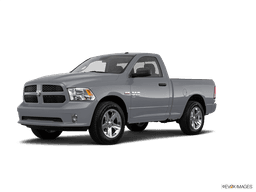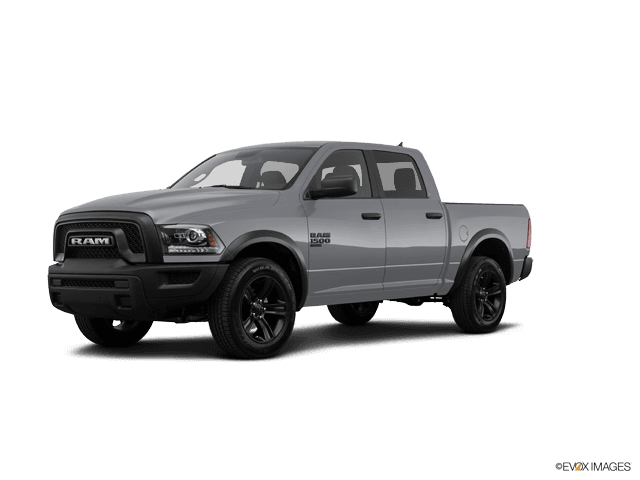















How to Replace the Fuel Pump on a 2022 Ram 1500 Classic
Step-by-step DIY fuel pump module replacement with tools, safety tips, and torque specs for your 2022 Ram 1500 Classic for 2019, 2020, 2021, 2022
How to Replace the Fuel Pump on a 2022 Ram 1500 Classic
Step-by-step DIY fuel pump module replacement with tools, safety tips, and torque specs for your 2022 Ram 1500 Classic for 2019, 2020, 2021, 2022


1500 Classic - Fuel Pump Replacement ⛽
On your 1500 Classic, the fuel pump is part of the fuel pump module inside the fuel tank. The correct procedure is to lower the tank, remove the module, and install a new one.
First, two quick questions so I can be exact:
- ✅ Are you working at home with just basic hand tools (no lift, just jack and stands)?
- ✅ Is your fuel tank close to full, or under half?
Answer briefly and then follow the guide below — I’ll assume basic tools and no lift unless you say otherwise.
Safety First ⚠️
- 🛑 Work outside or in a very well-ventilated area — fuel vapors are flammable and harmful.
- 🛑 No smoking, no open flames, no grinding/welding nearby.
- 🛑 Disconnect the negative battery cable before touching fuel lines. This prevents sparks and accidental cranking.
- 🛑 Support the truck with jack stands, never rely only on a jack.
- 🛑 Fuel is heavy: 1 gallon ≈ 3.8 L ≈ 2.7 kg. A full tank is very heavy. Try to get the tank as empty as possible before starting.
Tools & Supplies Needed 🧰
- 🔧 Floor jack and jack stands (to safely lift and support the truck).
- 🔧 Transmission jack or a wide wooden board on a floor jack to support the fuel tank.
- 🔧 Socket set:
- Common sizes: 13mm, 15mm, 18mm sockets for tank straps and shields.
- Ratchet and short extensions.
- 🔧 Torx / Allen bits if your skid plate or shields use them (varies by truck).
- 🔧 Fuel line quick-disconnect tools (small plastic tools that release the fuel line clips).
- 🔧 Flat-blade screwdriver and plastic trim tool (for clips and connectors).
- 🔧 Brass drift/punch and small hammer (for the pump lock ring). Brass is used because it doesn’t spark.
- 🧴 Brake cleaner (to clean dirt around the pump before opening the tank).
- 🧴 Shop rags and a small drain pan (to catch any fuel drips).
- 🧴 Safety glasses and fuel-resistant gloves.
- 🧴 New fuel pump module assembly (for 3.6L flex-fuel, 4WD, crew cab — match by year/model/engine).
- 🧴 New pump module seal/O-ring (usually included with the pump; always replace).
Key Torque Specs 🔩
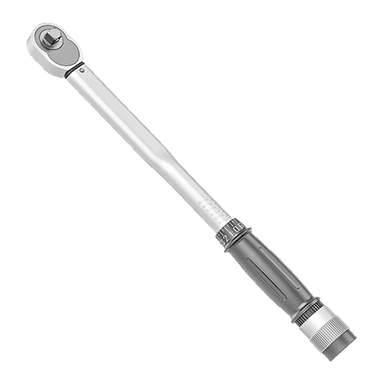
- 🧷 Fuel tank strap bolts: ~ 40–50 N·m (30–37 ft-lb) (Ram spec varies slightly by strap; tighten evenly and firmly, not “gorilla tight”).
- 🧷 Skid plate / shield bolts: typically 20–30 N·m (15–22 ft-lb).
- 🧷 Fuel pump lock ring: tightened until the ring aligns with the marks and fully seats the module; it’s a “clocked” ring, not a torque value.
Step 1 – Depressurize the Fuel System ⬇️
- ⛽ Pull the fuel pump relay or fuse from the underhood fuse box.
- Check the fuse box cover diagram for the fuel pump relay/fuse location.
- ⛽ Start the engine and let it run until it stalls. This uses up the pressure in the fuel lines.
- ⛽ Crank it again for a few seconds to make sure it won’t start.
- ⛽ Turn the key off and remove it.
- ⛽ Disconnect the negative battery cable (10mm) and secure it away from the terminal.
Step 2 – Raise and Support the Truck 🛠️
- 🛞 Park on level ground, set the parking brake, and chock the front wheels (blocks behind tires).
- 🛞 Use the floor jack under the rear axle to lift the rear of the truck.
- 🛞 Place jack stands under the frame rails on both sides and gently lower the truck onto them.
- 🛞 Give the truck a shake to confirm it’s stable.
Step 3 – Access the Fuel Tank (Shields & Hoses) 🔍
- 🛡️ If equipped, remove the fuel tank skid plate or shield:
- Use the appropriate sockets (often 13mm or 15mm).
- Set bolts and plate aside in order.
- 🛡️ Locate the fuel filler neck where it meets the tank:
- Loosen the hose clamp (flat screwdriver or 8mm socket).
- Gently twist and pull the filler hose off the tank neck.
- 🛡️ Disconnect any vent hoses and EVAP lines at the tank:
- These often have plastic quick-connects; press the tabs and pull straight off.
- Do not pry hard; if it doesn’t release, you may be pressing the wrong side.
Step 4 – Support and Lower the Fuel Tank 🧱
- 📦 Place a transmission jack or floor jack with a wide board under the center of the tank to spread the load.
- 📦 Slightly raise the jack to just support the tank’s weight.
- 📦 Remove the fuel tank strap bolts (usually 15mm or 18mm):
- There are typically two straps; remove bolts while the jack supports the tank.
- 📦 Slowly lower the tank a few inches, just enough to reach the top connections.
- 📦 Do not drop it fully yet — wiring and fuel lines are still attached.
Step 5 – Disconnect Fuel Lines & Electrical Connectors 🔌
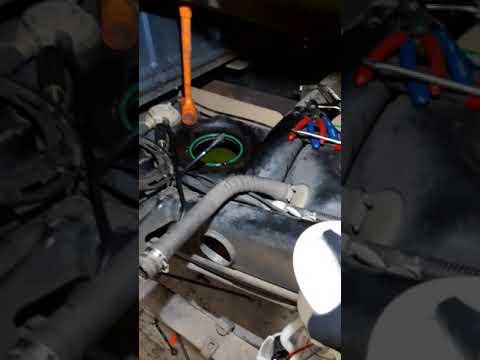
- 🔌 On top of the tank, locate the fuel pump module (round plastic top with lines and a connector).
- 🔌 Disconnect the electrical connector:
- Press the locking tab and pull straight off.
- 🔌 Disconnect the fuel supply line and any return/EVAP lines:
- Use the fuel line quick-disconnect tool to release the internal spring clip.
- Slide the tool into the fitting, push the line in slightly, then pull it off.
- Have a rag ready for small fuel drips.
- 🔌 Once all lines and connectors are free, lower the tank fully and slide it out from under the truck.
Step 6 – Remove the Fuel Pump Module 🧽
- 🧽 Clean the area around the pump module with brake cleaner and rags so dirt doesn’t fall into the tank.
- 🧽 Note the orientation marks on the pump and tank (often arrows or notches). Take a photo for reference.
- 🧽 The pump is held by a lock ring:
- Use a brass drift/punch and hammer.
- Tap the ring counterclockwise to unlock it.
- Do not use steel chisels; they can spark.
- 🧽 Lift the lock ring off and remove the old O-ring seal.
- 🧽 Carefully lift the pump module straight up:
- Angle it slightly to clear the float arm and strainer.
- Let excess fuel drain back into the tank.
Step 7 – Install the New Fuel Pump Module 🆕
- 🆕 Wipe the tank sealing surface clean; it must be smooth and free of debris.
- 🆕 Install the new O-ring seal into the groove on the tank.
- 🆕 Position the new pump module:
- Align it with the same orientation as the old one (use your photo/marks).
- Carefully lower it into the tank, guiding the float and strainer.
- 🆕 Install the lock ring:
- Place it over the pump and start it by hand.
- Tap it clockwise with the brass drift until it fully seats and aligns with the original marks.
Step 8 – Reinstall the Fuel Tank 🔁
- 🔁 Slide the tank back under the truck and position it on the jack.
- 🔁 Raise it slowly until you can reach the top connections.
- 🔁 Reconnect:
- Electrical connector to the pump module.
- Fuel supply line and any return/EVAP lines (push until you hear/feel a click).
- 🔁 Raise the tank fully into place.
- 🔁 Install the tank straps and bolts:
- Snug both straps first, then torque to about 40–50 N·m (30–37 ft-lb).
- 🔁 Reconnect the filler neck hose and vent hoses:
- Slide the hose fully onto the neck and tighten the clamp securely.
- 🔁 Reinstall any skid plates or shields and tighten their bolts (about 20–30 N·m).
Step 9 – Reconnect Battery & Prime the System 🔄
- 🔋 Reinstall the fuel pump relay/fuse.
- 🔋 Reconnect the negative battery cable and tighten the 10mm nut.
- 🔋 Turn the key to ON (run) for 5 seconds (do not crank), then back to OFF. Repeat 3–4 times to prime the fuel system (build pressure).
- 🔋 Now crank the engine. It may crank a bit longer the first time, then should start and idle normally.
- 🔋 Check under the truck for any fuel leaks around the tank and lines.
Step 10 – Final Checks ✅
- ✅ Clear any fuel smell by letting the truck run outside for a few minutes.
- ✅ Verify the fuel gauge reads reasonably (it may take a moment to stabilize).
- ✅ Take a short test drive and recheck for leaks afterward.
Cost & Tips 💡
- 💡 A shop would typically charge 4–5 hours labor + parts for this job, which can be quite expensive. Doing it yourself saves a lot if you work carefully.
- 💡 If your tank is very full, consider driving until it’s near 1/4 before starting, or siphon some fuel out safely.
- 💡 Take photos at each step (hose routing, connectors, strap positions). They’re very helpful during reassembly.
If you tell me how full your tank is and what tools you have (jack, stands, etc.), I can tailor this to your exact setup and help you pick the correct pump module part number for your 3.6L flex-fuel 4WD.
HowToo makes it easy: same-day/2-day shipping on every part, plus all the tools and specialty tools you need! You can view compatible fuel pump modules, quick-disconnect tools, jacks, and safety gear in the parts section and add them to your cart from there.