









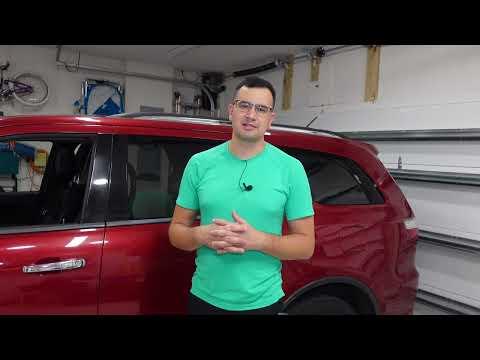






How to Replace the Fuel Pump on a 2022 Jeep Grand Cherokee WK
Step-by-step DIY fuel pump module replacement with tools, parts list, safety tips, and torque specs for 2022
How to Replace the Fuel Pump on a 2022 Jeep Grand Cherokee WK
Step-by-step DIY fuel pump module replacement with tools, parts list, safety tips, and torque specs for 2022


🔧 Grand Cherokee WK - Fuel Pump Module Replacement
You’ll be replacing the in-tank fuel pump module, which requires safely lowering the fuel tank and swapping the pump assembly on top of the tank. This restores proper fuel pressure if the pump has failed or is noisy and causing driveability issues.
Difficulty Level: Advanced | Estimated Time: 4–6 hours
⚠️ Safety & Precautions
- ⚠️ Work away from open flames, sparks, heaters, or smoking—gasoline vapors are extremely flammable.
- ⚠️ Disconnect the negative battery terminal before opening the fuel system to avoid accidental sparks.
- ⚠️ Fuel tanks are heavy, even when partly full. Always support the tank with a floor jack and use jack stands for the vehicle.
- ⚠️ Wear safety glasses and fuel-resistant gloves. Gasoline can irritate skin and eyes.
- ⚠️ Work in a well-ventilated area; avoid breathing fuel vapors.
- ⚠️ Relieve fuel system pressure before disconnecting any fuel lines to reduce spray risk.
- ⚠️ Keep a Class B or multi-purpose fire extinguisher nearby.
🔧 Required Tools
You'll need the following tools for this repair:
- 🛠️ Floor jack (rated 3-ton minimum)
- 🛠️ Jack stands (rated 3-ton, set of 4)
- 🛠️ Wheel chocks
- 🛠️ 10mm socket
- 🛠️ 13mm socket
- 🛠️ 15mm socket
- 🛠️ 1/4" drive ratchet
- 🛠️ 3/8" drive ratchet
- 🛠️ 3/8" drive torque wrench (10–80 ft-lbs range)
- 🛠️ Short socket extension (3")
- 🛠️ Flathead screwdriver (medium)
- 🛠️ Phillips screwdriver
- 🛠️ Trim removal tool set (plastic)
- 🛠️ Fuel line quick-disconnect tool set (specialty)
- 🛠️ Fuel pump lock ring tool (specialty)
- 🛠️ Needle-nose pliers
- 🛠️ Pry bar (small)
- 🛠️ Drain pan (fuel safe, at least 10L)
- 🛠️ Shop rags
- 🛠️ Safety glasses
- 🛠️ Nitrile gloves or fuel-resistant gloves
- 🛠️ Work light or headlamp
- 🛠️ OBD2 scan tool (basic)
🔩 Required Parts
HowToo sells all the parts you need for this repair:
- 🔩 Fuel pump module assembly (in-tank, flex-fuel compatible) - Qty: 1
- 🔩 Fuel pump module sealing gasket/O-ring - Qty: 1
- 🔩 Fuel pump lock ring - Qty: 1 (recommended if original is corroded)
- 🔩 Fuel tank strap bolts (hardware kit) - Qty: 1 set (recommended)
- 🔩 Fuel-resistant hose clamps (for filler/vent hoses if damaged) - Qty: 2–4
- 🔩 Electrical contact cleaner spray - Qty: 1
- 🔩 Shop towels or absorbent pads - Qty: 1 pack
📋 Before You Begin
- 📝 Try to run the fuel level down to 1/4 tank or less. Less fuel = much lighter tank
- 📝 Park the Grand Cherokee on level ground, set the parking brake, and chock the rear wheels.
- 📝 Turn ignition OFF, remove the key, and open the hood.
- 📝 Disconnect the negative battery cable using a 10mm socket and move it aside so it cannot touch the terminal.
- 📝 Relieve fuel pressure:
- Locate the fuel pump fuse or relay in the under-hood fuse box (check lid diagram).
- Remove the fuse/relay, then start the engine and let it run until it stalls.
- Crank for a few more seconds to relieve remaining pressure, then turn ignition OFF.
- 📝 A “fuel line quick-disconnect tool” is a small plastic/metal tool that slides into the fuel fitting to release internal locking tabs.
- 📝 A “fuel pump lock ring tool” engages the tabs on the ring so you can safely turn it without using a hammer and screwdriver.
🔨 Step-by-Step Instructions
Follow these steps in order:
Step 1: Raise and support the vehicle
- Use the floor jack under the rear jacking points to lift the rear of the Grand Cherokee.
- Place jack stands under the rear frame or approved lift points; lower the vehicle gently onto the stands.
- Keep the floor jack under the center of the fuel tank with light pressure as an extra support.
- Never work under a vehicle supported only by a jack
Step 2: Remove any shields or covers
- Inspect under the vehicle for plastic or metal shields covering the fuel tank.
- Use a 10mm socket or 13mm socket and ratchet to remove shield bolts or screws.
- Use the trim removal tool to release any plastic clips and lower the shield out of the way.
Step 3: Disconnect the filler neck and vent hoses
- Locate the large filler hose and smaller vent hose at the rear/top side of the tank, where they come from the fuel filler area.
- Use a flathead screwdriver to loosen the clamps on the filler and vent hoses.
- Gently twist and pull the hoses off the tank necks. Use needle-nose pliers if needed for spring clamps.
- Have a drain pan and shop rags ready for any small fuel drips.
Step 4: Disconnect fuel lines and electrical connectors at the tank
- At the front/side of the tank, locate the fuel lines and the electrical connector going to the fuel pump module on top of the tank.
- Use your fuel line quick-disconnect tool set:
- Slide the correct size tool into the fitting.
- Push the fitting and tool together, then pull the line off.
- Press the locking tab on the pump electrical connector and pull it straight off. Use a flathead screwdriver gently if the tab is stubborn.
- Spray electrical contact cleaner lightly if the connector looks dirty or corroded.
Step 5: Support the fuel tank
- Center the floor jack under the fuel tank with a block of wood on the jack pad to spread the load.
- Raise the jack slightly until it firmly supports the tank but does not lift the vehicle off the stands.
- Make sure the tank is stable before loosening straps
Step 6: Remove fuel tank straps
- Locate the metal straps holding the tank up to the body (usually 2 straps).
- Use a 15mm socket, extension, and 3/8" ratchet to remove the strap bolts at the rear ends.
- Slowly lower each strap out of its front hook or mount and set the straps aside.
- If bolts are rusty, work them out slowly; apply penetrating oil beforehand if needed.
Step 7: Lower the fuel tank
- Very slowly lower the floor jack to drop the tank a few inches.
- Watch carefully for any remaining hoses, wires, or lines that might still be attached. If you see any, stop and disconnect them using the correct tools.
- Once everything is free, continue lowering the jack until the tank is fully down and you can slide it out from under the vehicle.
- Ask someone to help guide the tank if possible
Step 8: Clean around the fuel pump module
- The fuel pump module is on top of the tank, held in by a round metal or plastic lock ring.
- Use shop rags to wipe away dirt and dust from around the pump area.
- You can blow light compressed air if available, but avoid blowing dirt into the opening area.
- Cleanliness here prevents debris entering the tank
Step 9: Remove the fuel pump lock ring
- Fit your fuel pump lock ring tool onto the lock ring tabs.
- Use a 3/8" ratchet or small pry bar with the tool to rotate the ring counterclockwise.
- Carefully lift the lock ring off and inspect it; replace if bent or corroded.
- Do not use a hammer and chisel near fuel vapors
Step 10: Remove the old fuel pump module
- Gently lift the pump module straight up from the tank opening.
- There will be a float arm (for the fuel gauge) attached; tilt the module slightly as you remove it so you don’t bend the arm.
- Allow fuel to drain from the module into the tank for a few seconds, then place the old pump into a drain pan.
- Remove the old rubber sealing gasket/O-ring from the tank opening and discard it.
Step 11: Install the new pump and gasket
- Wipe the gasket seating surface on the tank clean with a shop rag.
- Place the new fuel pump sealing gasket/O-ring into the groove around the opening.
- Carefully lower the new pump module into the tank:
- Guide the float arm in first without bending it.
- Align the locating marks or tabs on the pump flange with the marks on the tank (if present).
- Make sure the pump sits flat on the gasket all the way around.
Step 12: Reinstall the lock ring
- Place the lock ring over the pump flange and engage it with the tank tabs.
- Use the fuel pump lock ring tool and 3/8" ratchet to rotate the ring clockwise until it fully locks into place.
- Most lock rings are tightened by alignment marks rather than torque, but aim for firmly seated with no gap between ring and tank.
- If new ring is included, always use the new one
Step 13: Reinstall and raise the fuel tank
- Slide the fuel tank back under the vehicle and position the floor jack with wood block under its center.
- Slowly jack the tank up, guiding it into place but stopping when it’s a few inches below final position.
- Reconnect any electrical connectors and fuel lines on top/front of the tank now, using the quick-disconnect tools as needed until they click in place.
- Continue lifting the tank close to the body, making sure no hoses are pinched.
Step 14: Reinstall fuel tank straps
- Hook the front of each strap into its mount point.
- Raise the tank the rest of the way with the floor jack so the rear strap ends line up with their bolt holes.
- Install the strap bolts by hand first to avoid cross-threading.
- Use a 15mm socket and 3/8" ratchet to snug both strap bolts.
- Then torque strap bolts with a torque wrench to about 54 Nm (40 ft-lbs) unless you have a different spec from a service manual.
Step 15: Reattach filler and vent hoses
- Slide the large filler hose and smaller vent hose back onto their necks on the tank.
- Use a flathead screwdriver to tighten the hose clamps securely.
- If any clamps were damaged, replace them with new fuel-resistant hose clamps and tighten snugly (do not crush the hose).
Step 16: Reinstall shields or covers
- Lift any removed shields back into place under the tank.
- Install bolts or screws with a 10mm socket or 13mm socket and ratchet.
- Press in any plastic clips using the trim removal tool if needed to guide them.
Step 17: Lower the vehicle and reconnect battery
- Raise the vehicle slightly with the floor jack, remove the jack stands, then gently lower the vehicle to the ground.
- Under the hood, reconnect the negative battery cable using a 10mm socket and tighten to about 7 Nm (5 ft-lbs) (snug, not overtight).
Step 18: Prime the fuel system and check for leaks
- Reinstall the fuel pump fuse or relay in the fuse box.
- Turn the ignition to ON (run) without starting the engine and wait 5–10 seconds. You should hear the pump run briefly.
- Turn ignition OFF, then repeat this ON/OFF cycle 3–4 times to fully prime the system.
- Check under the vehicle for any fuel drips or strong fuel smells.
Step 19: Start the engine and clear any codes
- Start the engine and let it idle. It may crank a bit longer on the first start.
- Observe the fuel gauge to make sure it reads reasonably close to what you expect.
- Use your OBD2 scan tool to read and clear any stored fuel system codes.
- Let the engine run for several minutes while you check again for leaks around the tank area.
✅ After Repair
- ✅ Take a short, gentle test drive. Monitor for smooth acceleration, no hesitation, and stable fuel gauge behavior.
- ✅ After the test drive, re-check under the Grand Cherokee for any fresh fuel leaks or damp spots.
- ✅ If the check engine light comes back on, scan for codes and note them for further diagnosis.
- ✅ Keep the fuel level between 1/4 and 3/4 for the next day or two and watch for any fuel odor in or around the vehicle.
💰 DIY vs Shop Cost
Shop Cost: $900–$1,400 (parts + labor)
DIY Cost: $250–$500 (parts only)
You Save: $650–$900 by doing it yourself!
Shop labor rates vary but typically run $100–$150/hour. This repair takes a shop approximately 3–4 hours.
🎯 Ready to get started?
HowToo makes it easy: same-day/2-day shipping on every part, plus all the tools and specialty tools you need! Check out the parts and tools sections above to add everything to your cart.