














How to Replace the Fuel Pump on a 2021 Toyota Corolla (Step-by-Step DIY)
Detailed in-tank fuel pump replacement guide with tools, parts list, torque specs, safety tips, and cost savings
How to Replace the Fuel Pump on a 2021 Toyota Corolla (Step-by-Step DIY)
Detailed in-tank fuel pump replacement guide with tools, parts list, torque specs, safety tips, and cost savings


🔧 Corolla - Fuel Pump Replacement
You’ll be replacing the in-tank fuel pump assembly under the rear seat of your Corolla. This restores correct fuel pressure when the original pump is weak or failed. The job is a bit involved but can be done carefully at home with patience.
Difficulty Level: Intermediate | Estimated Time: 2-3 hours
⚠️ Safety & Precautions
- 🔥 Work in a well-ventilated area away from sparks, open flames, or smoking.
- ⚡ Gasoline vapors are flammable; keep all power tools and lights non-sparking.
- 🔋 Disconnect the negative battery cable before opening the fuel system to prevent accidental sparks.
- 💧 Fuel will spill when lines are opened; keep rags ready and avoid skin/eye contact.
- 😷 If working in a closed space, use a fan to move fumes away from you.
- 📱 Do not use your phone flashlight right over an open tank if it can overheat.
🔧 Required Tools
You'll need the following tools for this repair:
- 10mm socket
- 12mm socket
- 1/4" drive ratchet
- 3/8" drive ratchet
- 3" socket extension
- Torque wrench (inch-lb and ft-lb capable)
- Flathead screwdriver (small)
- Trim removal tool (plastic)
- Needle-nose pliers
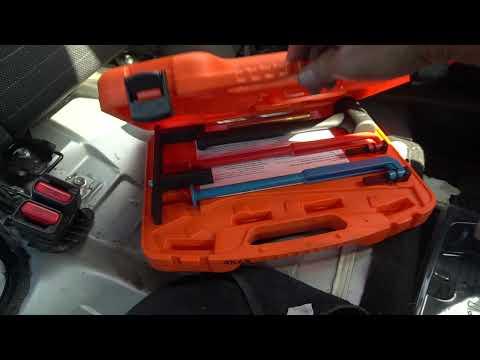
- Fuel pump lock ring tool (specialty)
- Non-sparking plastic or brass drift punch (specialty)
- Rubber mallet
- Clean shop rags
- Drain pan or fuel-safe container (at least 2 liters)
- Safety glasses
- Nitrile gloves
🔩 Required Parts
HowToo sells all the parts you need for this repair:
- Fuel pump module assembly (in-tank) - Qty: 1
- Fuel pump module O-ring / tank seal - Qty: 1
- Fuel tank lock ring - Qty: 1 (recommended with every pump)
- Fuel pump strainer / pre-filter - Qty: 1 (if not included with module)
- New hose clamps (fuel-rated) - Qty: 2-4 (if any are removed)
- Shop towels / absorbent pads - Qty: As needed
📋 Before You Begin
- Park your Corolla on level ground, shift to Park, and set the parking brake.
- Ideally have the fuel tank below 1/4 full to reduce spillage and make removal easier.
- Turn ignition OFF and remove the key.
- Open the trunk and all doors to ventilate the interior.
- Disconnect the negative battery terminal using a 10mm socket and move the cable aside so it cannot touch again.
- Relieve fuel pressure by leaving the car off for at least 20–30 minutes before opening any fuel lines. Pressure slowly drops after engine off.
🔨 Step-by-Step Instructions
Follow these steps in order:
Step 1: Access the fuel pump under the rear seat
- Open the rear doors and locate the rear seat bottom cushion.
- Use your hands to feel at the front edge of the seat bottom for the two seat clips (left and right sides).
- Pull up sharply at each clip location to release the seat bottom; you can use a trim removal tool (plastic) to help if it’s tight.
- Lift the seat bottom cushion out of the car and set it aside.
- You’ll see a round metal cover with wires on the passenger side; this is the fuel pump access cover.
Step 2: Remove the fuel pump access cover
- Use a 10mm socket to remove any small bolts, or a flathead screwdriver to gently pry up if it’s held by adhesive only (depends on build).
- Carefully lift the cover to reveal the top of the fuel pump module and electrical connector.
- Wipe around the area with clean shop rags so no dirt falls into the tank. Clean top before opening tank
Step 3: Disconnect the electrical connector
- Locate the main electrical plug going to the fuel pump on top of the module.
- Press the locking tab with your thumb or a small flathead screwdriver and carefully pull the connector straight off.
- Inspect the connector for corrosion or damage and keep it out of the way.
Step 4: Disconnect fuel lines
- There will be one or two fuel lines connected with quick-connect fittings.
- Place a drain pan and some rags under the lines to catch any fuel drips.
- On quick-connect fittings: press the plastic tabs on the sides using your fingers or needle-nose pliers, then gently pull the line off. Do not twist hard.
- Allow pressure to bleed off into the rags and pan.
Step 5: Remove the fuel pump lock ring
- The pump is held to the tank by a large round lock ring.
- If you have a fuel pump lock ring tool (specialty), place it on the ring and use a 3/8" drive ratchet to rotate counterclockwise to unlock.
- If you don’t, use a non-sparking plastic or brass drift punch and a rubber mallet to tap the lock ring counterclockwise around the edges.
- Once loosened, spin the lock ring off by hand and remove it from the opening.
Step 6: Remove the old fuel pump module
- Carefully lift the pump module straight up with both hands.
- There will be a float arm for the fuel gauge; tilt the unit slightly as needed to clear the tank opening without bending the arm.
- Let excess fuel drip from the module into your drain pan before fully removing it from the car.
- Remove the old O-ring seal from the tank opening and discard it.
Step 7: Prepare the new fuel pump module
- Compare the new pump module with the old one to confirm same shape, connector style, and float arm position.
- If the new module does not come with a strainer, move the old strainer over following its clip arrangement, or install the new strainer using your needle-nose pliers.
- Lightly coat the new O-ring with a bit of clean fuel to help it seat.
Step 8: Install the new O-ring and pump module
- Place the new O-ring seal into the groove on the tank opening; make sure it is not twisted.
- Carefully lower the new pump module into the tank while guiding the float arm so it does not catch on the opening.
- Align the marks or alignment tabs on the pump module flange with those on the fuel tank (note their position from removal).
Step 9: Reinstall and torque the lock ring
- Place the new or cleaned lock ring over the pump module and start it by hand.
- Use the fuel pump lock ring tool (specialty) with your 3/8" drive ratchet to rotate the lock ring clockwise until it seats firmly.
- If tapping with a non-sparking drift punch and rubber mallet, tap evenly around the ring clockwise until the marks line up and it is fully locked.
- Toyota spec is generally around Torque to 68–78 Nm (50–58 ft-lbs) for similar lock rings; do not overtighten or leave loose. Evenly tighten for good seal
Step 10: Reconnect fuel lines and electrical connector
- Push each fuel line back onto its fitting until you hear or feel a click.
- Gently tug each line by hand to confirm it is locked in place.
- Reconnect the electrical connector by pushing it straight onto the pump until it clicks.
Step 11: Reinstall the access cover and rear seat
- Position the metal access cover back over the pump opening.
- Use the 10mm socket to reinstall any screws/bolts that held it in place. If there were none, press the cover firmly back into its adhesive.
- Place the rear seat bottom cushion back in the car.
- Slide the rear of the cushion in first, then push down firmly at the front to snap the two clips back into place.
Step 12: Reconnect battery and prime the fuel system
- Reconnect the negative battery cable using a 10mm socket and tighten it snugly. Torque to 5–7 Nm (4–5 ft-lbs).
- Get into the driver’s seat and turn the ignition to ON (engine not started) for about 5–10 seconds. You should hear the pump run briefly.
- Turn ignition OFF, then ON again 2–3 more times to fully prime the system.
- Check under the rear seat area and under the car for any fuel smell or leaks.
✅ After Repair
- Start the engine and let it idle for a few minutes; watch for warning lights on the dash.
- Check again under the rear seat access area for any signs of leaks or strong fuel smell.
- Take a short, gentle test drive around your area, watching for normal acceleration and no hesitation.
- If a Check Engine Light appears, have the codes scanned to confirm there are no fuel pressure or circuit issues.
💰 DIY vs Shop Cost
Shop Cost: $600-$900 (parts + labor)
DIY Cost: $200-$350 (parts only)
You Save: $400-$550 by doing it yourself!
Shop labor rates vary but typically run $100-$150/hour. This repair takes a shop approximately 2-3 hours.
🎯 Ready to get started?
HowToo makes it easy: same-day/2-day shipping on every part, plus all the tools and specialty tools you need! Check out the parts and tools sections above to add everything to your cart.