














How to Replace the Fuel Pump on a 2020 Ram 1500 Classic
Step-by-step fuel pump module replacement with tools, parts list, torque specs, and safety tips for DIY Ram 1500 Classic owners for 2019, 2020, 2021, 2022
How to Replace the Fuel Pump on a 2020 Ram 1500 Classic
Step-by-step fuel pump module replacement with tools, parts list, torque specs, and safety tips for DIY Ram 1500 Classic owners for 2019, 2020, 2021, 2022


1500 Classic - Fuel Pump Replacement ⛽
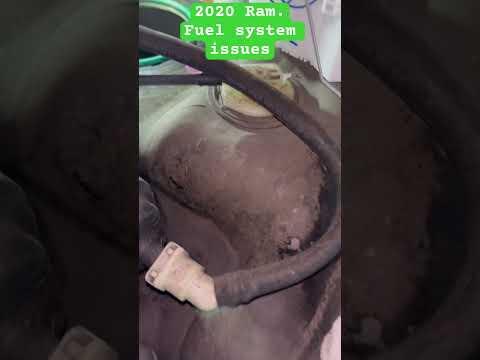
On your 1500 Classic, the fuel pump is part of the fuel pump module inside the fuel tank. The safest way is to lower the tank, not cut the bed.
Quick questions before we start ❓
- ✅ Are you working on the main fuel tank (no auxiliary/second tank installed)?
- ✅ Do you have a safe way to lift and support the truck (floor jack + jack stands, not just the factory jack)?
Answer briefly and I’ll tailor the steps. I’ll continue with the standard single-tank setup below.
Safety first ⚠️
- 🛑 Work outside or in a very well-ventilated area. Gas fumes can ignite.
- 🛑 No smoking, no sparks, no grinding, no open flames.
- 🛑 Disconnect the negative battery cable before touching fuel lines. This prevents sparks and accidental pump operation.
- 🛑 Support the truck with jack stands, never rely on a jack alone.
- 🛑 Have a class B/C fire extinguisher nearby.
Parts you’ll need 📦
- 🧰 Fuel pump module assembly (complete unit for your 5.7L 4WD SLT)
- 🧰 New tank seal/O-ring for the pump module (usually included with the pump)
- 🧰 New lock ring (recommended; sometimes reusable but best to replace)
- 🧰 A few new hose clamps if any are damaged during removal
Tools required 🔧
- 🛠️ Floor jack – to lift the truck and support the fuel tank.
- 🛠️ Jack stands – solid stands to safely hold the truck up.
- 🛠️ Wheel chocks – blocks to keep wheels from rolling.
- 🛠️ Socket set (metric & SAE):
- Common sizes: 13mm, 15mm, 18mm for tank straps and shields.
- 🛠️ Ratchet and extensions – to reach strap bolts.
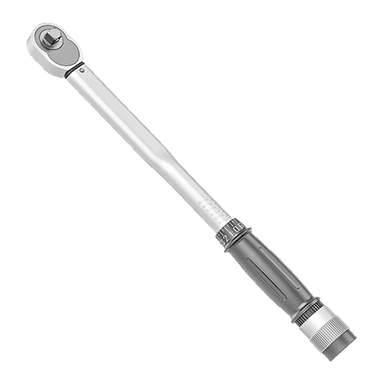
- 🛠️ Torque wrench – to tighten bolts to spec without over-tightening.
- 🛠️ Fuel line quick-disconnect tool – small plastic/metal tool that releases the spring clips on fuel lines.
- 🛠️ Flat-blade screwdriver – for hose clamps and gently prying connectors.
- 🛠️ Plastic or brass drift + small hammer – to tap the pump lock ring (non-sparking).
- 🛠️ Drain pan – to catch any spilled fuel.
- 🛠️ Shop rags – to wipe up fuel and dirt.
- 🛠️ Safety glasses and gloves – protect eyes and skin from fuel.
Key torque specs 🔩
- 🧷 Fuel tank strap bolts: ~40–45 ft-lb (54–61 N·m)
- 🧷 Fuel pump module lock ring: Tap until fully seated; no torque spec, but ensure tabs are fully engaged.
These values are typical for this truck; if you have a factory manual, follow its exact numbers.
Step 1 – Relieve fuel system pressure ⬇️
- ⛽ Remove the fuel cap to release tank vapor pressure.
- ⛽ Inside the engine bay, locate the fuel pump relay in the fuse/relay box (TIPM). The lid diagram will show which one is the fuel pump.
- ⛽ Start the engine and let it idle.
- ⛽ Pull the fuel pump relay. The engine will stall as pressure drops.
- ⛽ Turn the key OFF and disconnect the negative battery cable (10mm).
Step 2 – Safely raise and support the truck 🧱
- 🧱 Park on a flat surface, set the parking brake, and chock the front wheels.
- 🧱 Use the floor jack under the rear axle to lift the rear of the truck.
- 🧱 Place jack stands under the frame rails on both sides and gently lower the truck onto them.
Step 3 – Access the fuel tank (rear underside) 🔍
- 🧰 The main tank is on the driver side, between the frame and driveshaft.
- 🧰 If your truck has a plastic shield under the tank, remove it:
- Remove the bolts (usually 13mm) and set the shield aside.
Step 4 – Support the fuel tank 🏗️
- 🛞 Place a wide piece of wood on the floor jack pad (to spread the load).
- 🛞 Raise the jack until it just contacts the bottom of the tank and supports it, but doesn’t lift the truck.
Step 5 – Disconnect filler neck and vent hoses 🧵
- 🧵 At the rear of the tank, where the filler neck comes down from the fuel door:
- Loosen the hose clamps on the large filler hose and smaller vent hose (flat screwdriver or 8mm socket).
- Twist and pull the hoses off the tank fittings. Use a little wiggle; don’t yank hard.
Step 6 – Lower tank slightly and unplug lines/connectors 🔌
- 🔧 Remove the tank strap bolts (usually 15mm or 18mm) at the rear of each strap while supporting the tank with the jack.
- 🔧 Swing the straps down and out of the way.
- 🔧 Slowly lower the jack a few inches so the top of the tank becomes visible, but do not drop it all the way yet.
- 🔧 On top of the tank, locate:
- Electrical connector for the pump module – press the tab and pull straight off.
- Fuel supply line – uses a quick-connect fitting.
- Possibly a return/evap line – also quick-connect.
- 🔧 Use the fuel line quick-disconnect tool:
- Slide the tool into the fitting to release the internal spring.
- Hold the tool in and pull the line off the pump nipple.
- Have a drain pan and rags ready; a small amount of fuel will spill.
Step 7 – Remove the fuel tank from the truck 🛠️
- 🛠️ Once all lines and connectors are free, lower the jack fully and slide the tank out from under the truck.
- 🛠️ Place the tank on a clean, flat surface with the pump module facing up.
Step 8 – Remove the fuel pump module 🔄
- 🧽 Clean around the pump module area on top of the tank with a brush or rag so dirt doesn’t fall inside.
- 🧽 The pump is held by a lock ring:
- Use a plastic or brass drift and a small hammer.
- Tap the lock ring counterclockwise until it rotates free of the tabs.
- 🧽 Lift the lock ring off and remove the old O-ring seal.
- 🧽 Carefully lift the pump module straight up:
- Angle it slightly to clear the float arm for the fuel gauge.
- Let excess fuel drain back into the tank.
Step 9 – Install the new fuel pump module 🆕
- 🆕 Wipe the tank sealing surface clean; no dirt, rust, or old seal pieces.
- 🆕 Place the new O-ring in the groove on the tank.
- 🆕 Lower the new pump module into the tank:
- Guide the float arm in carefully.
- Align the pump’s locating tabs with the marks or slots on the tank.
- 🆕 Install the lock ring:
- Set it over the pump flange and start it by hand.
- Tap it clockwise with the drift and hammer until it fully seats and the tabs are locked.
Step 10 – Reinstall the fuel tank 🔁
- 🔁 Slide the tank back under the truck and position it on the floor jack.
- 🔁 Raise the tank slowly until you can reach the top.
- 🔁 Reconnect:
- Electrical connector – push until it clicks.
- Fuel supply line – push on until you feel and hear a click; tug gently to confirm it’s locked.
- Evap/vent lines – same quick-connect style.
- 🔁 Raise the tank fully into position against the frame.
- 🔁 Swing the tank straps up and install the bolts by hand first.
- 🔁 Tighten strap bolts to about 40–45 ft-lb with a torque wrench.
- 🔁 Reconnect the filler hose and vent hose at the rear:
- Slide hoses fully onto the tank necks.
- Tighten hose clamps snugly (do not overtighten and cut the hose).
- 🔁 Reinstall any plastic shield you removed earlier.
Step 11 – Final checks and priming the system ✅
- ✅ Reinstall the fuel cap.
- ✅ Reconnect the negative battery cable.
- ✅ Reinstall the fuel pump relay in the fuse box.
- ✅ Cycle the key:
- Turn key to RUN (not start) for 5 seconds, then OFF.
- Repeat 3–4 times to prime the fuel system and build pressure.
- ✅ Start the engine:
- It may crank a bit longer the first time; this is normal.
- Check under the truck for any fuel leaks around the tank and lines.
Tips & tricks for a first-timer 💡
- 💡 Try to do this job with the tank as empty as possible; a full tank is very heavy.
- 💡 Take pictures of hose routing and connectors before disconnecting, so you can match them during reassembly.
- 💡 If any quick-connect fitting fights you, clean it with brake cleaner and try again; dirt can jam the spring.
Want parts and tools? 🛒
Below this answer, HowToo will show you the correct fuel pump module, lock ring, O-ring, and tools for your 1500 Classic. You can add them to your cart directly from the parts section, with fast shipping.
If you tell me roughly how full your tank is and whether you’re working on the ground or with a lift, I can give you a couple of extra safety tips tailored to your setup.
HowToo makes it easy: same-day/2-day shipping on every part, plus all the tools and specialty tools you need! 🚚