













How to Replace the Fuel Pump on a 2018 Volkswagen Passat (In-Tank vs High-Pressure)
Step-by-step instructions, required tools/parts, safety tips, and priming steps for each pump type for 2006, 2007, 2008, 2009, 2010, 2018
How to Replace the Fuel Pump on a 2018 Volkswagen Passat (In-Tank vs High-Pressure)
Step-by-step instructions, required tools/parts, safety tips, and priming steps for each pump type for 2006, 2007, 2008, 2009, 2010, 2018


🔧 Passat - Fuel Pump Replacement
On your Passat, “fuel pump” can mean two different parts: the in-tank low-pressure pump (in the fuel tank) or the engine-mounted high-pressure pump (feeds the direct-injection system). The steps, tools, parts, and torque specs are completely different, so I need one quick detail before I give you the exact procedure.
Difficulty Level: Intermediate | Estimated Time: 1.5-4.0 hours
⚠️ Safety & Precautions
- ⚠️ Work outside or in a very well-ventilated area—fuel vapors are flammable.
- ⚠️ No smoking, no sparks, no hot lights, and keep a fire extinguisher nearby.
- ⚠️ Relieve fuel pressure before opening any fuel line.
- ⚠️ Disconnect the negative battery terminal before unplugging the pump wiring.
- ⚠️ Clean dirt off the area before opening the fuel system to prevent contamination.
🔧 Required Tools
You'll need the following tools for this repair:
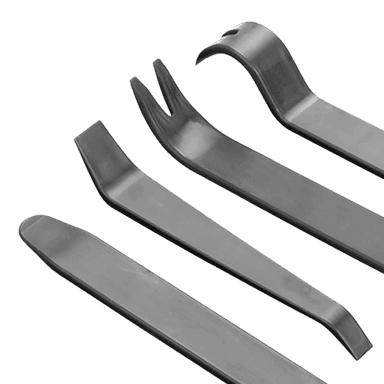
- Plastic trim removal tool set
- 3/8" drive ratchet
- Socket set 8mm-18mm
- Torque wrench 5-60 Nm
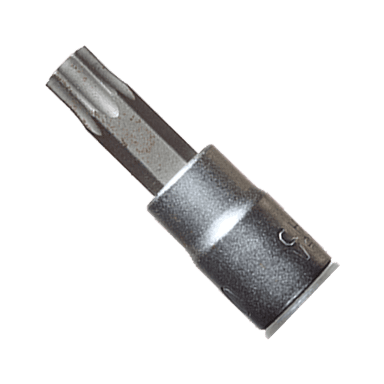
- Torx bit set T20-T30
- Fuel line disconnect tool set (specialty)
- Fuel-safe drain pan
- Shop rags
- Nitrile gloves
- Safety glasses
- Fire extinguisher class B
- Scan tool with VW fuel system functions (specialty)
🔩 Required Parts
HowToo sells all the parts you need for this repair:
- Fuel pump assembly - Qty: 1
- Fuel pump sealing gasket/O-ring - Qty: 1
- One-time-use hose clamps (fuel-rated) - Qty: 1 set
📋 Before You Begin
- Park on level ground, key out of the car, and open a window for ventilation.
- Have rags ready to catch fuel drips when lines are opened.
- If the job is the in-tank pump: plan to work with a low fuel level (under 1/4 tank) to reduce spills.
- I need 2 quick answers before I can give the correct steps and exact torque specs:
- Is your issue with the in-tank pump (rear seat area) or the engine-mounted high-pressure pump (under the hood)?
- Do you have a check engine light with any codes (example: P0087/P0088), or is it a no-start/whine/low power symptom?
🔨 Step-by-Step Instructions
Follow these steps in order:
Step 1: Confirm which pump you’re replacing
- On your Passat there are two “fuel pumps” used in the system.
- The in-tank low-pressure pump is accessed from inside the cabin (usually under/near the rear seat).
- The high-pressure pump is on the engine and connects to the high-pressure fuel rail.
- Reply with which one you’re replacing and your symptoms/codes, and I’ll generate the exact procedure with the correct torque specs and any prime/bleed steps.
✅ After Repair
- Do not start the engine until the system is primed correctly (procedure depends on which pump).
- Check carefully for leaks with the key ON (engine OFF) before driving.
- If a warning light was on, clear codes and confirm none return (procedure depends on pump type).
💰 DIY vs Shop Cost
Shop Cost: $600-$1,600 (parts + labor)
DIY Cost: $200-$900 (parts only)
You Save: $400-$700+ by doing it yourself!
Shop labor rates vary but typically run $100-$150/hour. This repair takes a shop approximately 1.5-4.0 hours.
🎯 Ready to get started?
HowToo makes it easy: same-day/2-day shipping on every part, plus all the tools and specialty tools you need! Check out the parts and tools sections below to add everything to your cart.