









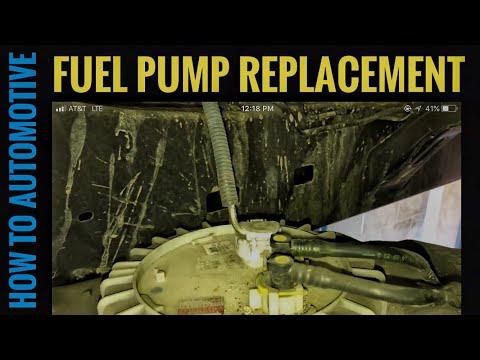





How to Replace the Fuel Pump on a 2018 Toyota 4Runner (In-Tank Module Guide)
Step-by-step rear-seat access instructions with tools, parts list, safety tips, and torque specs for 2010, 2011, 2012, 2013, 2014, 2015, 2016, 2017, 2018, 2019, 2020, 2021, 2022, 2023, 2024
How to Replace the Fuel Pump on a 2018 Toyota 4Runner (In-Tank Module Guide)
Step-by-step rear-seat access instructions with tools, parts list, safety tips, and torque specs for 2010, 2011, 2012, 2013, 2014, 2015, 2016, 2017, 2018, 2019, 2020, 2021, 2022, 2023, 2024


🔧 4Runner - Fuel Pump Replacement
On your 4Runner, the fuel pump sits inside the fuel tank as part of an in-tank module. Most repairs are done through a service access cover under the rear seat, so you usually don’t have to drop the fuel tank.
Difficulty Level: Intermediate | Estimated Time: 2-4 hours
⚠️ Safety & Precautions
- 🔥 Work outside or in a well-ventilated area; fuel vapors ignite easily.
- 🧯 Keep a Class B fire extinguisher nearby.
- ⚡ Disconnect the negative battery cable to prevent sparks.
- 🚭 No smoking, no shop lights with hot bulbs, no power tools near open fuel.
- 🧤 Wear gloves and safety glasses; fuel can irritate skin and eyes.
- ⛔ Relieve fuel pressure before disconnecting any fuel line.
🔧 Required Tools
You'll need the following tools for this repair:
- Safety glasses
- Nitrile gloves
- Class B fire extinguisher
- 10mm socket
- 12mm socket
- 14mm socket
- 3/8" ratchet
- 3" extension
- Torque wrench (inch-pound)
- Torque wrench (foot-pound)
- Phillips screwdriver #2
- Trim panel removal tool
- Needle-nose pliers
- Pick tool
- Shop towels
- Drain pan
- Non-marring plastic scraper
- Fuel line disconnect tool set (specialty)
- Permanent marker
🔩 Required Parts
HowToo sells all the parts you need for this repair:
- Fuel pump module assembly - Qty: 1
- Fuel pump tank seal / O-ring gasket - Qty: 1
- New hose clamps - Qty: 2
- Dielectric grease (for electrical connectors) - Qty: 1
📋 Before You Begin
- 🅿️ Park on level ground and set the parking brake.
- ⛽ Drive until the tank is near 1/4 full (less fuel = less mess and fumes).
- 🔌 Disconnect the negative battery cable using a 10mm socket.
- 🧠 Relieve fuel pressure before opening the fuel system (steps below).
- 🧼 Clean the area around the access cover so dirt can’t fall into the tank.
🔨 Step-by-Step Instructions
Follow these steps in order:
Step 1: Relieve fuel pressure
- Open the hood and remove the engine cover if equipped.
- Pull the fuel pump relay or EFI fuse from the under-hood fuse/relay box (use needle-nose pliers carefully).
- Start the engine and let it run until it stalls.
- Crank the engine for 3 seconds two more times to bleed off remaining pressure.
- Turn the key OFF and reinstall the relay/fuse later during reassembly.
Step 2: Disconnect the battery
- Use a 10mm socket to loosen the negative battery terminal and remove it from the battery post.
- Tuck the cable aside so it can’t spring back.
Step 3: Remove the rear seat cushion (access the service cover)
- From the rear seat area, release the seat cushion latches (a firm pull up at the front edge of the cushion usually releases them).
- If your seat uses bolts, remove them with a 14mm socket.
- Lift the seat cushion out of the way.
- Tip: Take a photo before unplugging anything.
Step 4: Remove the fuel pump service cover
- Remove the service cover screws using a Phillips screwdriver #2 (or bolts using a 10mm socket, depending on fasteners).
- Use a trim panel removal tool to lift the cover without bending it.
- Clean dirt around the opening using shop towels.
Step 5: Disconnect electrical connector and fuel lines
- Unplug the fuel pump electrical connector (use a pick tool gently if the tab is stubborn).
- Place shop towels and a drain pan under the lines to catch fuel.
- Disconnect the quick-connect fuel line using the fuel line disconnect tool set (specialty).
- Pinch and slide any hose clamps using needle-nose pliers, then twist hoses off by hand (don’t pry hard on plastic fittings).
Step 6: Mark orientation and remove the fuel pump module
- Use a permanent marker to mark the module’s orientation to the tank (helps prevent a crooked seal).
- Remove the module retaining fasteners using a 10mm socket.
- Lift the module straight up slowly; angle it as needed to clear the float arm (fuel level sender).
- Pour any fuel in the module into the drain pan.
Step 7: Replace the tank seal (critical)
- Remove the old seal/O-ring from the tank opening using a pick tool.
- Clean the sealing surface with a non-marring plastic scraper and shop towels.
- Install the new seal/O-ring (do not reuse the old one).
Step 8: Install the new fuel pump module
- Lower the new module into the tank carefully, guiding the float arm in without bending it.
- Align your marker marks and seat the module evenly on the new seal.
- Install the retaining fasteners by hand first, then tighten evenly in a crisscross pattern using a 10mm socket.
- Torque to 5 N·m (44 in-lbs) using an inch-pound torque wrench.
Step 9: Reconnect fuel lines and electrical
- Reconnect the fuel quick-connect line until you hear/feel it click, then tug lightly to confirm it’s locked.
- Reinstall hoses and replace clamps as needed using needle-nose pliers.
- Add a tiny amount of dielectric grease to the connector seal (not the metal pins), then plug the connector back in.
Step 10: Reinstall the service cover and rear seat
- Reinstall the service cover using a Phillips screwdriver #2 (or 10mm socket if bolts).
- Reinstall the rear seat cushion and any bolts using a 14mm socket.
- Torque seat bolts to 39 N·m (29 ft-lbs) using a foot-pound torque wrench (if equipped).
Step 11: Restore power and prime the system
- Reconnect the negative battery cable using a 10mm socket.
- Turn the key to ON (not start) for 5 seconds, then OFF. Repeat 3 times to prime the fuel system.
- Start the engine and let it idle.
✅ After Repair
- 👃 Sniff-check for fuel odor around the rear seat area and outside near the tank.
- 🔍 With the engine idling, inspect the fuel line connection for seepage (use a flashlight, not a hot work light).
- 🧾 Clear any stored codes if the check engine light stays on (a scan tool can help confirm fuel pressure-related codes are gone).
- 🚗 Take a short test drive, then recheck for leaks.
💰 DIY vs Shop Cost
Shop Cost: $900-$1,500 (parts + labor)
DIY Cost: $250-$650 (parts only)
You Save: $650-$850 by doing it yourself!
Shop labor rates vary but typically run $100-$150/hour. This repair takes a shop approximately 2-4 hours.
🎯 Ready to get started?
HowToo makes it easy: same-day/2-day shipping on every part, plus all the tools and specialty tools you need! Check out the parts and tools sections below to add everything to your cart.