









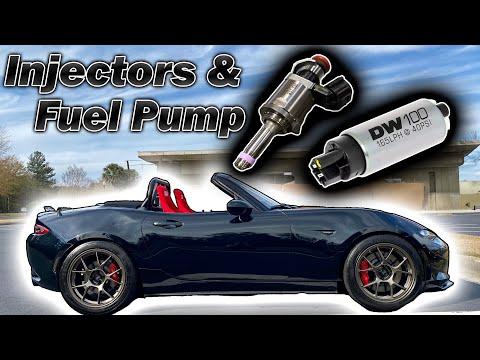





How to Replace the Fuel Pump on a 2018 Mazda MX-5 Miata (In-Tank Module)
Step-by-step DIY instructions with required tools/parts, safety tips, and torque specs (4.5 Nm) for 2016, 2017, 2018, 2019, 2020, 2021, 2022, 2023, 2024
How to Replace the Fuel Pump on a 2018 Mazda MX-5 Miata (In-Tank Module)
Step-by-step DIY instructions with required tools/parts, safety tips, and torque specs (4.5 Nm) for 2016, 2017, 2018, 2019, 2020, 2021, 2022, 2023, 2024


🔧 MX-5 Miata - Fuel Pump Replacement
The fuel pump on your MX-5 Miata is an in-tank pump (part of a pump module) that supplies pressurized fuel to the engine. Replacement typically involves relieving fuel pressure, accessing the pump through an interior service cover, disconnecting the fuel line/electrical connector, and swapping the module with a new seal.
Difficulty Level: Intermediate | Estimated Time: 2-4 hours
⚠️ Safety & Precautions
- 🔥 Work in a well-ventilated area—fuel vapors are highly flammable.
- 🔥 No smoking, sparks, or hot work lights near the car.
- 🧤 Wear gloves and safety glasses—fuel can irritate skin/eyes.
- ⚡ Disconnect the negative battery terminal before opening the pump module.
- 🧯 Keep a Class B fire extinguisher nearby.
- 🧼 Clean dirt around the pump opening—debris in the tank can damage the new pump.
🔧 Required Tools
You'll need the following tools for this repair:
- 10mm socket
- 12mm socket
- 1/4" ratchet
- 3/8" ratchet
- 3" extension
- Torque wrench (2–25 Nm range)
- Phillips screwdriver #2
- Trim removal tool set
- Pick tool (small)
- Needle-nose pliers
- Fuel line quick-disconnect tool set (specialty)
- Shop towels
- Drain pan
- Nitrile gloves
- Safety glasses
- Fire extinguisher (Class B)
- Battery terminal wrench (10mm)
🔩 Required Parts
HowToo sells all the parts you need for this repair:
- Fuel pump module assembly - Qty: 1
- Fuel pump module tank seal (O-ring/gasket) - Qty: 1
- Fuel-safe cleaner (sensor-safe) - Qty: 1
📋 Before You Begin
- Park on level ground and let the car cool down completely.
- Run the fuel level low if possible (under 1/4 tank makes it lighter and less messy).
- Relieve fuel pressure before disconnecting lines (steps below).
- Have a clean spot ready to set the pump module down (fuel will drip).
🔨 Step-by-Step Instructions
Follow these steps in order:
Step 1: Relieve fuel pressure
- Open the hood and locate the engine-bay fuse/relay box.
- Pull the fuel pump fuse/relay (often labeled F/P or Fuel Pump) using needle-nose pliers.
- Start the engine and let it run until it stalls, then crank for 2–3 seconds to release any remaining pressure.
- Turn ignition OFF.
- If it won’t start, pressure may already be low.
Step 2: Disconnect the battery
- Use a 10mm socket to loosen the negative battery terminal.
- Remove the negative cable and isolate it so it can’t spring back.
Step 3: Access the fuel pump service cover
- Move both seats fully forward.
- Use a trim removal tool set and Phillips screwdriver #2 to remove the rear interior trim panels behind the seats (work slowly to avoid breaking clips).
- Locate the metal service cover over the fuel pump area and remove its fasteners using a 10mm socket or Phillips screwdriver #2 (fastener type varies by panel).
Step 4: Clean the area
- Use shop towels and fuel-safe cleaner (sensor-safe) to thoroughly clean dirt around the pump module top.
- Clean first so nothing falls into the tank.
Step 5: Disconnect electrical connector and fuel line
- Unplug the fuel pump electrical connector by releasing the lock tab using a pick tool (small) (don’t force it).
- Place a drain pan and shop towels under the fuel line connection.
- Disconnect the fuel line quick-connect:
- Use a fuel line quick-disconnect tool set (specialty) if needed.
- Pull the line straight off once released (avoid twisting hard).
Step 6: Remove the pump module fasteners
- Remove the module retaining bolts/nuts using a 10mm socket.
- Lift off the retaining ring/plate (if equipped) and set it aside.
Step 7: Remove the fuel pump module
- Carefully lift the module upward—tilt as needed to clear the float arm (fuel level sender).
- Let fuel drain into the tank for a moment, then move the module to the drain pan.
- Remove the old tank seal (O-ring/gasket) using a pick tool (small).
Step 8: Install the new seal and new pump module
- Install the new fuel pump module tank seal (O-ring/gasket) into the tank opening (make sure it sits flat and isn’t twisted).
- Lower the new fuel pump module assembly in, guiding the float arm carefully.
- Reinstall the retaining ring/plate and start all bolts/nuts by hand first.
- Tighten evenly in a crisscross pattern with a 10mm socket.
- Final tighten with a torque wrench (2–25 Nm range): Torque to 4.5 Nm (40 in-lbs).
- Even tightening prevents seal leaks.
Step 9: Reconnect the fuel line and electrical connector
- Push the fuel line on until it clicks; gently tug to confirm it’s locked.
- Plug in the electrical connector until fully seated.
Step 10: Reinstall service cover and interior trim
- Reinstall the service cover using a 10mm socket or Phillips screwdriver #2 (whichever was removed).
- Reinstall all trim panels using the trim removal tool set to align clips before pressing them in.
Step 11: Prime the fuel system and check for leaks
- Reconnect the negative battery cable using a 10mm socket.
- Reinstall the fuel pump fuse/relay using needle-nose pliers.
- Turn ignition ON (do not start) for 5 seconds, then OFF. Repeat 3 times to prime the system.
- Start the engine and inspect the pump area and fuel line connection for seepage.
✅ After Repair
- Let the engine idle for 2–3 minutes and re-check for fuel leaks.
- Take a short test drive, then re-check again for any fuel smell or dampness behind the seats.
- If the check engine light comes on, scan for codes (a loose connector or EVAP leak can trigger a light).
💰 DIY vs Shop Cost
Shop Cost: $750-$1,400 (parts + labor)
DIY Cost: $250-$700 (parts only)
You Save: $500-$700 by doing it yourself!
Shop labor rates vary but typically run $100-$150/hour. This repair takes a shop approximately 2-3 hours.
🎯 Ready to get started?
HowToo makes it easy: same-day/2-day shipping on every part, plus all the tools and specialty tools you need! Check out the parts and tools sections below to add everything to your cart.