















How to Replace the Fuel Pump on a 2018 Honda Fit (In-Tank Module Repair Guide)
Step-by-step access-cover procedure with required tools/parts, safety tips, priming, and leak checks
How to Replace the Fuel Pump on a 2018 Honda Fit (In-Tank Module Repair Guide)
Step-by-step access-cover procedure with required tools/parts, safety tips, priming, and leak checks


🔧 Fit - Fuel Pump Replacement
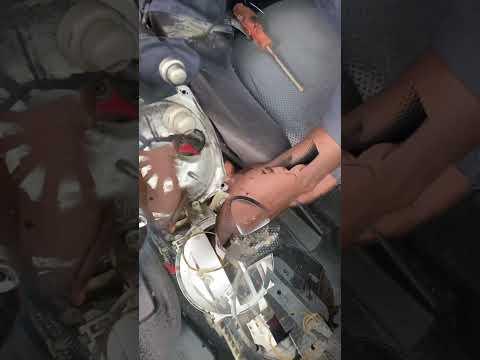
On your Fit, the fuel pump sits inside the fuel tank as an in-tank module (pump + level sender + strainer). Most DIY replacements are done through an access cover under the rear seat, but the exact steps depend on whether you’re replacing the whole module or just the pump motor inside it.
Difficulty Level: Advanced | Estimated Time: 2-4 hours
⚠️ Safety & Precautions
- ⚠️ Fuel vapors are flammable; work outdoors or with strong ventilation.
- ⚠️ No smoking, no shop heaters, no grinding/sparks near the car.
- ⚠️ Relieve fuel pressure before disconnecting fuel lines to avoid spray.
- ⚠️ Disconnect the negative battery cable to prevent accidental sparks.
- ⚠️ Keep a Class B fire extinguisher nearby.
🔧 Required Tools
You'll need the following tools for this repair:
- Nitrile gloves
- Safety glasses
- Fire extinguisher (Class B)
- 10mm socket
- 3/8" drive ratchet
- 3/8" drive torque wrench
- Phillips screwdriver #2
- Plastic trim removal tool set
- Fuel line quick-disconnect tool set
- Fuel-safe drain pan
- Shop towels
- Non-marring brass drift punch (specialty)
- Fuel pump lock ring wrench (specialty)
- Handheld vacuum
🔩 Required Parts
HowToo sells all the parts you need for this repair:
- Fuel pump module assembly - Qty: 1
- Fuel pump module tank seal O-ring - Qty: 1
- Fuel pump strainer - Qty: 1
- Fuel pump lock ring - Qty: 1
📋 Before You Begin
- 🅿️ Park on level ground and set the parking brake.
- ⛽ Drive until the tank is as low as possible (less fuel = less spill risk).
- 🧹 Vacuum around the rear-seat area first so dirt can’t fall into the tank opening.
- 🔌 Plan to disconnect the negative battery cable using a 10mm socket.
- ❓ Quick questions so I can give you the exact, correct steps (and the right torque targets):
- Are you replacing the entire fuel pump module, or only the pump motor inside the module?
- When you lift the rear seat, do you see a round metal access cover with screws (yes/no)?
🔨 Step-by-Step Instructions
Follow these steps in order:
Step 1: Confirm the correct replacement path
- Reply with your answers to the two questions above.
- Once confirmed, I’ll give you the exact Fit-specific procedure (access-cover vs tank-drop) and the correct tightening specs for the hardware you’ll touch.
Step 2: Gather parts and plan for sealing
- Use nitrile gloves and safety glasses.
- Make sure you have a new tank seal O-ring before opening the tank; reusing the old seal commonly causes fuel smell/leaks.
- Cleanliness here prevents repeat repairs.
✅ After Repair
- Turn the key ON (engine OFF) for 2–3 seconds, then OFF; repeat 3 times to prime the system.
- Start the engine and inspect for leaks at the pump top and any fuel line connection.
- Verify there’s no fuel odor inside the cabin after a short drive.
💰 DIY vs Shop Cost
Shop Cost: $700-$1,300 (parts + labor)
DIY Cost: $250-$650 (parts only)
You Save: $450-$650 by doing it yourself!
Shop labor rates vary but typically run $100-$150/hour. This repair takes a shop approximately 2-4 hours.
🎯 Ready to get started?
HowToo makes it easy: same-day/2-day shipping on every part, plus all the tools and specialty tools you need! Check out the parts and tools sections below to add everything to your cart.