









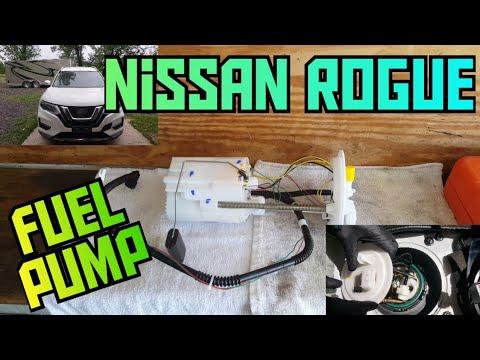





How to Replace the Fuel Pump on a 2017-2019 Nissan Rogue (In-Tank Module) (Engine: Inline 4 2.0L)
Step-by-step DIY guide with tools, parts list, safety tips, and instructions for installing a new fuel pump module under the rear seat.
How to Replace the Fuel Pump on a 2017-2019 Nissan Rogue (In-Tank Module) (Engine: Inline 4 2.0L)
Step-by-step DIY guide with tools, parts list, safety tips, and instructions for installing a new fuel pump module under the rear seat. for 2017, 2018, 2019


🔧 Rogue - Fuel Pump Module Replacement
This guide covers replacing the in-tank fuel pump module under the rear seat on your Rogue hybrid. The pump assembly includes the electric pump and fuel level sender that supply fuel from the tank to the engine.
Difficulty Level: Intermediate | Estimated Time: 2–3 hours
⚠️ Safety & Precautions
- ⚠️ Work in a well-ventilated area away from open flames, heaters, or anything that can spark.
- ⚠️ Do not smoke or use your phone while working around open fuel.
- ⚠️ On a hybrid, keep clear of any orange high-voltage cables; do not open or touch any orange connectors.
- ⚠️ Disconnect the 12V battery negative terminal before opening the fuel system to prevent accidental pump operation.
- ⚠️ Fuel is toxic; avoid skin and eye contact and clean spills immediately.
- ⚠️ Keep a fire extinguisher rated for flammable liquids within reach.
🔧 Required Tools
You'll need the following tools for this repair:
- 🛠️ 10mm socket
- 🛠️ 12mm socket
- 🛠️ 3/8" drive ratchet
- 🛠️ 3/8" drive socket extension (3–6")
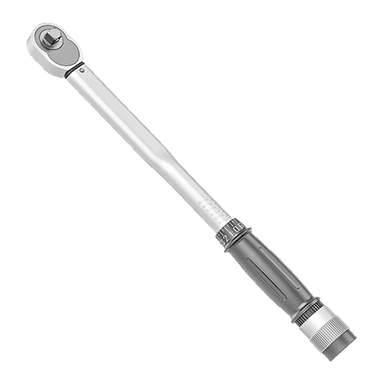
- 🛠️ Torque wrench (5–60 Nm range)
- 🛠️ Flathead screwdriver (small)
- 🛠️ Plastic trim removal tool set
- 🛠️ Fuel line disconnect tool 5/16"
- 🛠️ Pliers (needle-nose)
- 🛠️ Plastic or rubber mallet
- 🛠️ Non-sparking drift/punch (plastic or wood)
- 🛠️ Shop rags
- 🛠️ Drain pan or small fuel-safe container
- 🛠️ Flashlight or LED work light
- 🛠️ Safety glasses
- 🛠️ Nitrile gloves
🔩 Required Parts
HowToo sells all the parts you need for this repair:
- 🔩 Fuel pump module assembly (in-tank) - Qty: 1
- 🔩 Fuel pump module sealing gasket/O-ring - Qty: 1
- 🔩 Fuel pump module lock ring - Qty: 1
- 🔩 Rear seat cushion clips (if damaged) - Qty: 2–4
- 🔩 Electrical contact cleaner spray - Qty: 1
- 🔩 Brake cleaner or suitable solvent (for cleaning surfaces) - Qty: 1
- 🔩 Absorbent pads or oil dry for spilled fuel - Qty: 1 pack
📋 Before You Begin
- 🧾 Park the Rogue on level ground, shift to Park, and set the parking brake.
- 🧾 Turn the ignition OFF and remove the key or key fob from the vehicle.
- 🧾 Open the rear doors for ventilation and keep windows slightly open if possible.
- 🧾 Disconnect the 12V battery negative terminal using a 10mm socket and move the cable aside so it cannot spring back.
- 🧾 Reduce fuel level if possible; a tank around 1/4 full is easier and safer to work on.
🔨 Step-by-Step Instructions
Follow these steps in order:
Step 1: Access the rear seat cushion
- Open both rear doors and locate the lower front edge of the rear seat cushion.
- Pull up sharply at the front corners of the seat cushion to release the retaining clips. You can use a plastic trim removal tool set to help pry if it feels stuck.
- Lift the front of the cushion and slide it forward, then out of the vehicle. Set it in a clean, dry area.
Step 2: Expose the fuel pump service cover
- With the seat cushion removed, locate the metal floor area above the fuel tank. You will see a round or oval access cover held by sealant and/or screws.
- If there are screws, remove them using a 10mm socket and 3/8" drive ratchet.
- Use a plastic trim removal tool set to carefully lift the access cover and peel back any sealant. Do not use sharp metal tools on wiring.
- Set the cover aside and keep debris away from the opening.
Step 3: Clean the area and relieve fuel pressure
- Use a vacuum or dry brush to remove dust and dirt around the pump top. Keep the top of the tank very clean so nothing falls inside.
- Place several shop rags around the fuel lines and electrical connector.
- Even with the 12V battery disconnected, some fuel pressure can remain in the lines. Slowly loosen the fuel line fitting using your fingers or a fuel line disconnect tool 5/16", allowing any pressure to bleed into the rags.
Step 4: Disconnect the electrical connector and fuel lines
- Press the tab on the main electrical connector and pull it straight off by hand. If tight, gently help the tab with a flathead screwdriver (small), but do not pry on the wires.
- For the fuel lines, press the locking tabs on the quick-connect fittings and pull the line straight off the pump nipple. Use the fuel line disconnect tool 5/16" if needed.
- Catch any drips in a drain pan or small fuel-safe container and wipe with shop rags.
Step 5: Remove the pump lock ring
- The pump module is held in by a large plastic or metal lock ring.
- Place a non-sparking drift/punch (plastic or wood) on one of the lock ring tabs.
- Tap the drift counterclockwise using a plastic or rubber mallet to gradually loosen the ring. Work around the ring, moving from tab to tab.
- Once loose, spin the lock ring off by hand and remove it. Note its orientation for reinstallation.
Step 6: Remove the old fuel pump module
- Carefully lift the pump module straight up by its top flange. Fuel will be inside the module, so tilt slowly to avoid spills.
- As you lift, watch for the float arm (fuel level sensor) that hangs off the side. Angle the module as needed to clear the tank opening without forcing it.
- Place the old module in the drain pan or small fuel-safe container to catch fuel.
- Remove the old sealing gasket/O-ring from the tank opening using needle-nose pliers if needed.
Step 7: Prepare the new fuel pump module
- Compare the new module to the old one. Check connector style, fuel line ports, and float arm shape and length.
- Install the new fuel pump module sealing gasket/O-ring on the tank opening. Ensure it sits flat and clean.
- If the new lock ring is separate, make sure it matches the old one in size and tab locations.
Step 8: Install the new fuel pump module
- Lower the new pump module into the tank carefully, guiding the float arm through the opening without bending it.
- Seat the module flange onto the new gasket, aligning any marks or tabs with the tank body. Alignment prevents leaks.
- Place the new lock ring over the module flange and start threading it by hand to avoid cross-threading.
- Using the non-sparking drift/punch (plastic or wood) and plastic or rubber mallet, tap the lock ring clockwise until fully seated and snug, following the orientation marks.
- Use the torque wrench with a suitable adapter if available and tighten the lock ring to the manufacturer specification (Torque to manufacturer spec per service manual).
Step 9: Reconnect fuel lines and electrical connector
- Push each fuel line connector straight onto its matching port until you feel or hear a click. Lightly tug to confirm it is locked.
- Reconnect the electrical connector by pushing it on until it clicks. If corroded, spray lightly with electrical contact cleaner spray and let dry before connecting.
- Wipe any spilled fuel with shop rags and, if needed, clean the area with brake cleaner or suitable solvent.
Step 10: Reinstall the service cover and rear seat
- Reposition the metal access cover over the pump opening.
- If screws were removed, reinstall them using a 10mm socket and 3/8" drive ratchet and tighten evenly (Torque to manufacturer spec per service manual).
- Route any wiring as it was originally so it does not get pinched under the seat.
- Place the rear seat cushion back into the vehicle, sliding the rear edge in first.
- Push down firmly at the front corners until the clips snap into place. If clips were damaged, replace them with new rear seat cushion clips.
Step 11: Reconnect the 12V battery and prime the system
- At the battery, reconnect the negative cable using a 10mm socket and snug the nut (Torque to manufacturer spec per service manual).
- Inside the Rogue, sit in the driver’s seat and keep your foot off the brake pedal.
- Press the START button once to switch to ignition ON (not READY mode on a hybrid). You should hear the fuel pump run for a few seconds to prime the system.
- Turn ignition OFF, then ON again 2–3 times to fully purge air from the fuel lines. Short cycling helps remove air.
Step 12: Start and inspect
- Press the brake and press START to bring the hybrid system to READY and allow the engine to start when commanded.
- Check the rear seat area around the access cover for any fuel smell or visible leaks.
- If you see or smell fuel, shut the vehicle OFF immediately and recheck the lock ring, gasket, and line connections.
✅ After Repair
- ✅ Verify the fuel gauge reads normally and does not jump or behave erratically.
- ✅ Let the engine run until warm while you monitor for leaks and fuel smell around the rear seat area.
- ✅ Take a short test drive, then recheck for fuel smell inside the cabin.
- ✅ If any warning lights appear on the dash, have the codes scanned with an OBD-II scanner.
💰 DIY vs Shop Cost
Shop Cost: $600–$1,000 (parts + labor)
DIY Cost: $200–$400 (parts only)
You Save: $400–$600 by doing it yourself!
Shop labor rates vary but typically run $100–$150/hour. This repair takes a shop approximately 1.5–2.0 hours.
🎯 Ready to get started?
HowToo makes it easy: same-day/2-day shipping on every part, plus all the tools and specialty tools you need! Check out the parts and tools sections above to add everything to your cart.
Guide for External Retaining Ring replace for these Nissan vehicles
| Year Make Model | Sub Model | Engine | Body Style |
|---|---|---|---|
| 2019 Nissan Rogue | - | Inline 4 2.0L | - |
| 2018 Nissan Rogue | - | Inline 4 2.0L | - |
| 2017 Nissan Rogue | - | Inline 4 2.0L | - |