









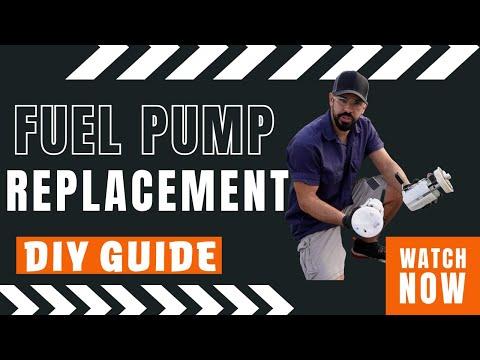





How to Replace the Fuel Pump on a 2016 Honda Odyssey (In-Tank Module Guide)
Step-by-step in-cabin access panel instructions with tools, parts, safety tips, and priming/leak-check steps
How to Replace the Fuel Pump on a 2016 Honda Odyssey (In-Tank Module Guide)
Step-by-step in-cabin access panel instructions with tools, parts, safety tips, and priming/leak-check steps


🔧 Odyssey - Fuel Pump Replacement
The fuel pump on your Odyssey is mounted inside the fuel tank as part of the fuel pump module. Replacement is done from inside the cabin through an access cover, then swapping the module and seal to restore proper fuel pressure and starting performance.
Difficulty Level: Intermediate | Estimated Time: 2-4 hours
Assumption: Your Odyssey has an in-cabin access panel; lock-ring/seal style may vary slightly.
⚠️ Safety & Precautions
- ⚠️ Work in a well-ventilated area; gasoline fumes are highly flammable.
- ⚠️ No smoking, no open flames, and avoid work lights that get hot.
- ⚠️ Relieve fuel pressure before disconnecting lines to prevent fuel spray.
- ⚠️ Disconnect the negative battery cable to reduce fire risk.
- ⚠️ Keep a class B fire extinguisher nearby.
- ⚠️ Clean dirt before opening the tank to prevent contamination.
🔧 Required Tools
You'll need the following tools for this repair:
- 10mm socket
- 1/4" drive ratchet
- 3" extension (1/4")
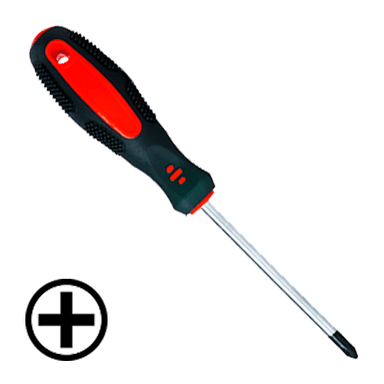
- Phillips screwdriver #2
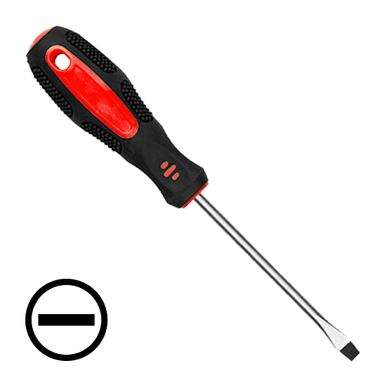
- Flat-blade screwdriver (small)
- Trim/panel removal tool (non-marring)
- Needle-nose pliers
- Brass punch set (specialty)
- Small hammer
- Inch-pound torque wrench (specialty)
- Shop vacuum
- Brake cleaner (non-chlorinated)
- Shop rags
- Catch pan (fuel-safe)
- Nitrile gloves
- Safety glasses
- Fire extinguisher (Class B)
🔩 Required Parts
HowToo sells all the parts you need for this repair:
- Fuel pump module assembly - Qty: 1
- Fuel pump module tank seal/O-ring - Qty: 1
- Fuel pump strainer/sock (if not included with module) - Qty: 1
- Fuel pump lock ring (only if damaged) - Qty: 1
📋 Before You Begin
- Park on level ground, shift to Park, and set the parking brake.
- Open the fuel door to help reduce pressure in the tank.
- Lower the fuel level if possible (easier and less spill risk).
- Have rags and a fuel-safe catch pan ready for small spills.
🔨 Step-by-Step Instructions
Follow these steps in order:
Step 1: Relieve fuel pressure
- Turn ignition OFF and remove the key/fob from the cabin.
- Open the under-hood fuse/relay box and use the cover diagram to locate the Fuel Pump fuse/relay.
- Remove it using needle-nose pliers (pull straight up).
- Start the engine and let it run until it stalls. Crank for 2–3 seconds more, then turn ignition OFF.
- This reduces fuel spray at the line.
Step 2: Disconnect the battery
- Use a 10mm socket to loosen the negative battery terminal and remove it from the battery post.
- Move the cable aside so it cannot spring back onto the terminal.
Step 3: Access the fuel pump service cover
- Inside the cabin, fold/move the second-row seat as needed to expose the floor area above the fuel tank.
- Use a trim/panel removal tool (non-marring) to lift the carpet/trim where the service cover is located.
- Remove the metal access cover fasteners using a 10mm socket or Phillips screwdriver #2 (fastener type varies by cover).
Step 4: Clean the area before opening the tank
- Use a shop vacuum to remove loose dirt around the pump module top.
- Lightly spray a rag with non-chlorinated brake cleaner and wipe the area clean.
- Keeping dirt out prevents pump and injector damage.
Step 5: Disconnect the electrical connector
- Press the connector lock tab and unplug the fuel pump electrical connector by hand.
- If the tab is stubborn, use a flat-blade screwdriver (small) gently to lift the lock (do not pry hard).
Step 6: Disconnect the fuel line(s)
- Place shop rags around the line connection and position a catch pan (fuel-safe) under the opening.
- Release the quick-connect fitting (typically squeeze the tabs and pull the line straight off).
- Use a flat-blade screwdriver (small) only to assist the tabs—do not damage the plastic fitting.
Step 7: Remove the lock ring
- Mark the lock ring and tank with a reference line using a flat-blade screwdriver (small) (scratch mark) so you can reinstall to the same seated position.
- Use a brass punch set (specialty) and small hammer to tap the lock ring counterclockwise until it releases.
- Brass reduces spark risk versus steel.
Step 8: Remove the fuel pump module
- Carefully lift the module upward. Tilt it as needed to clear the float arm (fuel level sender) without bending it.
- Let fuel drain from the module into the tank, then move it to the catch pan (fuel-safe).
- Remove the old tank seal/O-ring from the opening by hand.
Step 9: Install the new seal and new pump module
- Install the new fuel pump module tank seal/O-ring into the groove on the tank opening (make sure it is flat and not twisted).
- Insert the new module into the tank, guiding the float arm carefully.
- Align the module’s index marks/tabs with the tank marks so it seats correctly.
Step 10: Reinstall and secure the lock ring
- Thread/install the lock ring by hand first to avoid cross-binding.
- Use the brass punch set (specialty) and small hammer to tap the lock ring clockwise until fully seated.
- Tighten until the ring is fully locked and your alignment marks match (do not over-tighten; the tank flange can crack).
Step 11: Reconnect fuel line(s) and electrical
- Push the fuel line quick-connect on until it clicks; then pull back lightly to confirm it’s locked.
- Reconnect the electrical connector until it clicks.
Step 12: Reinstall the access cover and interior trim
- Reinstall the service cover and tighten fasteners evenly using a 10mm socket or Phillips screwdriver #2.
- Reposition carpet/trim using the trim/panel removal tool (non-marring).
Step 13: Restore power and prime the system
- Reconnect the negative battery cable using a 10mm socket.
- Reinstall the fuel pump fuse/relay using needle-nose pliers.
- Turn ignition ON (do not start) for 5 seconds, then OFF for 5 seconds. Repeat 3 times to prime the system.
✅ After Repair
- Start the engine and let it idle for 2–3 minutes.
- Inspect the pump top and fuel line connection for leaks (use a flashlight, not an open flame).
- If you smell strong fuel or see wetness, shut the engine off immediately and recheck the lock ring seating and line connection.
- Test drive for 10–15 minutes, then recheck for any fuel smell/leaks again.
💰 DIY vs Shop Cost
Shop Cost: $750-$1,400 (parts + labor)
DIY Cost: $250-$650 (parts only)
You Save: $500-$750 by doing it yourself!
Shop labor rates vary but typically run $100-$150/hour. This repair takes a shop approximately 2-4 hours.
🎯 Ready to get started?
HowToo makes it easy: same-day/2-day shipping on every part, plus all the tools and specialty tools you need! Check out the parts and tools sections below to add everything to your cart.