









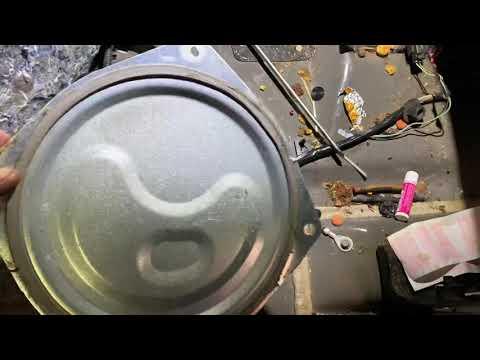







How to Replace the Fuel Pump on a 2016 Ford Edge (In-Tank Pump Module)
Step-by-step DIY instructions with required tools, parts list, safety tips, and priming/leak-check procedure
How to Replace the Fuel Pump on a 2016 Ford Edge (In-Tank Pump Module)
Step-by-step DIY instructions with required tools, parts list, safety tips, and priming/leak-check procedure


🔧 Edge - Fuel Pump Replacement
The fuel pump on your Edge is an in-tank electric pump that supplies fuel pressure to the engine. Replacing it usually means removing the pump module from the top of the fuel tank (often through an access panel under the rear seat) and installing a new sealed module to restore proper fuel delivery.
Difficulty Level: Advanced | Estimated Time: 2-4 hours
⚠️ Safety & Precautions
- 🧯 Work outside or in a very well-ventilated area; fuel vapors ignite easily.
- 🔥 No smoking, no hot lights, no grinding/sparks anywhere near the vehicle.
- 🧤 Wear safety glasses and fuel-resistant gloves; fuel can spray under pressure.
- 🔋 Disconnect the negative battery cable before opening any fuel lines.
- 🧼 Clean the top of the tank/pump area before opening it; dirt in the tank can damage the new pump.
🔧 Required Tools
You'll need the following tools for this repair:
- Safety glasses
- Nitrile gloves
- Fire extinguisher Class B
- 10mm socket
- 1/4" drive ratchet
- 3" extension for 1/4" drive
- Trim removal tool set
- Flat-blade screwdriver
- Fuel line quick-disconnect tool set
- Ford fuel pump lock ring tool (specialty)
- Dead-blow hammer
- Shop vacuum
- Shop towels
- Marker paint pen
- Flashlight
🔩 Required Parts
HowToo sells all the parts you need for this repair:
- Fuel pump module assembly - Qty: 1
- Fuel pump module tank seal (O-ring/gasket) - Qty: 1
- Fuel line retainer clips - Qty: 1 set
📋 Before You Begin
- Park on level ground, set the parking brake, and keep doors open for ventilation.
- Reduce fuel level if possible; a near-empty tank lowers spill risk.
- Relieve fuel pressure: use the fuse/relay chart for your Edge to disable the fuel pump, then start the engine and let it run until it stalls. Crank for 2–3 seconds once more to bleed off remaining pressure.
- Disconnect the battery: use a 10mm socket to remove the negative battery cable and isolate it so it can’t spring back.
- Assumption: your Edge has a rear-seat access panel; if not, the tank must be lowered.
🔨 Step-by-Step Instructions
Follow these steps in order:
Step 1: Remove the rear seat cushion (access to pump area)
- Use a trim removal tool set to release the rear seat cushion retainers (plastic clips that “snap” into the body).
- If bolts are present, remove them with a 10mm socket and 1/4" drive ratchet.
- Lift the cushion out and set it aside.
Step 2: Open the fuel pump access cover
- Use a shop vacuum to remove loose dirt around the access cover area.
- Remove the access cover fasteners using a 10mm socket or flat-blade screwdriver (varies by cover style).
- Lift off the cover and immediately vacuum/clean around the top of the pump module.
Step 3: Disconnect the electrical connector
- Press the connector lock tab and unplug the pump connector by hand.
- If the tab is stubborn, use a flat-blade screwdriver gently to release it. Don’t pry on the wires.
Step 4: Disconnect the fuel lines
- Place shop towels around the line fittings to catch any fuel.
- Use the fuel line quick-disconnect tool set to release each line (this tool slides into the fitting to unlock the internal spring).
- Pull the line straight off; cap/cover the open line ends with clean towels to keep dirt out.
- Remove and replace any broken line retainer clips with the new ones from your parts set.
Step 5: Mark alignment and remove the lock ring
- Use a marker paint pen to mark the relationship between the tank and pump module (helps you install the new one in the correct orientation).
- Install the Ford fuel pump lock ring tool (specialty) on the lock ring.
- Turn the lock ring counterclockwise to unlock it. If needed, use a dead-blow hammer to tap the tool carefully.
- Remove the lock ring and set it aside.
Step 6: Remove the fuel pump module
- Lift the module straight up slowly. Angle it as needed to clear the tank opening without forcing it.
- Let fuel drain from the module back into the tank for a few seconds.
- Remove the old tank seal (O-ring/gasket) by hand and discard it.
Step 7: Install the new seal and fuel pump module
- Wipe the tank sealing surface clean using shop towels.
- Install the new fuel pump module tank seal (O-ring/gasket) into the groove/opening as designed (it must sit flat and not be twisted).
- Lower the new pump module into the tank, aligning it with your paint marks.
- Reinstall the lock ring and use the Ford fuel pump lock ring tool (specialty) to tighten until fully seated and aligned to the lock position marks on the tank/ring.
Step 8: Reconnect fuel lines and electrical connector
- Push each fuel line onto its fitting until you feel/hear a positive “click.”
- Use your hands to gently tug-test each line to confirm it’s locked.
- Plug in the electrical connector until it clicks.
Step 9: Reinstall the access cover and rear seat
- Reinstall the access cover using a 10mm socket or flat-blade screwdriver (match what you removed).
- Reinstall the rear seat cushion and press down firmly to re-engage the retainers; reinstall any bolts using a 10mm socket.
Step 10: Restore power and prime the fuel system
- Reconnect the negative battery cable using a 10mm socket.
- Turn the ignition to ON (do not start) for 5 seconds, then OFF for 10 seconds. Repeat 3–4 times to prime the system.
- Start the engine and let it idle while you check for leaks near the access opening (sniff/visual check only—no open flames).
✅ After Repair
- Verify there are no fuel smells inside the cabin after a short drive.
- Recheck for leaks after the test drive.
- If a check engine light appears, read codes with an OBD2 scanner and address any fuel pressure or evap-related faults.
💰 DIY vs Shop Cost
Shop Cost: $900-$1,600 (parts + labor)
DIY Cost: $250-$650 (parts only)
You Save: $650-$950 by doing it yourself!
Shop labor rates vary but typically run $100-$150/hour. This repair takes a shop approximately 2-4 hours.
🎯 Ready to get started?
HowToo makes it easy: same-day/2-day shipping on every part, plus all the tools and specialty tools you need! Check out the parts and tools sections below to add everything to your cart.