














How to Replace the Fuel Pump on a 2016 BMW X1 (In-Tank LPFP or High-Pressure HPFP)
Step-by-step DIY guide with required tools, parts list, safety tips, fuel pressure relief, and leak checks
How to Replace the Fuel Pump on a 2016 BMW X1 (In-Tank LPFP or High-Pressure HPFP)
Step-by-step DIY guide with required tools, parts list, safety tips, fuel pressure relief, and leak checks


🔧 X1 - Fuel Pump Replacement
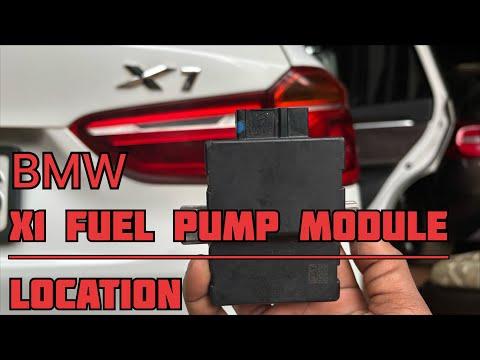
On your X1, “fuel pump” can mean either the in-tank low-pressure fuel pump module (inside the fuel tank) or the engine-mounted high-pressure fuel pump (feeds the direct-injection system). I’ll show both OEM-style procedures so you can follow the one that matches your symptoms/diagnosis.
Difficulty Level: Intermediate | Estimated Time: 1.5–4.0 hours
Assumption: torque specs can vary by build; use BMW service info for exact Nm where noted.
⚠️ Safety & Precautions
- ⚠️ Fuel is extremely flammable—work outside or in strong ventilation, no smoking/sparks.
- ⚠️ Relieve fuel pressure before opening any fuel line to prevent spray.
- ⚠️ Disconnect the battery negative terminal before unplugging the pump or opening the tank.
- ⚠️ Wear safety glasses and fuel-resistant gloves; fuel in eyes is an emergency.
- ⚠️ Keep a Class B fire extinguisher nearby.
- ⚠️ Cleanliness matters: dirt in the tank/lines can damage injectors and the new pump.
🔧 Required Tools
You'll need the following tools for this repair:
- Safety glasses
- Nitrile gloves
- Class B fire extinguisher
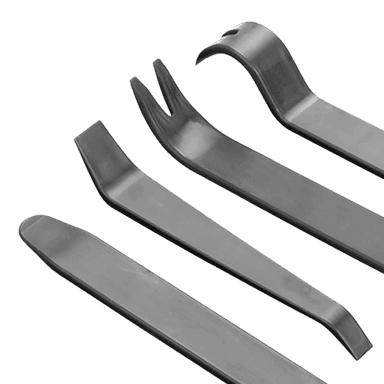
- Trim removal tool set
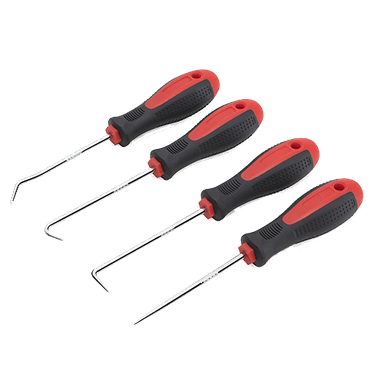
- Pick tool set
- 8mm socket
- 10mm socket
- 13mm socket
- Ratchet 3/8"
- Extension set 3/8"
- Torx bit set
- E-Torx socket set
- Flat-blade screwdriver
- Needle-nose pliers
- Fuel line quick-disconnect tool set
- Fuel pump lock ring tool (specialty)
- Torque wrench (5–60 Nm range)
- Torque wrench (20–200 Nm range)
- Catch pan
- Shop rags
- Hand vacuum pump (specialty)
- OBD-II scan tool with BMW-capable functions (specialty)
- Battery terminal wrench 10mm
- Flashlight
🔩 Required Parts
HowToo sells all the parts you need for this repair:
- Low-pressure in-tank fuel pump module - Qty: 1
- Fuel pump module seal O-ring - Qty: 1
- High-pressure fuel pump - Qty: 1
- High-pressure fuel line (pump to rail) - Qty: 1
- High-pressure pump mounting bolts - Qty: 1 set
- Low-pressure fuel line sealing rings/clips - Qty: 1 set
- Brake cleaner - Qty: 1
- Dielectric grease - Qty: 1
📋 Before You Begin
- Park on level ground, set the parking brake, and keep windows down (helps if the car locks itself).
- Open the fuel door to reduce tank pressure.
- Disconnect the battery negative terminal using a 10mm socket and ratchet.
- Relieve fuel pressure: remove the fuel pump fuse/relay (if accessible) and crank 3–5 seconds, or use your OBD-II scan tool with BMW-capable functions (specialty) to command fuel pump off and run the engine until it stalls.
- Have rags ready—some fuel will still drip.
🔨 Step-by-Step Instructions
Follow these steps in order:
Step 1: Identify which pump you’re replacing
- If the pump is under the rear seat: follow Steps 2–8 (low-pressure in-tank module).
- If the pump is on the engine with a metal high-pressure line: follow Steps 9–16 (high-pressure pump).
Step 2: Access the in-tank fuel pump module (rear seat area)
- Use a trim removal tool set to release the rear seat cushion clips and lift the cushion out.
- Use a Torx bit with a ratchet 3/8" to remove the access cover fasteners (if equipped).
- Use a flashlight to locate the pump top plate, electrical connector, and quick-connect fuel lines.
Step 3: Clean the area before opening the tank
- Use shop rags to wipe loose dirt away.
- Spray a rag with brake cleaner and wipe around the lock ring and fittings.
- Clean first—dirt inside the tank is a big deal.
Step 4: Disconnect electrical connector and fuel lines
- Use a pick tool to lift the connector lock tab, then unplug the pump connector.
- Use a fuel line quick-disconnect tool set to release the fuel line(s). (A quick-disconnect tool is a small plastic/metal collar that releases the internal spring clip.)
- Catch fuel drips with a catch pan and shop rags.
Step 5: Remove the fuel pump lock ring
- Mark the lock ring and tank with a paint marker (use a flat-blade screwdriver to scratch a tiny alignment mark if needed).
- Use a fuel pump lock ring tool (specialty) with a ratchet 3/8" to loosen and remove the lock ring.
- Torque on install: per BMW specification
Step 6: Remove the pump module and seal
- Carefully lift the module out by hand; tilt as needed to clear the level sender float.
- Use a pick tool to remove the old seal O-ring from the tank opening.
- Place the module in a catch pan to avoid fuel spills.
Step 7: Install the new pump module
- Lightly lubricate the new seal with clean gasoline on a shop rag, then seat the new O-ring in the tank groove.
- Lower the new module in, keeping the float arm from bending.
- Install the lock ring by hand first, then tighten using the fuel pump lock ring tool (specialty).
- Torque: per BMW specification
Step 8: Reconnect lines, close access cover, reinstall seat
- Reconnect the fuel lines until they click; tug-check by hand.
- Reconnect the electrical connector; apply a tiny amount of dielectric grease if the seal looks dry.
- Reinstall the access cover using the Torx bit and ratchet 3/8". Torque: per BMW specification
- Reinstall the rear seat cushion by aligning the hooks, then push down firmly until it snaps in.
Step 9: Access the high-pressure fuel pump (engine bay)
- Remove the engine cover by pulling upward firmly by hand (it’s held by rubber grommets).
- Use a Torx bit and ratchet 3/8" to remove any intake ducting/charge pipe brackets blocking access (varies by layout). Torque: per BMW specification
- Identify the high-pressure pump on the cylinder head with a metal line going to the fuel rail.
Step 10: Relieve high-pressure fuel safely
- Use an OBD-II scan tool with BMW-capable functions (specialty) to run a fuel pressure bleed-down/service function if available.
- If your scan tool supports it, use a hand vacuum pump (specialty) on the low-pressure side test port (if equipped) to minimize spill before cracking lines.
- Never “just crack” a high-pressure line cold.
Step 11: Disconnect electrical connector and low-pressure feed line
- Unplug the pump electrical connector using a pick tool to release the lock.
- Disconnect the low-pressure quick-connect line using the fuel line quick-disconnect tool set.
- Catch fuel with a catch pan and shop rags.
Step 12: Remove the high-pressure line (pump to rail)
- Use the correct open-end wrench from your tool set (or crowfoot flare-nut wrench (specialty) if available) to loosen the high-pressure line fittings.
- Remove the line and discard it (BMW high-pressure lines are typically one-time use for sealing reliability).
- Torque on install: per BMW specification
Step 13: Remove the high-pressure pump
- Use an E-Torx socket with a ratchet 3/8" and extension to remove the pump mounting bolts.
- Pull the pump straight out; a small amount of resistance is normal from the cam follower/spring load.
- Torque on install: per BMW specification
Step 14: Install the new high-pressure pump
- Ensure the mounting surface is clean; wipe with a shop rag.
- Position the new pump and start bolts by hand to prevent cross-threading.
- Tighten evenly using the E-Torx socket and torque wrench. Torque: per BMW specification
Step 15: Install a new high-pressure line and reconnect low-pressure line
- Install the new high-pressure line by hand-threading both ends first.
- Tighten using the proper open-end wrench (or crowfoot flare-nut wrench (specialty)) and finish with a torque wrench. Torque: per BMW specification
- Reconnect the low-pressure quick-connect line until it clicks; tug-check by hand.
- Reconnect the electrical connector.
Step 16: Reassemble intake/engine cover
- Reinstall any brackets/ducts removed using the Torx bit and ratchet 3/8". Torque: per BMW specification
- Push the engine cover back onto its grommets by hand.
✅ After Repair
- Reconnect the battery negative terminal using a 10mm socket. Torque: per BMW specification
- Prime the system: turn ignition ON (engine OFF) for 10 seconds, OFF for 10 seconds, repeat 3–4 times.
- Start the engine and let it idle; inspect for leaks at every fitting you touched.
- Use the OBD-II scan tool with BMW-capable functions (specialty) to clear any fuel-pressure faults and verify rail pressure is stable.
- If you smell strong fuel inside the cabin after an in-tank pump job, recheck the seal seating and lock ring alignment.
💰 DIY vs Shop Cost
Shop Cost: $900–$2,200 (parts + labor)
DIY Cost: $250–$1,200 (parts only)
You Save: $650–$1,000+ by doing it yourself!
Shop labor rates vary but typically run $100-$150/hour. This repair takes a shop approximately 1.5–4.0 hours.
🎯 Ready to get started?
HowToo makes it easy: same-day/2-day shipping on every part, plus all the tools and specialty tools you need! Check out the parts and tools sections below to add everything to your cart.