









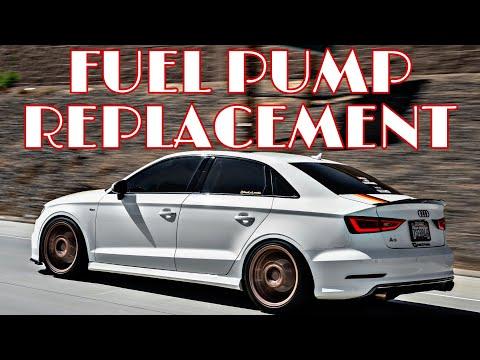





How to Replace the Fuel Pump on a 2016 Audi A3 (In-Tank & High-Pressure)
Step-by-step instructions for both pumps with tools, parts list, safety tips, priming steps, and leak checks
How to Replace the Fuel Pump on a 2016 Audi A3 (In-Tank & High-Pressure)
Step-by-step instructions for both pumps with tools, parts list, safety tips, priming steps, and leak checks


🔧 A3 - Fuel Pump Replacement
Your A3 uses two fuel pumps: a low-pressure in-tank pump (under the rear seat) that feeds fuel forward, and a high-pressure pump (on the engine) that makes the very high pressure the direct-injection system needs. The steps are different, so I’m giving you both paths—use the one that matches the pump you’re replacing.
Difficulty Level: Intermediate | Estimated Time: 1.5-3.5 hours
⚠️ Safety & Precautions
- ⚠️ Work outside or in a well-ventilated area; fuel vapors ignite easily.
- ⚠️ No smoking, sparks, or hot work lights; use an LED light.
- ⚠️ Keep a Class B fire extinguisher within reach.
- ⚠️ Wear safety glasses and fuel-resistant gloves; fuel in eyes burns.
- ⚠️ Disconnect the negative battery terminal before opening the fuel system.
- ⚠️ Relieve fuel pressure before disconnecting lines; the high-pressure side can spray fuel forcefully.
- ⚠️ Cleanliness matters: dirt in the fuel system can damage injectors.
🔧 Required Tools
You'll need the following tools for this repair:
- 10mm socket
- 13mm socket
- 3/8" ratchet
- 3/8" torque wrench
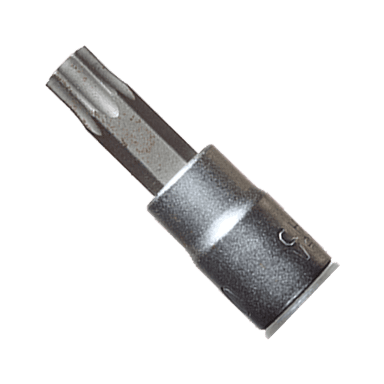
- Torx T25 bit
- Pick tool
- Trim removal tool
- Flat-blade screwdriver
- Needle-nose pliers
- Fuel line disconnect tool set
- Fuel pump lock ring tool (specialty)
- Shop towels
- Drain pan
- Painter’s tape
- Permanent marker
- Hand vacuum pump (specialty)
- OBD2 scan tool with VAG functions (specialty)
- Nitrile gloves
- Safety glasses
🔩 Required Parts
HowToo sells all the parts you need for this repair:
- Low-pressure fuel pump module (in-tank) - Qty: 1
- Fuel pump module seal/O-ring - Qty: 1
- Fuel pump lock ring (if damaged) - Qty: 1
- High-pressure fuel pump (engine-mounted) - Qty: 1
- High-pressure fuel pump O-ring/seal kit - Qty: 1
- High-pressure fuel line sealing washers/O-rings (if applicable) - Qty: 1
- New one-time-use bolts for HPFP (if equipped) - Qty: 1 set
📋 Before You Begin
- Park on level ground, set the parking brake, and open the windows (helps vent fumes).
- Remove the key from the vehicle and keep it away from the car while working.
- Disconnect the battery: use a 10mm socket to remove the negative (-) terminal and isolate it so it can’t spring back.
- Plan to keep the area clean: place shop towels around openings before you disconnect anything.
- Work with a low fuel tank if possible.
🔨 Step-by-Step Instructions
Follow these steps in order:
Step 1: Identify which pump you’re replacing
- If you’re working under the rear seat, you’re doing the low-pressure in-tank pump.
- If you’re working on the engine near the top/front area with a metal fuel line, you’re doing the high-pressure pump.
- Use painter’s tape and a permanent marker to label connectors/hoses before removal.
Step 2: Relieve fuel pressure (recommended for both paths)
- Remove the fuel filler cap to reduce tank vapor pressure.
- For the engine side: place shop towels around the high-pressure line connection before loosening anything.
- If you have a OBD2 scan tool with VAG functions (specialty), run the fuel pump output test to stop/prime as needed after reassembly.
- Go slow—fuel spray is the main risk here.
Step 3A: Low-pressure in-tank pump access (rear seat area)
- Use a trim removal tool to lift/remove the rear seat bottom cushion (release points are at the front edge of the cushion).
- Use a Torx T25 bit and 3/8" ratchet to remove the access cover fasteners (if equipped).
- Clean the area thoroughly with shop towels so dirt can’t fall into the tank.
Step 4A: Disconnect electrical connector and fuel lines (in-tank module)
- Unplug the pump electrical connector using a pick tool to lift the lock tab (don’t break the tab).
- Place a drain pan under the opening and wrap connections with shop towels.
- Use a fuel line disconnect tool set (a small plastic/metal collar tool that releases quick-connect fittings) to disconnect the fuel lines.
Step 5A: Remove the lock ring and pull the pump module
- Use the fuel pump lock ring tool (specialty) to loosen and remove the lock ring.
- Lift the pump module straight up carefully; tilt as needed to clear the float arm (the float reads fuel level).
- Remove and discard the old module seal/O-ring from the tank opening using a pick tool.
Step 6A: Install new in-tank pump module
- Lightly wet the new seal with clean fuel, then install the new module seal/O-ring into the tank groove.
- Lower the new pump module in carefully (don’t bend the float arm).
- Install the lock ring and tighten using the fuel pump lock ring tool (specialty).
- Torque to factory specification using a 3/8" torque wrench if your lock ring tool supports torque.
Step 7A: Reconnect lines, connector, and close up
- Reconnect fuel lines until they click; tug lightly to confirm they’re locked.
- Reconnect the electrical connector until it clicks.
- Reinstall the access cover using a Torx T25 bit and 3/8" ratchet, then reinstall the rear seat cushion.
Step 3B: High-pressure fuel pump access (engine-mounted)
- Open the hood and remove the engine cover (pull upward by hand; if it’s fastened, use a trim removal tool).
- Place shop towels around the pump and fuel line connections to catch fuel.
Step 4B: Disconnect electrical connector and low-pressure feed line (HPFP)
- Unplug the pump electrical connector using a pick tool to lift the lock tab.
- Disconnect the low-pressure feed line using needle-nose pliers (for clamps) or a fuel line disconnect tool set (for quick-connect), depending on your connector style.
Step 5B: Remove the high-pressure metal line safely
- Use the correct size wrench/socket for the line fitting (varies by fitting style), and loosen slowly while holding a shop towel over the joint.
- Once loose, remove the line and keep its ends clean (wrap with shop towels).
- Do not bend the metal line.
Step 6B: Unbolt and remove the high-pressure pump
- Use the appropriate socket (commonly 10mm socket or 13mm socket) with a 3/8" ratchet to remove the pump mounting bolts.
- Pull the pump straight away from the engine. There is spring pressure, so keep it square as it comes out.
- Remove old seals/O-rings with a pick tool and discard them.
Step 7B: Install the new high-pressure pump
- Install new seals/O-rings from the high-pressure fuel pump O-ring/seal kit.
- Set the pump in place straight and start bolts by hand to avoid cross-threading.
- Tighten mounting bolts evenly using a 3/8" torque wrench: Torque to factory specification.
- Reinstall the high-pressure metal line and tighten using a 3/8" torque wrench if applicable: Torque to factory specification.
- Reconnect the low-pressure line and electrical connector until they click/lock.
Step 8: Prime the fuel system (both paths)
- Reconnect the battery negative terminal using a 10mm socket: Torque to factory specification.
- Turn ignition ON (do not start) for 10 seconds, then OFF for 10 seconds; repeat 3–4 times to prime.
- If you have a OBD2 scan tool with VAG functions (specialty), run the fuel pump prime/output test to fill the system.
- Check carefully for leaks before starting.
Step 9: Start and inspect
- Start the engine and let it idle for 2–3 minutes.
- Inspect all connections with an LED light and shop towels for wetness.
- If you smell strong fuel or see seepage, shut it off and recheck the connection seating.
✅ After Repair
- Road-test for 10–15 minutes, then recheck for leaks again.
- If a check engine light appears, use an OBD2 scan tool with VAG functions (specialty) to read/clear codes after confirming no leaks.
- Dispose of fuel-soaked towels safely (outside, away from ignition sources) per local rules.
💰 DIY vs Shop Cost
Shop Cost: $500-$1,400 (parts + labor)
DIY Cost: $180-$850 (parts only)
You Save: $320-$550+ by doing it yourself!
Shop labor rates vary but typically run $100-$150/hour. This repair takes a shop approximately 1.5-3.0 hours.
🎯 Ready to get started?
HowToo makes it easy: same-day/2-day shipping on every part, plus all the tools and specialty tools you need! Check out the parts and tools sections below to add everything to your cart.