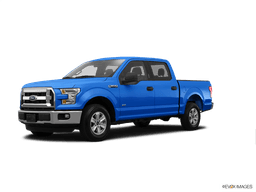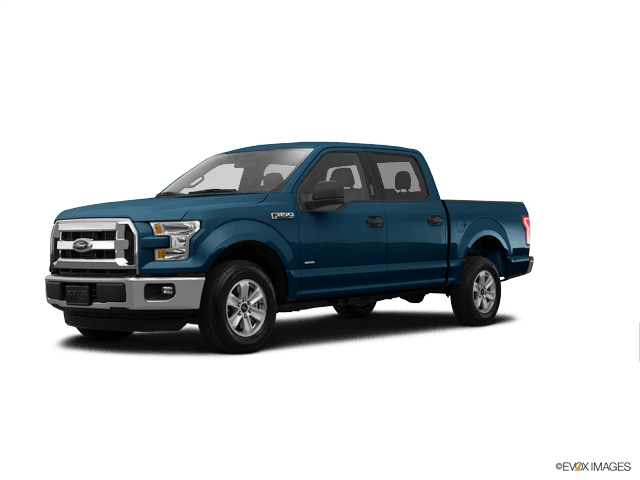















How to Replace the Fuel Pump on a 2015-2017 Ford F-150 (Step-by-Step DIY) (Engine: V8 5.0L)
Detailed 2015 F-150 fuel pump module replacement with tools, parts list, torque specs, and safety tips for home mechanics
How to Replace the Fuel Pump on a 2015-2017 Ford F-150 (Step-by-Step DIY) (Engine: V8 5.0L)
Detailed 2015 F-150 fuel pump module replacement with tools, parts list, torque specs, and safety tips for home mechanics for 2015, 2016, 2017


F-150 - Fuel Pump Replacement ⛽
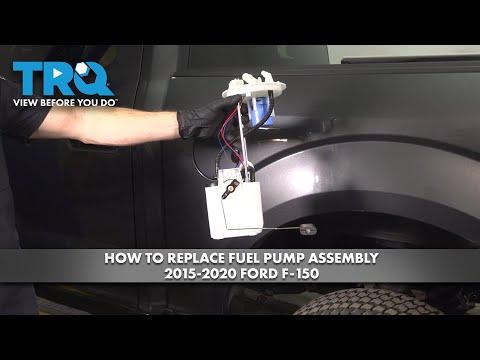
On your F-150, the main fuel pump is part of the fuel pump module inside the fuel tank. The safest way is to lower the tank. (Some people lift the bed, but that’s more awkward for a beginner.)
Important: You’re working with gasoline and a heavy tank. Take your time, work outside or in a very well‑ventilated area, and have a helper if possible.
Safety First ⚠️
- 🧯 No sparks or flames: No smoking, no grinding, no open flame near the truck.
- 🧤 Wear protection: Safety glasses and fuel‑resistant gloves.
- 🧱 Support the truck: Use a floor jack and jack stands (metal stands that safely hold the truck up). Never rely on the jack alone.
- 🛢️ Work with low fuel: Try to have less than 1/4 tank. The tank is much lighter.
Parts You’ll Need 📦
- 🧩 Fuel pump module assembly (complete unit for your 2015 F-150 5.0L, flex fuel, 4WD)
- 🧩 New tank seal/O-ring (usually comes with the pump; always replace)
- 🧽 Optional: New fuel filter if external (many are in-tank on this truck)
Tools You’ll Need 🛠️
- 🔧 Socket set (metric): 8mm, 10mm, 13mm, 15mm, 18mm sockets; ratchet; short extensions
- 🔩 Wrenches (metric): 10mm, 13mm, 15mm
- 🪛 Flat screwdriver and trim tool (plastic prying tool for clips)
- 🧰 Fuel line disconnect tools (plastic rings that release quick-connect fuel fittings; Ford 3/8" & 5/16")
- 🛞 Floor jack and jack stands
- 🪜 Transmission jack or wide wood board on a floor jack (to support the fuel tank)
- 🧴 Penetrating oil (for rusty bolts)
- 🧲 Fuel pump lock ring tool or brass punch + hammer (brass punch is a soft metal punch used to tap the ring without sparks)
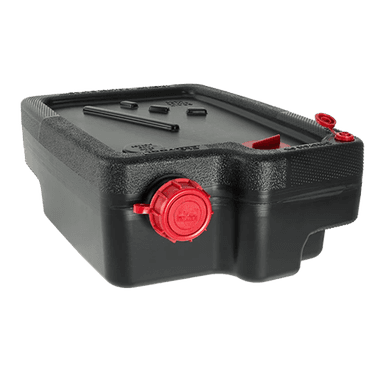
- 🧼 Rags and a small drain pan (to catch any fuel drips)
- 🔦 Good work light
- 📟 Scan tool (optional, to clear any codes after)
Key Torque Specs 🔩
- 🧷 Fuel tank strap bolts: ~30–35 lb-ft (40–47 N·m)
- 🧷 Fuel pump lock ring: Tap until fully seated and aligned with tank marks (no specific torque; follow alignment marks)
- 🧷 Skid plate bolts (if equipped): ~18–22 lb-ft (24–30 N·m)
Step 1 – Depressurize the Fuel System ⬇️
- 🔌 Disconnect the negative battery cable (10mm) at the battery. This prevents sparks and accidental starts.
- 📦 Locate the fuel pump relay/fuse in the under-hood fuse box (check the lid diagram for “fuel pump” or “FP”). Pull that fuse/relay out.
- 🔑 Reconnect the negative battery cable temporarily, start the engine, and let it run until it stalls. This uses up pressure in the fuel lines.
- 🔁 Crank it a couple more times; it should not start. Then disconnect the negative battery cable again.
Step 2 – Raise and Support the Truck 🛞
- 🧱 Park on level ground, set the parking brake, and chock the front wheels (blocks behind tires).
- 🛠️ Use the floor jack under the rear axle to lift the rear of the truck.
- 🧱 Place jack stands under the frame rails on both sides. Lower the truck onto the stands and gently shake the truck to confirm it’s stable.
Step 3 – Access the Fuel Tank Area 🛢️
- 🛡️ If your F-150 has a fuel tank skid plate (metal shield under the tank), remove it:
- Remove the bolts (usually 13mm or 15mm).
- Support the plate as you remove the last bolts; it’s heavier than it looks.
- 🧴 Spray the tank strap bolts and any visible fasteners with penetrating oil to make removal easier.
Step 4 – Disconnect Filler Neck & Vent Hoses ⛽
- 🧵 The filler neck is the pipe where you put the fuel nozzle. It connects to the tank with rubber hoses.
- 🔍 At the rear of the tank, locate:
- Large hose (filler hose)
- Smaller hose (vent hose)
- 🪛 Use a flat screwdriver or 8mm socket to loosen the hose clamps.
- 🤏 Gently twist and pull the hoses off the tank fittings. If stuck, carefully pry around the edge with the screwdriver. Don’t tear the hose.
Step 5 – Support the Fuel Tank 🧱
- 🛠️ Place a floor jack with a wide wood board (to spread the load) under the center of the tank.
- ⬆️ Raise the jack just enough to support the tank’s weight, not to lift the truck.
Step 6 – Remove Fuel Tank Straps & Lower Tank Partway 📉
- 🔩 Remove the rear tank strap bolts (usually 13mm or 15mm). There are typically two straps.
- 🪜 Slowly lower the jack a little so the tank drops a few inches. Do not drop it all the way yet.
- 🔍 As you lower, watch for:
- Electrical connectors on top of the tank
- Fuel lines going to the pump module
Step 7 – Disconnect Fuel Lines & Electrical Connectors 🔌
- 🔦 With the tank lowered a bit, reach above it to find the fuel pump module connections.
- 🔌 Unplug the electrical connector(s) by pressing the tab and pulling straight off.
- 🧰 Use the fuel line disconnect tools:
- Slide the correct size tool into the quick-connect fitting where the line meets the pump module.
- Push the tool in to release the internal spring, then pull the line off the fitting.
- Have a rag ready; a little fuel will drip.
Step 8 – Lower and Remove the Tank 🛢️
- ⬇️ Once all lines and connectors are free, lower the jack slowly until the tank is clear.
- 🤝 Slide the tank out from under the truck. This is easier with a helper.
Step 9 – Remove the Fuel Pump Module 🔧
- 🧽 Clean the top of the tank around the pump area with a brush and rag so dirt doesn’t fall inside.
- 🔁 The pump is held by a lock ring (round metal ring).
- Use a fuel pump lock ring tool or a brass punch and hammer.
- Tap the ring counterclockwise until it loosens and can be removed.
- ⬆️ Lift the pump module straight up. Tilt slightly to get the float arm out without bending it.
- 🧩 Remove the old O-ring seal from the tank opening.
Step 10 – Install the New Fuel Pump Module 🆕
- 🧽 Wipe the tank sealing surface clean.
- 🧩 Place the new O-ring in the groove on the tank.
- ⬇️ Carefully lower the new pump module into the tank, guiding the float arm in without forcing it.
- 📐 Align the pump module with any marks or tabs on the tank (orientation matters for the lines and connector).
- 🔁 Install the lock ring and tap it clockwise with the tool or brass punch until it’s fully seated and aligned with the tank marks.
Step 11 – Reinstall the Tank 🔄
- 🛠️ Slide the tank back under the truck and position it on the jack/board.
- ⬆️ Raise the tank slowly until you can reach the top.
- 🔌 Reconnect:
- Electrical connector(s)
- Fuel lines (push until you feel/hear a click; tug gently to confirm they’re locked)
- ⬆️ Raise the tank fully into place.
- 🔩 Reinstall the tank straps and tighten strap bolts to about 30–35 lb-ft.
- 🧵 Reattach the filler hose and vent hose to the tank and tighten the clamps.
- 🛡️ Reinstall the skid plate if equipped; tighten bolts to about 18–22 lb-ft.
Step 12 – Final Checks & Priming the System ✅
- 🧱 Remove jack stands and lower the truck back to the ground.
- 🔌 Reinstall the fuel pump fuse/relay in the fuse box.
- 🔋 Reconnect the negative battery cable (10mm).
- 🔑 Turn the key to ON (run) for 5 seconds, then back to OFF. Do this 3–4 times to prime the fuel system (build pressure).
- 🚗 Start the engine. It may crank a bit longer the first time, then should settle into a smooth idle.
- 🔍 Check under the truck for any fuel leaks around the tank and lines.
Extra Tips 💡
- 🧪 If the truck still has issues after replacement, scan for codes; sometimes a wiring or connector problem can mimic a bad pump.
- 🧯 Keep a fire extinguisher rated for fuel fires nearby whenever working with gasoline.
If you tell me whether you’re working on the truck on the ground or have access to a lift, I can tweak these steps and tool suggestions to match your setup even better.
HowToo makes it easy: below this answer you’ll see fuel pump modules, new seals, fuel line tools, and any specialty tools you need. You can add them to your cart right from the parts section for fast shipping!
Guide for Fuel Pump and Sender Assembly replace for these Ford vehicles
| Year Make Model | Sub Model | Engine | Body Style |
|---|---|---|---|
| 2017 Ford F-150 | - | V6 3.5L | - |
| 2017 Ford F-150 | - | V8 5.0L | - |
| 2016 Ford F-150 | - | V6 3.5L | - |
| 2016 Ford F-150 | - | V8 5.0L | - |
| 2015 Ford F-150 | - | V6 3.5L | - |
| 2015 Ford F-150 | - | V8 5.0L | - |