









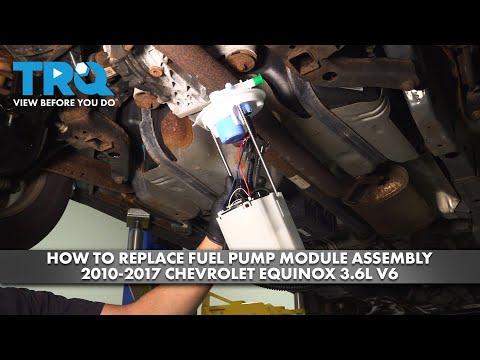





How to Replace the Fuel Pump on a 2014 Chevrolet Equinox
Step-by-step in-tank fuel pump module replacement with tools, parts list, torque specs, safety tips, and cost savings
How to Replace the Fuel Pump on a 2014 Chevrolet Equinox
Step-by-step in-tank fuel pump module replacement with tools, parts list, torque specs, safety tips, and cost savings


🔧 Equinox - Fuel Pump Module Replacement
You’ll be replacing the in-tank fuel pump module, which sits inside the fuel tank under the rear seat. On your Equinox, there is an access cover, so you do NOT need to drop the fuel tank.
Difficulty Level: Intermediate | Estimated Time: 2–3 hours
⚠️ Safety & Precautions
- ⚠️ Work in a very well-ventilated area; fuel vapors can ignite easily.
- ⚠️ Keep all sparks, cigarettes, heaters, and open flames far away from the vehicle.
- ⚠️ Disconnect the negative battery cable before opening the fuel system.
- ⚠️ Wear safety glasses and fuel-resistant gloves; fuel can irritate skin and eyes.
- ⚠️ Do not use power tools that can spark near open fuel; use hand tools only at the pump opening.
- ⚠️ Relieve fuel pressure before disconnecting fuel lines to reduce spraying fuel.
- ⚠️ Clean around the pump area before opening to prevent dirt from falling into the tank.
🔧 Required Tools
You'll need the following tools for this repair:
- 🛠️ 10mm socket
- 🛠️ 13mm socket
- 🛠️ Ratchet handle (3/8" drive)
- 🛠️ 3/8" drive extension (3-6")
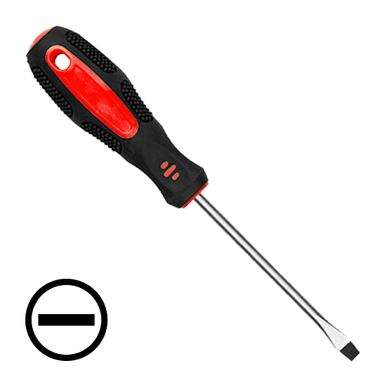
- 🛠️ Flathead screwdriver (medium size)
- 🛠️ Fuel line disconnect tool set (GM style) (specialty)
- 🛠️ Fuel pump lock ring tool (GM tank ring tool) (specialty)
- 🛠️ Plastic trim removal tool
- 🛠️ Torque wrench (5–80 ft-lbs range)
- 🛠️ Shop rags
- 🛠️ Plastic drain pan or container (fuel-safe)
- 🛠️ Flashlight or work light (non-sparking, LED)
- 🛠️ Safety glasses
- 🛠️ Nitrile or fuel-resistant gloves
🔩 Required Parts
HowToo sells all the parts you need for this repair:
- 🔩 Fuel pump module assembly (with fuel level sensor) - Qty: 1
- 🔩 Fuel pump module seal / tank gasket - Qty: 1
- 🔩 Fuel pump lock ring - Qty: 1
- 🔩 Fuel line retaining clips (GM, for pump top) - Qty: 2–4
- 🔩 Electrical contact cleaner (spray) - Qty: 1
- 🔩 Shop towels / absorbent pads - Qty: 1 pack
📋 Before You Begin
- Park the Equinox on level ground, shift to Park, and set the parking brake.
- Let the engine cool if it was running; cooler fuel is safer to work with.
- Try to do this job with the fuel tank as low as possible (¼ tank or less); it’s safer and reduces spillage.
- Open all doors or at least the rear doors for good ventilation inside the cabin.
- Disconnect the negative battery cable using a 10mm socket and move the cable aside so it cannot spring back.
- Have a metal-safe container ready for any fuel you need to catch or transfer.
🔨 Step-by-Step Instructions
Follow these steps in order:
Step 1: Relieve Fuel System Pressure
- Fuel pressure relief means removing built-up pressure in the fuel lines so fuel does not spray when opened.
- With the battery still connected at this point, remove the fuel pump fuse or relay from the underhood fuse box using your plastic trim removal tool as a lever if needed. The cover diagram shows the fuel pump fuse/relay.
- Start the engine and let it run until it stalls; crank it again for a few seconds to use up remaining pressure.
- Turn the key off and remove it.
- Now disconnect the negative battery cable with a 10mm socket.
Step 2: Access the Fuel Pump Under the Rear Seat
- Fold the rear seatbacks forward to give more room.
- The rear seat cushion is usually held by front hooks and sometimes bolts at the rear. Gently lift the front edge of the seat cushion by hand; use a plastic trim removal tool to help pop any clips if needed.
- If you see bolts at the back of the seat cushion, remove them with a 13mm socket and ratchet.
- Lift the seat cushion out of the car and set it aside.
- You should now see a round metal access cover with screws or adhesive over the fuel pump opening.
Step 3: Remove the Access Cover
- Use a flathead screwdriver to gently pry up the metal or plastic access cover.
- If it is sealed with butyl or adhesive, work the flathead screwdriver slowly around the edge to avoid bending the cover too much.
- Set the cover aside; you now see the top of the fuel pump module, fuel lines, and electrical connector.
Step 4: Clean the Area Around the Pump
- Use shop rags to wipe dust and dirt away from the pump top, lines, and lock ring.
- Use a flashlight to carefully inspect for any loose debris.
- Keep tank opening as clean as possible.
Step 5: Disconnect the Electrical Connector
- The electrical connector powers the pump and the fuel gauge sender.
- Press the locking tab on the connector and pull it straight off by hand; if stubborn, gently assist with a flathead screwdriver but do not pry hard on the plastic.
- If contacts look dirty, use a small amount of electrical contact cleaner.
Step 6: Disconnect Fuel Lines
- Fuel lines may use quick-connect fittings. These have a plastic clip or internal spring that locks onto a small ridge on the pump outlet.
- Place shop rags around the fittings and a plastic drain pan under the area to catch any fuel.
- If there are external plastic clips, carefully pop them off with a flathead screwdriver and replace with new clips later.
- Use the fuel line disconnect tool set sized to fit the line. Slide the tool into the fitting to release the internal spring, then pull the line straight off.
- Cap or wrap the open line ends in clean rags to keep dirt out.
Step 7: Remove the Fuel Pump Lock Ring
- The lock ring is the large metal ring that holds the pump down to the tank.
- Use the fuel pump lock ring tool with your ratchet handle to turn the ring counterclockwise to unlock it.
- If you do not have the special tool, you can use a flathead screwdriver and a small hammer to tap the ring loose, but this is less safe and can damage the ring; the proper tool is strongly recommended.
- Once loose, lift the lock ring off and set it aside.
Step 8: Remove the Old Fuel Pump Module
- Gently lift the pump assembly straight up by hand.
- There will be a float arm attached (this measures fuel level). Tilt the pump as needed to carefully get the float out of the tank opening without bending it.
- Let fuel drain from the module into your plastic drain pan.
- Remove and discard the old tank gasket/seal from the tank opening.
Step 9: Prepare the New Fuel Pump Module
- Compare the new module to the old one to make sure the connections, height, and float shape all match.
- Install the new tank gasket/seal into the groove around the tank opening by hand.
- Make sure gasket sits flat all around.
Step 10: Install the New Fuel Pump Module
- Carefully lower the new pump module into the tank by hand, guiding the float arm through the opening.
- Align the locating tab on the pump flange with the matching notch on the tank. This ensures the fuel line and connector face the right direction.
- Hold the pump down so it compresses the gasket evenly.
Step 11: Install and Torque the Lock Ring
- Place the new or cleaned lock ring over the pump flange.
- Use the fuel pump lock ring tool and ratchet handle to turn the ring clockwise until locked in place.
- If torque is specified on your service info, use a torque wrench set to: Torque to 55 Nm (41 ft-lbs).
- Do not overtighten; you can damage the tank.
Step 12: Reconnect Fuel Lines and Electrical Connector
- Remove any caps or rags from the fuel lines.
- Push the fuel lines straight onto the pump fittings until you feel or hear a click.
- Install new fuel line retaining clips by hand; confirm they are fully seated.
- Reconnect the electrical connector by pushing it on until it clicks.
- Gently tug on each connection by hand to verify it is locked.
Step 13: Reinstall Access Cover and Rear Seat
- Place the access cover back over the pump opening by hand.
- If screws are present, tighten them with a 10mm socket and ratchet; snug only, no specific torque needed, just firm.
- Reinstall the rear seat cushion: slide the rear hooks in first, then press the front downward to lock clips.
- If bolts were removed, install them with a 13mm socket and torque wrench to about Torque to 45 Nm (33 ft-lbs).
Step 14: Reconnect Battery and Prime the System
- Reconnect the negative battery cable using a 10mm socket and torque wrench. Snug it firmly; typical clamp torque is around Torque to 5 Nm (4 ft-lbs) (do not overtighten).
- Reinstall the fuel pump fuse or relay in the underhood fuse box by hand.
- Turn the ignition key to ON (do not start) for about 5–10 seconds. You should hear the pump run briefly.
- Turn the key OFF. Repeat this ON–OFF cycle 2–3 times to prime the fuel system.
Step 15: Start the Engine and Check for Leaks
- Start the engine and let it idle.
- Use a flashlight to look around the pump area (through the access opening if seat is still up) and check for any signs of fuel leakage.
- If no leaks are present, reinstall the access cover fully and make sure the interior is dry and clean.
- If you see or smell fuel, shut engine off immediately.
✅ After Repair
- 🧪 Verify the fuel gauge reads correctly and changes as you drive and add fuel.
- 🧪 Take a short test drive, then recheck for fuel smells inside and outside the vehicle.
- 🧪 If the check engine light comes on, have codes scanned and clear any fuel-related temporary codes once you confirm no leaks.
- 🧪 Dispose of any spilled fuel and fuel-soaked rags according to local regulations; do not throw them in normal trash while wet.
💰 DIY vs Shop Cost
Shop Cost: $650–$900 (parts + labor)
DIY Cost: $220–$350 (parts only)
You Save: $430–$550 by doing it yourself!
Shop labor rates vary but typically run $100–$150/hour. This repair takes a shop approximately 2–3 hours.
🎯 Ready to get started?
HowToo makes it easy: same-day/2-day shipping on every part, plus all the tools and specialty tools you need! Check out the parts and tools sections above to add everything to your cart.
Guide for replace for these Chevrolet vehicles
| Year Make Model | Sub Model | Engine | Body Style |
|---|