
















How to Replace the Fuel Pump on a 2013 Ford Escape (In-Tank vs High-Pressure)
Step-by-step troubleshooting to identify the correct pump, plus tools, parts list, safety tips, and prime/leak checks
How to Replace the Fuel Pump on a 2013 Ford Escape (In-Tank vs High-Pressure)
Step-by-step troubleshooting to identify the correct pump, plus tools, parts list, safety tips, and prime/leak checks


🔧 Escape - Fuel Pump Replacement
Your Escape can have two different “fuel pumps,” and the replacement procedure is completely different depending on which one you mean. One is inside the fuel tank (low-pressure fuel pump module), and the other is on the engine (high-pressure fuel pump for the direct-injection system).
Difficulty Level: Intermediate | Estimated Time: 1.5-4.0 hours
⚠️ Safety & Precautions
- ⚠️ Fuel is extremely flammable—work outdoors or in a very well-ventilated area, away from sparks/flames.
- ⚠️ Relieve fuel pressure before opening any fuel line to prevent spray.
- ⚠️ Wear safety glasses and fuel-resistant gloves.
- ⚠️ Support the vehicle with jack stands if the tank must be lowered.
- ⚠️ Battery disconnect is recommended before unplugging fuel-pump wiring.
🔧 Required Tools
You'll need the following tools for this repair:
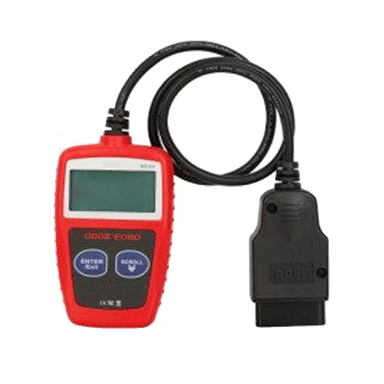
- OBD2 scan tool
- Safety glasses
- Nitrile gloves
- Fire extinguisher Class B
- 10mm socket
- Ratchet
- Trim/panel removal tool
- Fuel line quick-disconnect tool set (specialty)
- Floor jack (rated 3-ton minimum)
- Jack stands (rated 3-ton minimum)
- Wheel chocks
- Drain pan (at least 10-quart)
- Torque wrench (10–150 ft-lbs)
🔩 Required Parts
HowToo sells all the parts you need for this repair:
- Fuel pump module (in-tank) - Qty: 1
- Fuel pump seal/O-ring (tank module seal) - Qty: 1
- Fuel pump driver module (if diagnosed failed) - Qty: 1
- High-pressure fuel pump (engine-mounted, if applicable) - Qty: 1
- High-pressure pump gasket/seal kit (if applicable) - Qty: 1
📋 Before You Begin
- Park on level ground, set the parking brake, and place wheel chocks behind the rear wheels.
- Try to keep the fuel level low (under 1/4 tank) to make any tank work safer and lighter.
- Have a plan to catch fuel drips with a drain pan and rags.
🔨 Step-by-Step Instructions
Follow these steps in order:
Step 1: Identify which “fuel pump” you need to replace
- Please answer the two questions below before you start taking anything apart.
Step 2: Answer these 2 quick questions (so I give the right procedure)
- Do you mean the in-tank fuel pump module (inside the fuel tank) or the high-pressure fuel pump (bolted to the engine)?
- Do you have any OBD2 codes (use an OBD2 scan tool) like P0087, P0230, P0231, P025A, or P0191?
✅ After Repair
- Once you tell me which pump it is, I’ll include the correct prime/start procedure and leak checks for your Escape.
💰 DIY vs Shop Cost
Shop Cost: $600-$1,600 (parts + labor)
DIY Cost: $200-$900 (parts only)
You Save: $400-$700 by doing it yourself!
Shop labor rates vary but typically run $100-$150/hour. This repair takes a shop approximately 1.5-4.0 hours.
🎯 Ready to get started?
HowToo makes it easy: same-day/2-day shipping on every part, plus all the tools and specialty tools you need! Check out the parts and tools sections below to add everything to your cart.