









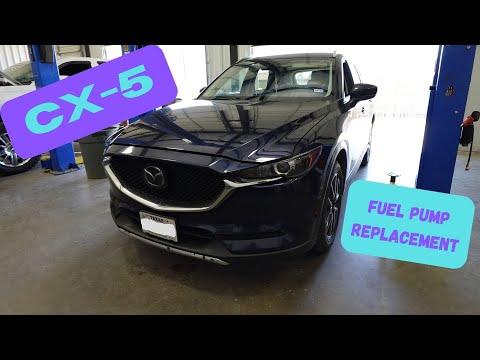





How to Replace the Fuel Pump on a 2013-2024 Mazda CX-5 (In-Tank Pump Module) (Engine: Inline 4 2.0L)
Step-by-step DIY guide with safety tips, required tools/parts, and access-panel vs tank-drop instructions
How to Replace the Fuel Pump on a 2013-2024 Mazda CX-5 (In-Tank Pump Module) (Engine: Inline 4 2.0L)
Step-by-step DIY guide with safety tips, required tools/parts, and access-panel vs tank-drop instructions for 2013, 2014, 2015, 2016


🔧 CX-5 - Fuel Pump Replacement
On your CX-5, the fuel pump is inside the fuel tank as part of the in-tank pump module. The exact procedure depends on whether Mazda provided an in-cabin access cover (under the rear seat) or if the fuel tank must be lowered.
Difficulty Level: Advanced | Estimated Time: 2-6 hours
⚠️ Safety & Precautions
- 🔥 Gasoline fumes are highly flammable—no smoking, sparks, or hot lights.
- 🧯 Keep a fire extinguisher rated for fuel fires nearby.
- 🧤 Wear safety glasses and fuel-resistant gloves; fuel can irritate skin/eyes.
- 🔋 Disconnect the negative battery cable before opening the tank/pump area.
- 💨 Work in a well-ventilated area; avoid breathing vapors.
🔧 Required Tools
You'll need the following tools for this repair:
- 10mm socket
- 12mm socket
- 3/8" drive ratchet
- 3" extension (3/8" drive)
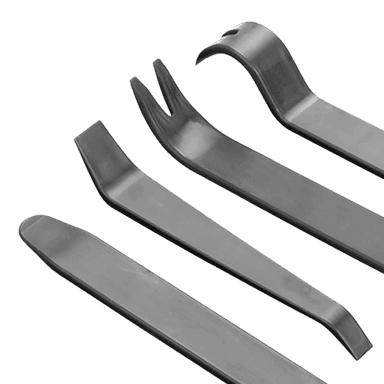
- Trim clip removal tool
- Flathead screwdriver
- Needle-nose pliers
- Fuel line disconnect tool set (specialty)
- Brass punch (specialty)
- Small hammer
- Torque wrench (5–60 Nm range)
- Shop rags
- Drain pan
- Floor jack (rated 3-ton minimum)
- Jack stands (rated 3-ton minimum)
- Wheel chocks
- Safety glasses
- Nitrile gloves
🔩 Required Parts
HowToo sells all the parts you need for this repair:
- Fuel pump module assembly - Qty: 1
- Fuel pump module tank seal (O-ring/gasket) - Qty: 1
- Fuel line quick-connect O-rings (if supplied/required) - Qty: 1 set
📋 Before You Begin
- Park on level ground, set the parking brake, and use wheel chocks.
- Reduce fuel level to under 1/4 tank if possible—less fuel is safer and easier.
- Relieve fuel pressure: remove the fuel pump fuse/relay, start the engine, and let it stall; then crank 3 seconds. (This bleeds off most pressure.)
- Disconnect the battery: use a 10mm socket to remove the negative battery terminal and isolate it.
🔨 Step-by-Step Instructions
Follow these steps in order:
Step 1: Answer these 2 quick checks (so I give the correct path)
- Lift the rear seat bottom and look for a round/oval metal access cover with screws: do you see an access panel?
- Are you replacing the whole pump module (recommended), or only the electric pump motor inside it?
Step 2: Remove rear seat bottom (access-panel path)
- Use a trim clip removal tool to release the front seat-bottom clips, then lift the seat bottom out.
- If there are bolts, remove them with a 12mm socket.
- Take a photo before unplugging anything.
Step 3: Remove the fuel pump access cover (if equipped)
- Use a 10mm socket or Phillips/flathead screwdriver (as equipped) to remove the cover fasteners.
- Peel back any butyl sealer carefully using a flathead screwdriver.
- Clean loose dirt around the pump opening with shop rags so nothing falls into the tank.
Step 4: Disconnect electrical connector and fuel lines
- Unplug the pump electrical connector by releasing the lock tab with a flathead screwdriver.
- Place shop rags under the fuel line connection.
- Disconnect the fuel line using a fuel line disconnect tool set (specialty) if required by the connector style.
- Catch any fuel in a drain pan.
Step 5: Remove the pump lock ring / retaining ring
- Mark the pump module orientation with a flathead screwdriver (scratch mark) so the new one goes in the same direction.
- Use a brass punch (specialty) and small hammer to tap the lock ring counterclockwise until it releases.
- Use brass to reduce spark risk.
Step 6: Remove the pump module
- Lift the module straight up carefully; tilt as needed to clear the fuel level float arm.
- Let fuel drain from the module into a drain pan before moving it away.
- Remove the old tank seal (O-ring/gasket) with a flathead screwdriver (gently).
Step 7: Install new seal and pump module
- Install the new seal onto the tank opening (or onto the module, depending on design) using clean hands and nitrile gloves.
- Lower the new module into the tank, matching your orientation marks.
- Reinstall the lock ring and tighten with a brass punch (specialty) and small hammer.
- Torque: I need your access-panel confirmation to provide the exact Mazda tightening spec for your configuration (varies by retaining design). Use a torque wrench once confirmed.
Step 8: Reconnect fuel line and electrical
- Reconnect the fuel line until you hear/feel a click; tug lightly to confirm locked.
- Plug in the electrical connector until it clicks.
Step 9: Reinstall access cover and rear seat
- Reinstall the access cover using a 10mm socket or Phillips/flathead screwdriver as equipped.
- Reinstall the rear seat bottom and any bolts with a 12mm socket.
Step 10: If NO access panel exists (tank-lowering path)
- Safely raise the rear with a floor jack (rated 3-ton minimum) and support with jack stands (rated 3-ton minimum).
- Support the fuel tank with the floor jack and a flat wood pad (to spread load).
- Disconnect filler neck/EVAP lines and electrical at the tank using needle-nose pliers, flathead screwdriver, and fuel line disconnect tool set (specialty).
- Remove tank straps with a 12mm socket, lower the tank slightly, then remove/replace the pump module as in Steps 5–8.
- Torque: Strap/fastener torques depend on which strap hardware is fitted; I’ll provide exact specs after your confirmation in Step 1.
✅ After Repair
- Reconnect the battery negative terminal using a 10mm socket.
- Prime the system: key ON for 5 seconds, key OFF for 10 seconds; repeat 3 times (don’t crank).
- Start the engine and check for leaks at the fuel line connection and lock ring area.
- If you smell fuel inside the cabin, stop and recheck the seal and lock ring seating.
💰 DIY vs Shop Cost
Shop Cost: $650-$1,300 (parts + labor)
DIY Cost: $220-$650 (parts only)
You Save: $430-$650 by doing it yourself!
Shop labor rates vary but typically run $100-$150/hour. This repair takes a shop approximately 2-6 hours.
🎯 Ready to get started?
HowToo makes it easy: same-day/2-day shipping on every part, plus all the tools and specialty tools you need! Check out the parts and tools sections below to add everything to your cart.
Guide for Fuel Pump Module Assembly replace for these Mazda vehicles
| Year Make Model | Sub Model | Engine | Body Style |
|---|---|---|---|
| 2024 Mazda CX-5 | - | Inline 4 2.5L | - |
| 2023 Mazda CX-5 | - | Inline 4 2.5L | - |
| 2022 Mazda CX-5 | - | Inline 4 2.5L | - |
| 2021 Mazda CX-5 | - | Inline 4 2.5L | - |
| 2020 Mazda CX-5 | - | Inline 4 2.5L | - |
| 2019 Mazda CX-5 | - | Inline 4 2.5L | - |
| 2018 Mazda CX-5 | - | Inline 4 2.5L | - |
| 2017 Mazda CX-5 | - | Inline 4 2.5L | - |
| 2016 Mazda CX-5 | - | Inline 4 2.0L | - |
| 2016 Mazda CX-5 | - | Inline 4 2.5L | - |
| 2015 Mazda CX-5 | - | Inline 4 2.0L | - |
| 2015 Mazda CX-5 | - | Inline 4 2.5L | - |
| 2014 Mazda CX-5 | - | Inline 4 2.0L | - |
| 2014 Mazda CX-5 | - | Inline 4 2.5L | - |
| 2013 Mazda CX-5 | - | Inline 4 2.0L | - |