















How to Replace the Fuel Pump on a 2013-2016 Ford Escape (In-Tank Module vs HPFP) (Engine: Inline 4 2.0L)
Step-by-step procedure, required tools and parts, safety tips, and how to identify the correct pump
How to Replace the Fuel Pump on a 2013-2016 Ford Escape (In-Tank Module vs HPFP) (Engine: Inline 4 2.0L)
Step-by-step procedure, required tools and parts, safety tips, and how to identify the correct pump for 2013, 2014, 2015, 2016


🔧 Escape - Fuel Pump Replacement
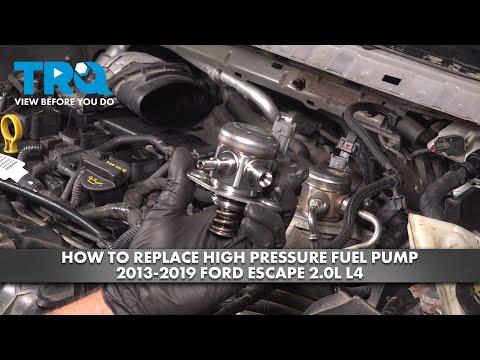
Your Escape has two “fuel pumps”: a low-pressure in-tank fuel pump module (in the fuel tank) and a high-pressure fuel pump (HPFP) (on the engine for the EcoBoost direct-injection system). The replacement steps, parts, and safety precautions are very different, so we need to target the correct one.
Difficulty Level: Intermediate-Advanced | Estimated Time: 1-5 hours (depends on which pump)
⚠️ Safety & Precautions
- ⚠️ Fuel and fuel vapor are highly flammable—work outdoors or in a well-ventilated area, no smoking/sparks.
- ⚠️ The EcoBoost fuel system can be under very high pressure at the HPFP—incorrect depressurizing can cause injury.
- ⚠️ Disconnect the negative battery cable before opening fuel lines or the tank.
- ⚠️ Keep a Class B fire extinguisher nearby.
🔧 Required Tools
You'll need the following tools for this repair:
- Safety glasses
- Nitrile gloves
- Class B fire extinguisher
- 10mm socket
- 3/8" drive ratchet
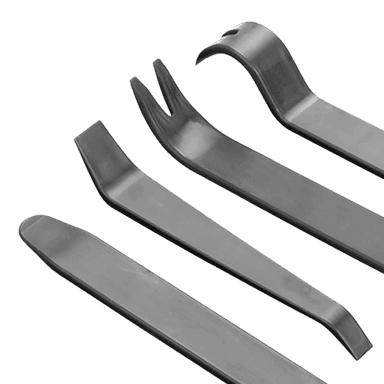
- Trim removal tool set
- Flashlight
🔩 Required Parts
HowToo sells all the parts you need for this repair:
- Fuel pump (confirm which one) - Qty: 1
- Fuel pump seal / O-ring (application-specific) - Qty: 1
📋 Before You Begin
- Park on level ground and set the parking brake.
- Let the engine cool completely.
- Disconnect the battery negative terminal using a 10mm socket.
🔨 Step-by-Step Instructions
Follow these steps in order:
Step 1: Identify which “fuel pump” you mean
- If the pump you’re replacing is on the engine with metal fuel lines going to the fuel rail, that’s the high-pressure fuel pump (HPFP).
- If you’re replacing the pump that lives inside the fuel tank, that’s the in-tank fuel pump module.
- Tell me which one, and I’ll give exact steps.
Step 2: Quick check for an in-cabin access panel (in-tank pump clue)
- Use a trim removal tool set to carefully lift the rear seat cushion edges enough to look for a round/oval metal service cover.
- Use a flashlight to inspect—if there’s a service cover, the in-tank pump may be accessible from inside; if not, the tank usually must be lowered.
Step 3: Reply with these two details (so I can give a complete, correct procedure)
- Which pump are you replacing: in-tank fuel pump module or engine-mounted HPFP?
- Do you see a service access cover under the rear seat area, yes or no?
✅ After Repair
- Do not crank the engine until the correct pump procedure is followed and the system is primed and leak-checked.
💰 DIY vs Shop Cost
Shop Cost: $600-$1,800 (parts + labor, depends on pump and tank access)
DIY Cost: $150-$900 (parts only, depends on pump)
You Save: $450-$900 by doing it yourself!
Shop labor rates vary but typically run $100-$150/hour. This repair takes a shop approximately 1-5 hours.
🎯 Ready to get started?
HowToo makes it easy: same-day/2-day shipping on every part, plus all the tools and specialty tools you need! Check out the parts and tools sections below to add everything to your cart.
Guide for Fuel Pump Module Assembly replace for these Ford vehicles
| Year Make Model | Sub Model | Engine | Body Style |
|---|---|---|---|
| 2016 Ford Escape | - | Inline 4 1.6L | - |
| 2016 Ford Escape | - | Inline 4 2.0L | - |
| 2015 Ford Escape | - | Inline 4 1.6L | - |
| 2015 Ford Escape | - | Inline 4 2.0L | - |
| 2014 Ford Escape | - | Inline 4 1.6L | - |
| 2014 Ford Escape | - | Inline 4 2.0L | - |
| 2013 Ford Escape | - | Inline 4 1.6L | - |
| 2013 Ford Escape | - | Inline 4 2.0L | - |