














How to Replace the Fuel Pump on a 2013-2014 Honda Accord (In-Tank Module Guide) (Engine: Inline 4 2.4L)
Step-by-step DIY instructions with required tools, parts list, fuel pressure relief, and leak-check tips
How to Replace the Fuel Pump on a 2013-2014 Honda Accord (In-Tank Module Guide) (Engine: Inline 4 2.4L)
Step-by-step DIY instructions with required tools, parts list, fuel pressure relief, and leak-check tips for 2013, 2014


🔧 Accord - Fuel Pump Replacement
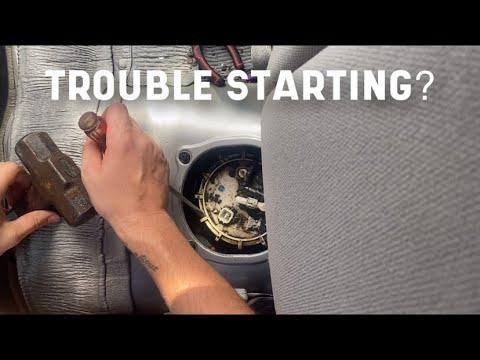
On your Accord, the fuel pump sits inside the fuel tank as part of an in-tank fuel pump module, accessed from inside the car under the rear seat. The job is mostly careful disassembly, keeping dirt out of the tank, and preventing fuel leaks when reconnecting the lines.
Difficulty Level: Intermediate | Estimated Time: 1.5-3.0 hours
⚠️ Safety & Precautions
- 🧯 Work outside or in a very well-ventilated area; fuel vapors are flammable.
- 🚭 No smoking, no sparks, and keep a Class B fire extinguisher nearby.
- 🔋 Disconnect the negative battery cable to reduce accidental sparks.
- 🧤 Wear gloves and safety glasses; fuel can irritate skin/eyes.
- 🧼 Clean around the access cover before opening the tank; dirt in the tank can damage the new pump.
- ⛽ Relieve fuel pressure before disconnecting fuel lines to prevent a high-pressure spray.
🔧 Required Tools
You'll need the following tools for this repair:
- 10mm socket
- 3/8" drive ratchet
- 3" extension (3/8" drive)
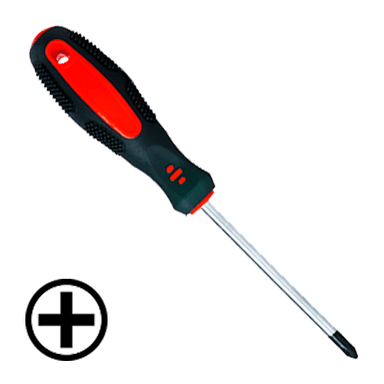
- Phillips screwdriver #2
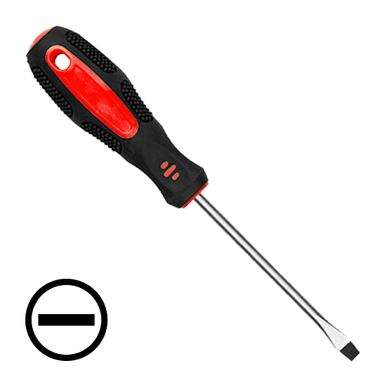
- Small flat-blade screwdriver
- Fuel line quick-disconnect pick tool
- Fuel pump lock ring wrench (specialty)
- Brass drift punch (non-sparking)
- Small hammer
- Trim clip removal tool
- Torque wrench (3/8" drive)
- Shop rags
- Drain pan
- Nitrile gloves
- Safety glasses
🔩 Required Parts
HowToo sells all the parts you need for this repair:
- In-tank fuel pump module assembly - Qty: 1
- Fuel pump module tank seal (O-ring/gasket) - Qty: 1
- Fuel pump module lock ring - Qty: 1
📋 Before You Begin
- 🅿️ Park on level ground, shift to Park, and set the parking brake.
- ⛽ Drive until the fuel level is low (under 1/4 tank is ideal) to reduce spills.
- 🔋 Use a 10mm socket to disconnect the negative battery cable and isolate it so it can’t spring back.
- 🧯 Open the fuel door and loosen the gas cap to reduce tank vapor pressure.
- 🧪 Plan to relieve fuel pressure (steps below) before any line disconnect.
🔨 Step-by-Step Instructions
Follow these steps in order:
Step 1: Relieve fuel pressure
- Open the under-hood fuse/relay box and find the fuse/relay labeled for the fuel pump (or “FI”). Use the small flat-blade screwdriver to help lift the cover if needed.
- Remove the fuel pump fuse/relay, then reconnect the negative battery cable temporarily using the 10mm socket.
- Start the engine and let it run until it stalls. Crank 2-3 more seconds to finish relieving pressure.
- Turn ignition OFF, then disconnect the negative battery cable again using the 10mm socket.
- Tip: Put the fuse/relay in your pocket.
Step 2: Remove the rear seat bottom cushion
- At the front edge of the rear seat bottom, release the retaining clips by pulling up firmly near the left and right seating positions. Use a trim clip removal tool if needed.
- Lift the seat bottom out of the car and set it aside.
Step 3: Access the fuel pump service cover
- Locate the metal service cover in the floor under the rear seat area.
- Use a Phillips screwdriver #2 or 10mm socket (fastener style varies) to remove the fasteners and lift off the cover.
- Clean the area thoroughly with shop rags so debris can’t fall into the tank opening.
Step 4: Disconnect the electrical connector and fuel lines
- Unplug the fuel pump/module electrical connector.
- Place a drain pan and shop rags under the lines to catch fuel.
- For the quick-connect fuel line(s), use a fuel line quick-disconnect pick tool (a small hooked pick that releases the internal lock) to release the retainer, then pull the line straight off.
- Cap/cover the open line ends with clean rags to keep dirt out.
Step 5: Remove the fuel pump lock ring
- Mark the current position of the lock ring and tank (use the Phillips screwdriver #2 to scratch a tiny reference line if needed).
- Use a fuel pump lock ring wrench (specialty) to turn the lock ring counterclockwise and remove it.
- If it’s stuck, place a brass drift punch (non-sparking) on a lock ring tab and tap gently with the small hammer to start it moving.
Step 6: Remove the fuel pump module
- Lift the module up slowly. Angle it as needed to clear the fuel level float arm (the float is the small plastic “bobber” that reads fuel level).
- Let fuel drain from the module into the tank, then set the module into the drain pan.
- Remove and discard the old tank seal (O-ring/gasket) from the tank opening using the small flat-blade screwdriver carefully (don’t gouge the sealing surface).
Step 7: Install the new seal and module
- Install the new tank seal (O-ring/gasket) into the tank opening, fully seated and not twisted.
- Lower the new module into the tank, guiding the float arm carefully so it doesn’t bend.
- Align the module’s index marks with the tank marks (Honda uses alignment marks to ensure correct orientation).
Step 8: Reinstall and secure the lock ring
- Install the lock ring by hand first to avoid cross-threading.
- Use the fuel pump lock ring wrench (specialty) to tighten the lock ring until the lock ring aligns with the reference/index marks and is fully seated (do not overtighten).
- Tip: If marks don’t align, stop and reseat.
Step 9: Reconnect fuel lines and electrical connector
- Push the quick-connect fuel line(s) on until they click/lock. Then pull back gently to confirm they’re locked.
- Reconnect the electrical connector until it clicks.
Step 10: Reinstall the service cover and rear seat
- Reinstall the service cover and fasteners using the Phillips screwdriver #2 or 10mm socket.
- Reinstall the rear seat bottom cushion and press down firmly to re-engage the retaining clips.
✅ After Repair
- 🔋 Reconnect the negative battery cable using the 10mm socket.
- 🧩 Reinstall the fuel pump fuse/relay removed earlier.
- 🔑 Prime the system: turn ignition ON (engine OFF) for ~5 seconds, then OFF. Repeat 2-3 times to build fuel pressure.
- 👃 Check carefully for fuel smell and inspect the line connections and lock ring area for seepage before starting.
- 🚗 Start the engine and let it idle. Re-check for leaks.
- 🛠️ If you have a check engine light after the repair, scan for codes—an EVAP/fuel pressure code can happen if a connector or line isn’t fully seated.
💰 DIY vs Shop Cost
Shop Cost: $650-$1,200 (parts + labor)
DIY Cost: $220-$550 (parts only)
You Save: $430-$650 by doing it yourself!
Shop labor rates vary but typically run $100-$150/hour. This repair takes a shop approximately 1.5-3.0 hours.
🎯 Ready to get started?
HowToo makes it easy: same-day/2-day shipping on every part, plus all the tools and specialty tools you need! Check out the parts and tools sections below to add everything to your cart.
Guide for Fuel Pump Module Assembly replace for these Honda vehicles
| Year Make Model | Sub Model | Engine | Body Style |
|---|---|---|---|
| 2014 Honda Accord | - | Inline 4 2.4L | - |
| 2013 Honda Accord | - | Inline 4 2.4L | - |