














How to Replace the Fuel Pump on a 2012-2014 Honda CR-V (Engine: Inline 4 2.4L)
Step-by-step instructions with tools, parts, torque specs, and safety tips
How to Replace the Fuel Pump on a 2012-2014 Honda CR-V (Engine: Inline 4 2.4L)
Step-by-step instructions with tools, parts, torque specs, and safety tips for 2012, 2013, 2014


🔧 Fuel Pump - Replacement
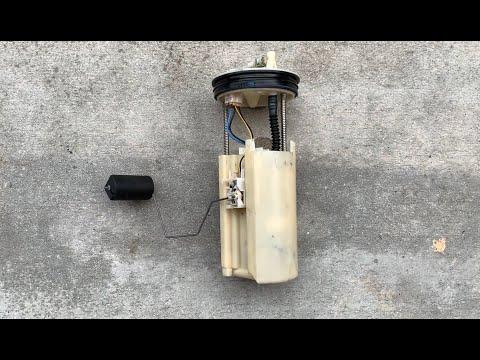
The fuel pump sits inside the fuel tank and feeds fuel to the engine. On your CR-V, the pump module is serviced through the rear cabin access panel, so the tank usually does not need to come out.
Difficulty Level: Intermediate | Estimated Time: 2-4 hours
⚠️ Safety & Precautions
- Work outside or in a very well-ventilated area. Fuel vapors are flammable.
- Disconnect the negative battery cable before opening the fuel system.
- Relieve fuel pressure before disconnecting the fuel line.
- Keep sparks, cigarettes, heat guns, and lights with hot bulbs away from the area.
- Wear safety glasses and fuel-resistant gloves.
- Do not use the pump if the tank opening or lines are dirty.
🔧 Required Tools
You'll need the following tools for this repair:
- 10mm socket
- Ratchet
- Extension bar
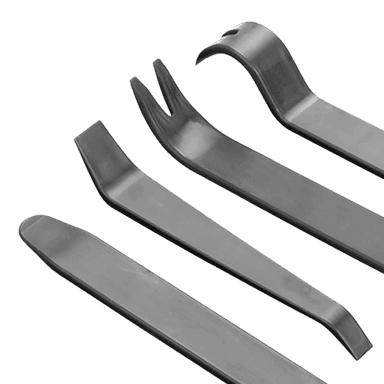
- Trim tool set
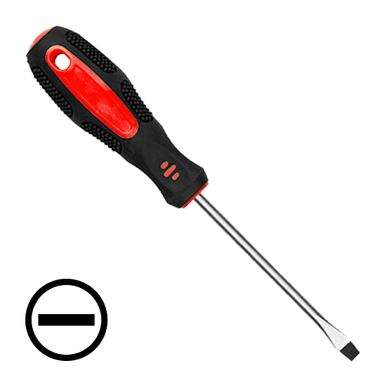
- Flat-head screwdriver
- Fuel line disconnect tool (specialty)
- Torque wrench
- Needle-nose pliers
- Shop towels
- Drain pan
- Safety glasses
- Nitrile gloves
🔩 Required Parts
HowToo sells all the parts you need for this repair:
- Fuel pump module assembly - Qty: 1
- Fuel pump module seal - Qty: 1
- Fuel filter strainer - Qty: 1
- Fuel line O-rings - Qty: 1 set
- Access cover seal or gasket - Qty: 1
📋 Before You Begin
- Park on level ground and set the parking brake.
- Open the fuel filler cap to help reduce tank pressure.
- Disconnect the negative battery cable with a 10mm socket.
- Relieve fuel system pressure before disconnecting any lines.
- Remove or lift the rear seat cushion if needed to reach the access cover.
🔨 Step-by-Step Instructions
Follow these steps in order:
Step 1: Disconnect battery and relieve fuel pressure
- Use a 10mm socket to disconnect the negative battery cable.
- Relieve fuel pressure using the vehicle fuel pressure relief procedure.
- Place shop towels and a drain pan under the work area.
Step 2: Remove rear seat access trim
- Use a trim tool set to remove the rear seat cushion or lift the trim panel covering the access opening.
- Remove the access cover fasteners with a 10mm socket or flat-head screwdriver, depending on the cover style.
- Lift off the cover and set it aside.
Step 3: Disconnect the fuel pump module
- Use needle-nose pliers to release any connector lock tabs if needed.
- Unplug the electrical connector from the pump module.
- Use a fuel line disconnect tool (specialty) to remove the fuel line.
- Wipe any fuel with shop towels.
Step 4: Remove the fuel pump module
- Clean the top of the module area before opening it.
- Use the correct tool to remove the retaining ring or fasteners.
- Lift the module out slowly so the float arm does not bend.
- Keep dirt out of the tank.
Step 5: Install the new module
- Transfer only the needed parts to the new module if the replacement assembly does not include them.
- Install the new fuel pump module seal in the tank opening.
- Lower the new module straight down into the tank.
- Make sure the float arm moves freely.
Step 6: Secure the module and reconnect
- Install the retaining ring or fasteners.
- Use the torque wrench to tighten fasteners to factory specification.
- Torque to 34 Nm (25 ft-lbs) for retaining bolts if equipped with bolted retainers.
- Reconnect the fuel line until it clicks.
- Reconnect the electrical connector.
Step 7: Reinstall trim and battery cable
- Reinstall the access cover with the 10mm socket or flat-head screwdriver.
- Reinstall the rear seat cushion or trim panel using the trim tool set.
- Reconnect the negative battery cable with the 10mm socket.
Step 8: Prime and test
- Turn the key to ON for 5 seconds, then OFF. Repeat 2 to 3 times.
- Check the pump area and fuel line for leaks.
- Start the engine and let it idle.
- Recheck for leaks and verify normal running.
✅ After Repair
- Confirm the engine starts quickly and idles smoothly.
- Check again for fuel odor or seepage after a short drive.
- If the engine does not start, recheck the connector, fuel line lock, and battery connection.
- Dispose of fuel-soaked towels safely.
💰 DIY vs Shop Cost
Shop Cost: $700-$1,400 (parts + labor)
DIY Cost: $180-$450 (parts only)
You Save: $520-$950 by doing it yourself!
Shop labor rates vary but typically run $100-$150/hour. This repair takes a shop approximately 2-4 hours.
🎯 Ready to get started?
HowToo makes it easy: same-day/2-day shipping on every part, plus all the tools and specialty tools you need! Check out the parts and tools sections below to add everything to your cart.
Guide for Fuel Pump Module Assembly replace for these Honda vehicles
| Year Make Model | Sub Model | Engine | Body Style |
|---|---|---|---|
| 2014 Honda CR-V | - | Inline 4 2.4L | - |
| 2013 Honda CR-V | - | Inline 4 2.4L | - |
| 2012 Honda CR-V | - | Inline 4 2.4L | - |