














How to Replace the Fuel Pump on a 2010-2013 Toyota Highlander (Engine: Inline 4 2.7L)
Step-by-step DIY guide with tools, parts, torque specs, safety tips, and leak checks for 2010, 2011, 2012, 2013
How to Replace the Fuel Pump on a 2010-2013 Toyota Highlander (Engine: Inline 4 2.7L)
Step-by-step DIY guide with tools, parts, torque specs, safety tips, and leak checks for 2010, 2011, 2012, 2013


🔧 Highlander - Fuel Pump Replacement
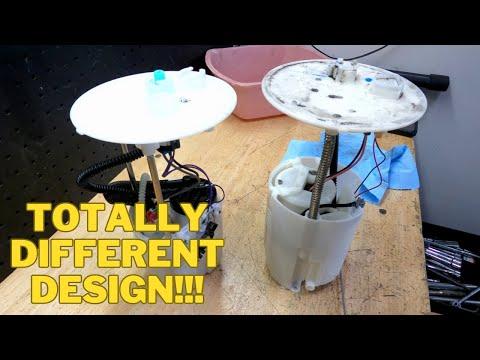
The fuel pump on your Highlander is mounted inside the fuel tank as part of the fuel pump module. Replacing it requires safely relieving fuel pressure, accessing the pump through the interior service opening, and sealing the tank correctly afterward.
Difficulty Level: Intermediate | Estimated Time: 2-4 hours
⚠️ Safety & Precautions
- ⚠️ Gasoline is extremely flammable. Work outside or in a very well-ventilated area away from sparks, heaters, cigarettes, and open flames.
- 🧯 Keep a Class B fire extinguisher nearby before opening the fuel system.
- 🔋 Disconnect the negative battery cable before opening the tank to reduce spark risk.
- 👓 Wear safety glasses and fuel-resistant gloves. Gasoline can irritate skin and eyes.
- 🧽 Clean dirt around the fuel pump cover before removal so debris does not fall into the tank.
- ⛽ Run the fuel level as low as practical before starting. A nearly full tank makes spills more likely.
🔧 Required Tools
You'll need the following tools for this repair:
- 10mm socket
- 12mm socket
- 3/8-inch ratchet
- 3/8-inch extension set
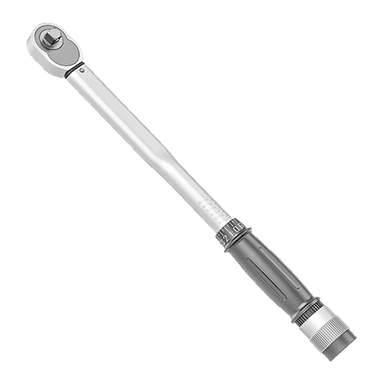
- Torque wrench inch-pound
- Fuel line disconnect tool set (specialty)
- Flat-blade screwdriver
- Plastic trim removal tool
- Needle-nose pliers
- Shop vacuum
- Clean shop towels
- Fuel-safe drain pan
- Permanent marker
- Safety glasses
- Fuel-resistant gloves
- Class B fire extinguisher
🔩 Required Parts
HowToo sells all the parts you need for this repair:
- Fuel pump module assembly - Qty: 1
- Fuel pump tank seal gasket - Qty: 1
- Fuel line retaining clip - Qty: 1
- Fuel pump access cover butyl sealing tape - Qty: 1
📋 Before You Begin
- Park your Highlander on level ground and set the parking brake.
- Open all doors or windows for ventilation before working around fuel vapors.
- Remove the fuel filler cap to release tank vapor pressure, then reinstall it loosely.
- Relieve fuel pressure before disconnecting fuel lines. “Relieving pressure” means removing the stored pressure in the fuel line so fuel does not spray.
- Disconnect the negative battery cable using a 10mm socket after fuel pressure is relieved.
🔨 Step-by-Step Instructions
Follow these steps in order:
Step 1: Relieve Fuel System Pressure
- Open the hood and locate the under-hood fuse/relay box.
- Use the fuse box cover diagram to find the fuel pump circuit opening relay or fuel pump fuse.
- Use needle-nose pliers to remove the fuel pump fuse or relay.
- Start the engine and let it run until it stalls.
- Crank the engine for 3-5 seconds once more using the ignition key.
- Turn the ignition OFF.
- This reduces fuel spray.
Step 2: Disconnect the Battery
- Use a 10mm socket to loosen the negative battery terminal clamp.
- Move the negative cable away from the battery post so it cannot touch accidentally.
- Wait at least 90 seconds before working near electrical connectors.
Step 3: Access the Fuel Pump Service Cover
- Open the rear doors and lift the rear cargo floor panels.
- Fold or remove the second-row seat as needed for room.
- Use a plastic trim removal tool to carefully lift the carpet section over the fuel tank service area.
- Locate the round or oval fuel pump service cover on the floor pan.
- Use a shop vacuum to clean dirt and loose debris around the cover before opening it.
Step 4: Remove the Service Cover
- Use a flat-blade screwdriver or plastic trim removal tool to gently lift the fuel pump access cover.
- The cover is usually sealed with sticky butyl tape. Butyl tape is a soft, tar-like sealer used to keep fumes and moisture out.
- Set the cover aside with the sealing surface facing up to keep it clean.
- Use clean shop towels to wipe around the top of the fuel pump module.
Step 5: Disconnect the Fuel Pump Electrical Connector
- Press the locking tab on the fuel pump electrical connector by hand.
- If it is tight, use a flat-blade screwdriver gently to depress the tab.
- Pull the connector straight off. Do not pull on the wires.
- Plastic tabs break easily.
Step 6: Mark the Fuel Pump Position
- Use a permanent marker to mark the fuel pump module and tank flange alignment.
- This helps install the new pump in the same position.
Step 7: Disconnect the Fuel Line
- Place clean shop towels around the fuel line connection.
- Place a fuel-safe drain pan nearby to catch any drips.
- Use a fuel line disconnect tool set (specialty) to release the quick-connect fitting if fitted.
- A quick-connect fitting is a fuel line connector that locks with plastic tabs or a retaining clip.
- If your connector uses a plastic clip, use needle-nose pliers to carefully remove the clip, then pull the line straight off.
- Cap or wrap the line end with a clean shop towel to reduce fumes.
Step 8: Remove the Fuel Pump Retaining Bolts
- Use a 10mm socket, 3/8-inch ratchet, and 3/8-inch extension set to loosen the fuel pump retaining bolts evenly.
- Remove the bolts in a crisscross pattern a little at a time.
- Keep the bolts organized so none fall into the vehicle.
Step 9: Remove the Fuel Pump Module
- Lift the fuel pump module straight up slowly by hand.
- Tilt it slightly as needed to clear the float arm. The float arm is the small lever that measures fuel level.
- Let fuel drain from the pump module into the tank for several seconds.
- Place the old module into the fuel-safe drain pan.
- Remove and discard the old tank seal gasket by hand.
Step 10: Install the New Tank Seal
- Use clean shop towels to wipe the tank sealing surface until it is clean and dry.
- Install the new fuel pump tank seal gasket into the tank opening groove by hand.
- Make sure the gasket is flat and not twisted.
- A twisted seal causes fuel smell.
Step 11: Install the New Fuel Pump Module
- Carefully lower the new fuel pump module assembly into the tank by hand.
- Guide the float arm into the tank without bending it.
- Align the new module with the mark you made earlier using the permanent marker.
- Hold the module flat against the gasket.
Step 12: Tighten the Fuel Pump Retaining Bolts
- Start all retaining bolts by hand first to avoid cross-threading.
- Use a 10mm socket, 3/8-inch extension set, and torque wrench inch-pound to tighten the bolts evenly in a crisscross pattern.
- Torque to 4.0 Nm (35 in-lbs)
- Do not overtighten. The pump flange and tank threads can be damaged.
Step 13: Reconnect the Fuel Line
- Push the fuel line straight onto the pump outlet by hand until it clicks.
- If removed, install the new fuel line retaining clip by hand or with needle-nose pliers.
- Gently tug the fuel line by hand to confirm it is locked.
Step 14: Reconnect the Electrical Connector
- Push the electrical connector onto the fuel pump module until the lock clicks.
- Use a flat-blade screwdriver only if needed to guide the locking tab gently.
Step 15: Prime the Fuel System and Check for Leaks
- Reinstall the fuel pump fuse or relay using needle-nose pliers.
- Reconnect the negative battery cable using a 10mm socket.
- Torque to 5.4 Nm (48 in-lbs)
- Turn the ignition key to ON for 5 seconds, then OFF for 10 seconds.
- Repeat this ON/OFF cycle 3 times to prime the fuel system.
- Check the fuel pump top and fuel line connection with a flashlight if available. Do not use a lighter or flame.
- If you see or smell fresh fuel, turn the ignition OFF immediately and repair the leak before continuing.
Step 16: Reinstall the Service Cover and Interior Trim
- Apply new fuel pump access cover butyl sealing tape around the access cover opening by hand.
- Press the service cover firmly into place by hand.
- Reposition the carpet and cargo floor panels.
- Use a plastic trim removal tool to tuck carpet edges neatly if needed.
- Reinstall or unfold the second-row seat as needed.
✅ After Repair
- Start your Highlander and let it idle for 2-3 minutes.
- Check again for fuel leaks or fuel smell around the service cover area.
- Take a short test drive, then recheck for fuel smell inside the cabin.
- If the fuel gauge reads incorrectly, recheck the pump connector and make sure the float arm was not bent during installation.
- If the engine cranks longer than normal after replacement, cycle the key ON/OFF a few more times to finish priming.
💰 DIY vs Shop Cost
Shop Cost: $650-$1,100 (parts + labor)
DIY Cost: $180-$450 (parts only)
You Save: $470-$650 by doing it yourself!
Shop labor rates vary but typically run $100-$150/hour. This repair takes a shop approximately 2-3 hours.
🎯 Ready to get started?
HowToo makes it easy: same-day/2-day shipping on every part, plus all the tools and specialty tools you need! Check out the parts and tools sections below to add everything to your cart.