














How to Replace the Fuel Pump on a 2009-2018 Toyota RAV4 (Engine: Inline 4 2.5L)
Step-by-step instructions with tools, parts, safety tips, and leak checks
How to Replace the Fuel Pump on a 2009-2018 Toyota RAV4 (Engine: Inline 4 2.5L)
Step-by-step instructions with tools, parts, safety tips, and leak checks for 2009, 2010, 2011, 2012, 2013, 2014, 2015, 2016, 2017, 2018


🔧 Fuel Pump - Replacement
On your RAV4, the fuel pump module is serviced through the fuel tank access area, not by dropping the tank in most cases. The job is mostly about safely relieving fuel pressure, opening the access cover, swapping the pump module, and checking for leaks after reassembly.
Difficulty Level: Advanced | Estimated Time: 3-5 hours
⚠️ Safety & Precautions
- Fuel vapors are flammable. Work outside or in a very well-ventilated area.
- Do not smoke, use heat guns, or create sparks near the vehicle.
- Disconnect the negative battery cable before opening the fuel system.
- Relieve fuel pressure before disconnecting any lines.
- Keep a class B fire extinguisher nearby.
- Wear safety glasses and fuel-resistant gloves.
- Do not run the fuel tank low enough to expose the pump for long periods during testing.
🔧 Required Tools
You'll need the following tools for this repair:
- 10mm socket
- 3/8-inch ratchet
- 3-inch extension
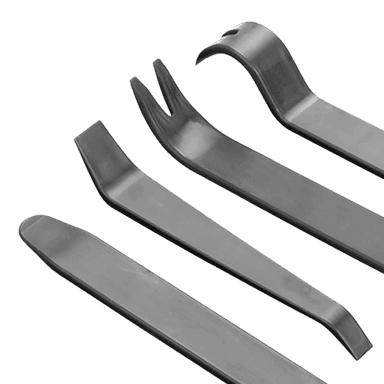
- Trim panel removal tool
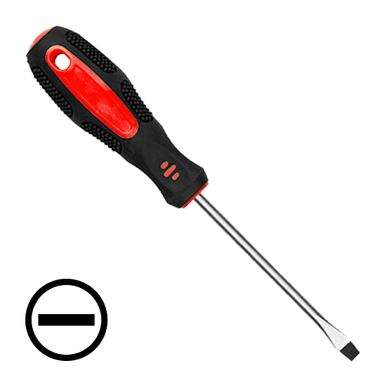
- Flat-blade screwdriver
- Fuel line disconnect tool
- Needle-nose pliers
- Shop towels
- Drain pan
- Torque wrench
- Fuel-safe non-sparking punch
- Rubber mallet
- Safety glasses
- Fuel-resistant gloves
🔩 Required Parts
HowToo sells all the parts you need for this repair:
- Fuel pump module - Qty: 1
- Fuel pump module seal / gasket - Qty: 1
- Fuel tank access cover sealant or butyl tape - Qty: 1
- Fuel line O-rings / seals - Qty: 1 set
📋 Before You Begin
- Park on level ground and set the parking brake.
- Run the fuel level down to about 1/4 tank or less. This makes the pump module lighter and safer to handle.
- Disconnect the negative battery cable before starting.
- Have shop towels ready for any spilled fuel.
🔨 Step-by-Step Instructions
Follow these steps in order:
Step 1: Disconnect power and relieve fuel pressure
- Use a 10mm socket to disconnect the negative battery cable.
- Start the engine and let it stall if it will run. Crank for a few more seconds to release leftover pressure.
- Turn the ignition off.
Step 2: Access the fuel pump module
- Fold the rear seat area forward enough to reach the access cover under the rear seat area.
- Use a trim panel removal tool and 10mm socket to remove the rear seat area trim and access cover fasteners.
- Lift off the access cover carefully and set aside the seal material if it will be replaced.
Step 3: Disconnect the fuel pump electrical connector and lines
- Use your hands to release the electrical connector lock, then unplug the fuel pump connector.
- Use a fuel line disconnect tool if equipped to disconnect the fuel line.
- Wrap the line with shop towels to catch any fuel drips.
Step 4: Remove the lock ring
- Use a fuel-safe non-sparking punch and rubber mallet to tap the lock ring counterclockwise.
- Lift the lock ring off carefully.
- Keep the area clean.
Step 5: Remove the fuel pump module
- Slowly lift the fuel pump module out of the tank.
- Angle the float and pickup assembly as needed so it clears the opening.
- Drain excess fuel into a drain pan.
- Remove the old seal from the tank opening.
Step 6: Install the new fuel pump module
- Install the new fuel pump module seal / gasket in the tank opening.
- Lower the new pump module into place without bending the float arm.
- Align the marks on the module and tank.
- Install the lock ring and tighten evenly with the fuel-safe non-sparking punch and rubber mallet.
- Torque to factory specification.
Step 7: Reconnect lines and wiring
- Reconnect the fuel line until it clicks fully into place.
- Reconnect the electrical connector until the lock snaps shut.
- Check that the hose and connector are fully seated.
Step 8: Reinstall the access cover and trim
- Install new butyl tape or the proper cover seal if required.
- Reinstall the access cover and trim using a 10mm socket and trim panel removal tool.
- Torque to factory specification.
Step 9: Restore power and prime the system
- Reconnect the negative battery cable with a 10mm socket.
- Turn the ignition to ON for 5 seconds, then OFF. Repeat 2-3 times to prime the fuel system.
- Start the engine and let it idle.
Step 10: Check for leaks
- Inspect the pump module, fuel line, and access area for leaks with the engine running.
- If you smell fuel or see wet spots, shut the engine off immediately and recheck the seals and line connection.
✅ After Repair
- Verify the engine starts cleanly and idles normally.
- Check that the fuel gauge reads correctly after a short drive.
- Look for any fuel smell over the next few drives.
- If the check engine light is on, scan for fuel system codes and clear them after confirming the repair.
💰 DIY vs Shop Cost
Shop Cost: $900-$1,600 (parts + labor)
DIY Cost: $250-$600 (parts only)
You Save: $650-$1,000 by doing it yourself!
Shop labor rates vary but typically run $100-$150/hour. This repair takes a shop approximately 3-5 hours.
🎯 Ready to get started?
HowToo makes it easy: same-day/2-day shipping on every part, plus all the tools and specialty tools you need! Check out the parts and tools sections below to add everything to your cart.
Guide for Fuel Pump Module Assembly replace for these Toyota vehicles
| Year Make Model | Sub Model | Engine | Body Style |
|---|---|---|---|
| 2018 Toyota RAV4 | - | Inline 4 2.5L | - |
| 2017 Toyota RAV4 | - | Inline 4 2.5L | - |
| 2016 Toyota RAV4 | - | Inline 4 2.5L | - |
| 2015 Toyota RAV4 | - | Inline 4 2.5L | - |
| 2014 Toyota RAV4 | - | Inline 4 2.5L | - |
| 2013 Toyota RAV4 | - | Inline 4 2.5L | - |
| 2012 Toyota RAV4 | - | Inline 4 2.5L | - |
| 2011 Toyota RAV4 | - | Inline 4 2.5L | - |
| 2010 Toyota RAV4 | - | Inline 4 2.5L | - |
| 2009 Toyota RAV4 | - | Inline 4 2.5L | - |