















How to Replace the Fuel Pump on a 2007-2011 Honda CR-V (In-Tank Pump Module) (Engine: Inline 4 2.4L)
Step-by-step rear-seat access guide with tools, parts list, safety tips, and torque specs
How to Replace the Fuel Pump on a 2007-2011 Honda CR-V (In-Tank Pump Module) (Engine: Inline 4 2.4L)
Step-by-step rear-seat access guide with tools, parts list, safety tips, and torque specs for 2007, 2008, 2009, 2010, 2011


🔧 CR-V - Fuel Pump Replacement
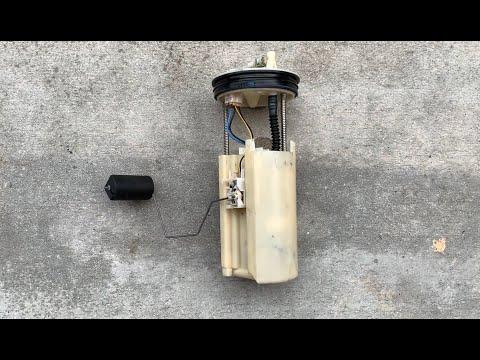
On your CR-V, the fuel pump sits inside the fuel tank as part of an in-tank pump module, accessed from under the rear seat. You’ll remove the rear seat cushion, open the service cover, disconnect the fuel line and wiring, then swap the module and seal to restore proper fuel pressure and starting.
Difficulty Level: Intermediate | Estimated Time: 2-4 hours
⚠️ Safety & Precautions
- 🛑 Work outside or in a well-ventilated area—fuel vapors are flammable.
- 🧯 No smoking, sparks, heat guns, or drop lights with hot bulbs near the open tank.
- 🧤 Wear safety glasses and fuel-resistant gloves—fuel can spray when lines are opened.
- 🔋 Disconnect the negative battery cable before opening the tank access to reduce spark risk.
- ⛽ Relieve fuel pressure before disconnecting the fuel line to avoid a fuel spray.
- 🧼 Clean dirt off the pump area before opening the tank to prevent contamination.
🔧 Required Tools
You'll need the following tools for this repair:
- 10mm socket
- 12mm socket
- 3/8" drive ratchet
- 3" socket extension
- Torque wrench 10-100 ft-lbs
- Torque wrench 50-200 in-lbs
- Trim removal tool
- Phillips screwdriver #2
- Small flat-blade screwdriver
- Needle-nose pliers
- Fuel-safe shop towels
- Catch pan
- Non-sparking brass punch (specialty)
- Small hammer
- Fuel pump lock ring wrench (specialty)
- Safety glasses
- Nitrile gloves
🔩 Required Parts
HowToo sells all the parts you need for this repair:
- Fuel pump module assembly - Qty: 1
- Fuel pump module tank seal (O-ring/gasket) - Qty: 1
- Fuel pump module lock ring (if damaged) - Qty: 1
- Dielectric grease - Qty: 1
📋 Before You Begin
- Park on level ground, set the parking brake, and open the driver window (so you can get back in if the car auto-locks).
- Work with the fuel level low (about 1/4 tank or less) to reduce spill risk.
- Relieve fuel pressure: remove the fuse/relay labeled for the fuel pump, then start the engine and let it run until it stalls. Turn the key OFF.
- Disconnect the battery: use a 10mm socket to remove the negative battery cable and isolate it so it can’t spring back.
- Tip: Take photos of connectors before unplugging.
🔨 Step-by-Step Instructions
Follow these steps in order:
Step 1: Remove the rear seat cushion
- Move the front seats forward for working room.
- Use a 12mm socket and 3/8" drive ratchet to remove the rear seat cushion retaining bolts (if equipped).
- Use a trim removal tool to release the seat cushion clips, then lift the cushion out of the vehicle.
Step 2: Open the fuel pump service access cover
- Locate the round/oval service cover on the floor under the rear seat.
- Use a Phillips screwdriver #2 to remove the access cover screws.
- Lift the cover and set it aside; use fuel-safe shop towels to protect the area.
Step 3: Clean the area to prevent dirt from entering the tank
- Use fuel-safe shop towels to wipe away loose dirt around the pump module top plate and lock ring.
- Do not allow debris to fall into the tank opening once it’s open.
Step 4: Disconnect the electrical connector
- Press the connector lock tab and unplug the pump module connector by hand.
- If the tab is stubborn, use a small flat-blade screwdriver gently. (A lock tab is a small plastic clip that prevents unplugging.)
Step 5: Disconnect the fuel line
- Place a catch pan and fuel-safe shop towels under the connection.
- Release the quick-connector: squeeze the side tabs (or release the retainer) and pull the line straight off.
- Use needle-nose pliers only if needed to help remove a retainer clip—do not crush the plastic line.
Step 6: Remove the fuel pump lock ring
- Use a fuel pump lock ring wrench (specialty) to loosen and remove the lock ring.
- If you must use the alternate method, use a non-sparking brass punch (specialty) and small hammer to tap the lock ring loose (small controlled taps only).
- Tip: Avoid steel punches—sparks are possible.
Step 7: Remove the fuel pump module
- Lift the module straight up slowly; angle as needed to clear the float arm without bending it.
- Let fuel drain from the module into the tank, then move it to the catch pan.
- Remove and discard the old tank seal (O-ring/gasket).
Step 8: Install the new seal and fuel pump module
- Install the new tank seal onto the tank opening (or onto the module as designed).
- Apply a very light film of clean fuel to the seal to help it seat (do not use heavy grease).
- Lower the new module in carefully, making sure the float arm isn’t trapped and the alignment marks line up.
Step 9: Reinstall and torque the lock ring
- Thread the lock ring on by hand first to prevent cross-threading.
- Use a fuel pump lock ring wrench (specialty) and torque wrench 10-100 ft-lbs to tighten the lock ring.
- Torque to 108 Nm (80 ft-lbs).
Step 10: Reconnect the fuel line and electrical connector
- Push the fuel line on until it clicks/locks; tug lightly to confirm it’s secure.
- Plug the electrical connector in until it clicks.
- Use a small amount of dielectric grease on the connector seal if desired (thin wipe only).
Step 11: Reinstall the access cover and rear seat cushion
- Reinstall the service cover using a Phillips screwdriver #2.
- Reinstall the rear seat cushion and bolts using a 12mm socket and 3/8" drive ratchet.
- If equipped with seat cushion bolts: Torque to 22 Nm (16 ft-lbs).
Step 12: Restore power and prime the fuel system
- Reconnect the negative battery cable using a 10mm socket.
- Reinstall the fuel pump fuse/relay you removed.
- Cycle the key to ON (engine OFF) for 5 seconds, then OFF; repeat 3 times to prime the system.
✅ After Repair
- Start the engine and let it idle for 2-3 minutes.
- Inspect for fuel leaks at the pump top and fuel line connection (look and smell carefully).
- Road test for 10-15 minutes, then recheck for any fuel odor or dampness under the rear seat.
- If the check engine light is on, scan and clear codes after confirming there are no leaks.
💰 DIY vs Shop Cost
Shop Cost: $650-$1,200 (parts + labor)
DIY Cost: $200-$550 (parts only)
You Save: $450-$650 by doing it yourself!
Shop labor rates vary but typically run $100-$150/hour. This repair takes a shop approximately 2-3 hours.
🎯 Ready to get started?
HowToo makes it easy: same-day/2-day shipping on every part, plus all the tools and specialty tools you need! Check out the parts and tools sections below to add everything to your cart.
Guide for Fuel Pump Module Assembly replace for these Honda vehicles
| Year Make Model | Sub Model | Engine | Body Style |
|---|---|---|---|
| 2011 Honda CR-V | - | Inline 4 2.4L | - |
| 2010 Honda CR-V | - | Inline 4 2.4L | - |
| 2009 Honda CR-V | - | Inline 4 2.4L | - |
| 2008 Honda CR-V | - | Inline 4 2.4L | - |
| 2007 Honda CR-V | - | Inline 4 2.4L | - |