















How to Replace the Fuel Pump on a 2007-2011 Honda CR-V (In-Tank Module DIY Guide) (Engine: Inline 4 2.4L)
Step-by-step rear-seat access instructions with tools, parts list, safety tips, and leak-check steps
How to Replace the Fuel Pump on a 2007-2011 Honda CR-V (In-Tank Module DIY Guide) (Engine: Inline 4 2.4L)
Step-by-step rear-seat access instructions with tools, parts list, safety tips, and leak-check steps for 2007, 2008, 2009, 2010, 2011


🔧 CR-V - Fuel Pump Replacement
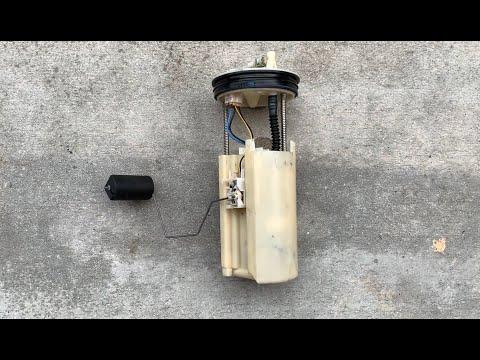
On your CR-V, the fuel pump is inside the fuel tank as part of the in-tank fuel pump module, and it’s typically accessed from an access panel under the rear seat (no need to drop the tank in most cases). Because fuel vapors ignite easily, the exact procedure and torque specs matter to prevent leaks and check-engine lights.
Difficulty Level: Intermediate | Estimated Time: 1.5-3.0 hours
⚠️ Safety & Precautions
- ⚠️ Work outside or in a well-ventilated area—fuel vapors are highly flammable.
- ⚠️ No smoking, no sparks, no trouble lights with hot bulbs—use an LED work light.
- ⚠️ Let the vehicle cool down fully before starting.
- ⚠️ Disconnect the negative battery cable before opening the fuel system.
- ⚠️ Keep a Class B fire extinguisher nearby.
🔧 Required Tools
You'll need the following tools for this repair:
- Safety glasses
- Nitrile gloves
- LED work light
- 10mm socket
- Ratchet
- 6-inch extension
- Phillips #2 screwdriver
- Flat trim tool
- Needle-nose pliers
- Fuel line quick-disconnect tool set
- Torque wrench (inch-pound)
- Torque wrench (foot-pound)
- Fuel pump lock ring wrench (specialty)
- Shop towels
- Catch pan
🔩 Required Parts
HowToo sells all the parts you need for this repair:
- Fuel pump module assembly - Qty: 1
- Fuel pump module seal/O-ring - Qty: 1
- Optional: Fuel pump strainer (sock filter) - Qty: 1
- Optional: Fuel filter (if serviced separately on your setup) - Qty: 1
📋 Before You Begin
- Park on level ground and set the parking brake.
- Open the fuel door to relieve any tank vapor pressure.
- Have minimal fuel in the tank (about 1/4 tank) to reduce spillage.
- Quick questions so I can give you the exact Honda-correct steps and torque specs:
- Are you replacing the entire fuel pump module (recommended), or only the pump motor inside the module?
- After lifting the rear seat bottom, do you see a round metal access cover held by screws?
🔨 Step-by-Step Instructions
Follow these steps in order:
Step 1: Relieve fuel pressure
- Use the 10mm socket and ratchet to disconnect the negative battery cable.
- Relieve fuel pressure using the Honda service procedure for your setup (this varies by exact under-hood fuse/relay labeling).
- Fuel spray is the main risk here.
Step 2: Access the pump from inside the cabin
- Lift/remove the rear seat bottom using a flat trim tool as needed to release the clips.
- Remove the access cover screws using a Phillips #2 screwdriver.
- Use shop towels to clean dirt around the pump module so debris doesn’t fall into the tank.
Step 3: Disconnect wiring and fuel lines
- Unplug the fuel pump electrical connector by hand (use needle-nose pliers only if needed for the tab).
- Place a catch pan and shop towels under the line area.
- Disconnect the fuel line using the fuel line quick-disconnect tool set.
Step 4: Remove the lock ring and pull the module
- Use the fuel pump lock ring wrench (specialty) to loosen/remove the lock ring.
- Carefully lift the module straight up, tilting as needed to clear the float arm without bending it.
- Remove the old seal/O-ring from the tank opening.
Step 5: Install the new module and seal
- Install the new seal/O-ring (do not reuse the old one).
- Lower the new module into the tank carefully, keeping the float arm free.
- Reinstall the lock ring using the fuel pump lock ring wrench (specialty) and then use a torque wrench (foot-pound).
- Torque: I’ll provide the exact Honda lock-ring torque once you answer the two questions above (module vs motor, and access-cover confirmation).
Step 6: Reconnect and reassemble
- Reconnect the fuel line until it clicks; gently tug by hand to confirm it’s locked.
- Reconnect the electrical connector.
- Reinstall the access cover using a Phillips #2 screwdriver.
- Reinstall the rear seat bottom (press down firmly to re-engage the clips).
- Reconnect the negative battery cable using a 10mm socket and ratchet.
✅ After Repair
- Cycle the key to ON (do not crank) for 2–3 seconds, then OFF; repeat 3 times to prime the system.
- Start the engine and check for fuel smell or wetness around the access area.
- If the check engine light comes on, a loose seal/lock ring or line connection is a common cause.
💰 DIY vs Shop Cost
Shop Cost: $650-$1,200 (parts + labor)
DIY Cost: $200-$650 (parts only)
You Save: $450-$550 by doing it yourself!
Shop labor rates vary but typically run $100-$150/hour. This repair takes a shop approximately 1.5-3.0 hours.
🎯 Ready to get started?
HowToo makes it easy: same-day/2-day shipping on every part, plus all the tools and specialty tools you need! Check out the parts and tools sections below to add everything to your cart.