









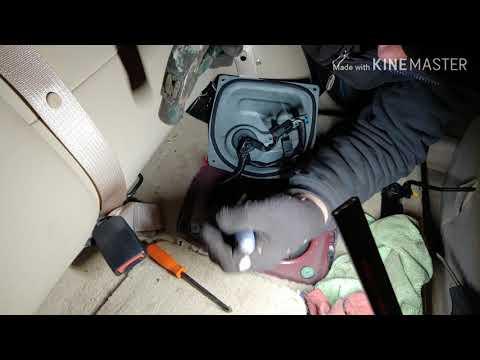







How to Replace the Fuel Pump on a 2007-2008 Ford Escape (In-Tank Module Guide) (Trim: XLS | Engine: Inline 4 2.3L)
Step-by-step tank-drop instructions with required tools, parts list, safety tips, and torque specs
How to Replace the Fuel Pump on a 2007-2008 Ford Escape (In-Tank Module Guide) (Trim: XLS | Engine: Inline 4 2.3L)
Step-by-step tank-drop instructions with required tools, parts list, safety tips, and torque specs for 2007, 2008


🔧 Escape - Fuel Pump Replacement
On your Escape, the fuel pump is part of an in-tank module, so the fuel tank typically has to be lowered to remove the pump. The key to a smooth job is working with a low fuel level, relieving fuel pressure, and keeping dirt out of the tank.
Difficulty Level: Advanced | Estimated Time: 3-6 hours
⚠️ Safety & Precautions
- ⚠️ Work outside or in a very well-ventilated area; fuel vapors ignite easily.
- ⚠️ No smoking, no heaters, no shop lights with hot bulbs near the tank.
- ⚠️ Disconnect the negative battery cable before opening any fuel lines.
- ⚠️ Support the fuel tank with a jack before removing strap bolts; a tank can shift suddenly.
- ⚠️ Wear safety glasses and fuel-resistant gloves; fuel under pressure can spray.
🔧 Required Tools
You'll need the following tools for this repair:
- Safety glasses
- Fuel-resistant gloves
- Wheel chocks
- Floor jack (rated 3-ton minimum)
- Jack stands (rated 3-ton minimum)
- Block of wood (2x6)
- 8mm socket
- 10mm socket
- 13mm socket
- 3/8" drive ratchet
- 6" extension (3/8" drive)
- Flat trim tool
- Flathead screwdriver
- Fuel line quick-disconnect tool set 5/16" and 3/8" (specialty)
- Brass punch (specialty)
- Small hammer
- Shop towels
- Drain pan
- Hand siphon pump (specialty)
- Torque wrench (10-100 ft-lbs range)
🔩 Required Parts
HowToo sells all the parts you need for this repair:
- Fuel pump module assembly - Qty: 1
- Fuel pump module seal O-ring - Qty: 1
- Fuel pump lock ring - Qty: 1
📋 Before You Begin
- Park on level ground, set the parking brake, and chock the front wheels.
- Get the fuel level as low as possible; a lighter tank is much safer to lower.
- Relieve fuel pressure before disconnecting lines: remove the fuel pump fuse/relay, start the engine, and let it run until it stalls, then crank 2-3 seconds more.
- Disconnect the negative battery cable using a 10mm socket.
- Take photos of hose routing before removal.
🔨 Step-by-Step Instructions
Follow these steps in order:
Step 1: Raise and support the rear safely
- Use a floor jack to lift the rear at the approved lift point.
- Set the vehicle on jack stands and give it a firm shake test.
- Keep the floor jack available for supporting the fuel tank.
Step 2: Prepare to lower the fuel tank
- Position a drain pan and keep shop towels ready for small spills.
- If needed, siphon fuel into an approved container using a hand siphon pump (specialty).
Step 3: Support the fuel tank
- Place a block of wood (2x6) on the floor jack pad to spread the load.
- Jack up gently until the wood just contacts the bottom of the fuel tank.
Step 4: Disconnect EVAP and filler/vent connections (as accessible)
- Use a flat trim tool or flathead screwdriver to release any plastic retainers on hoses/lines near the tank.
- Loosen hose clamps with a flathead screwdriver if clamps are worm-gear type.
- Label hoses with tape to avoid mix-ups.
Step 5: Disconnect fuel lines and electrical connector
- Unplug the fuel pump module electrical connector once it’s reachable.
- Use the fuel line quick-disconnect tool set 5/16" and 3/8" (specialty) to disconnect the fuel supply/return lines.
- Wipe connections with shop towels before separating to keep dirt out.
- A quick-disconnect tool releases the internal spring clip.
Step 6: Remove the tank straps and lower the tank
- Use a 13mm socket, ratchet, and extension to remove the fuel tank strap bolts.
- Lower the tank slowly using the floor jack, stopping if any hose/wire is still attached.
- Once fully free, lower it enough to access the top of the pump module.
- During reassembly, Torque tank strap bolts to 40 Nm (30 ft-lbs).
Step 7: Clean the pump area before opening the tank
- Use shop towels to remove loose dirt around the pump module flange.
- Do not let debris fall into the tank opening.
Step 8: Remove the fuel pump lock ring
- Use a brass punch (specialty) and small hammer to tap the lock ring counterclockwise.
- Lift the lock ring off and set it aside.
- Brass helps prevent sparks on the ring.
Step 9: Remove the pump module
- Carefully lift the module out; angle it to clear the float arm.
- Have a drain pan ready—fuel will drip from the module.
- Remove the old seal and install the new fuel pump module seal O-ring.
Step 10: Install the new pump module and lock ring
- Lower the new module into the tank without forcing the float arm.
- Align the module/flange marks (if present) and seat it evenly on the new seal.
- Install the new fuel pump lock ring and tap clockwise with the brass punch (specialty) and small hammer until fully seated against its stops.
Step 11: Raise the tank and reconnect everything
- Use the floor jack and block of wood (2x6) to lift the tank back into position.
- Reconnect the electrical connector and fuel lines; confirm each quick-connect “clicks” fully.
- Reconnect EVAP/filler/vent hoses and re-install any retainers with a flat trim tool.
- Install the tank straps and start bolts by hand, then tighten with a 13mm socket.
- Torque tank strap bolts to 40 Nm (30 ft-lbs).
Step 12: Reconnect battery and prime the fuel system
- Reconnect the negative battery cable with a 10mm socket.
- Turn the key to ON (not start) for 5 seconds, then OFF. Repeat 3-4 times to prime.
- Start the engine and let it idle.
✅ After Repair
- Inspect for leaks at the pump module seal area and all fuel line connections while it’s idling.
- Test drive for 10-15 minutes, then re-check for fuel smell or damp connections.
- If you have a check engine light afterward, a loose EVAP hose is a common cause—recheck hose seating and clamps.
💰 DIY vs Shop Cost
Shop Cost: $800-$1,400 (parts + labor)
DIY Cost: $200-$600 (parts only)
You Save: $600-$800 by doing it yourself!
Shop labor rates vary but typically run $100-$150/hour. This repair takes a shop approximately 3-6 hours.
🎯 Ready to get started?
HowToo makes it easy: same-day/2-day shipping on every part, plus all the tools and specialty tools you need! Check out the parts and tools sections below to add everything to your cart.
Guide for Fuel Pump Module Assembly replace for these Ford vehicles
| Year Make Model | Sub Model | Engine | Body Style |
|---|---|---|---|
| 2008 Ford Escape | Hybrid | Inline 4 2.3L | - |
| 2007 Ford Escape | Hybrid | Inline 4 2.3L | - |