














How to Replace the Fuel Pump Module on a 2020 Hyundai Palisade (In-Tank)
Step-by-step DIY instructions for access-cover vs tank-drop methods, tools, parts, safety tips, and install notes
How to Replace the Fuel Pump Module on a 2020 Hyundai Palisade (In-Tank)
Step-by-step DIY instructions for access-cover vs tank-drop methods, tools, parts, safety tips, and install notes


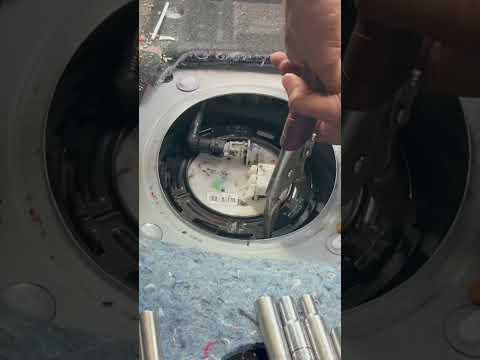
🔧 Palisade - Fuel Pump Module Replacement
On your Palisade, the fuel pump is part of an in-tank “fuel pump module” (pump + level sender + housing). Replacement usually involves relieving fuel pressure, disconnecting fuel lines/electrical, and removing the module from the top of the tank.
Before I tailor this perfectly (no guesswork): Does your Palisade have a service access cover under the 2nd-row seat/cargo area, or is the top of the tank not accessible from inside? Also, are you replacing the entire pump module or just the pump motor inside the module?
Difficulty Level: Intermediate (access cover) / Advanced (tank removal) | Estimated Time: 1.5-3.0 hours (access cover) / 4-7 hours (tank removal)
⚠️ Safety & Precautions
- 🧯 Work outside or in a well-ventilated area; no sparks/flames.
- Disconnect the negative battery terminal before opening the fuel system.
- Relieve fuel pressure before disconnecting any fuel line to prevent spray.
- Wear safety glasses and fuel-resistant gloves; gasoline can irritate skin/eyes.
- Clean dirt around the module before opening the tank to avoid contamination.
- Use only non-sparking tools near the tank opening when possible.
🔧 Required Tools
You'll need the following tools for this repair:
- 10mm socket
- 12mm socket
- 3/8" drive ratchet
- 3/8" drive extension (6")
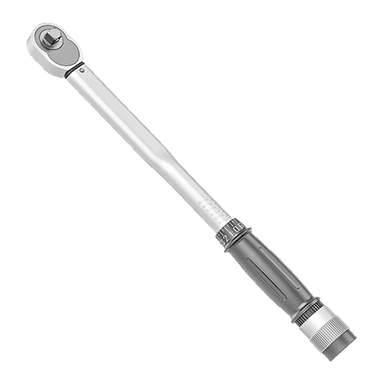
- Torque wrench (3/8" drive)
- Trim removal tool set
- Small flat-blade screwdriver
- Needle-nose pliers
- Fuel line disconnect pick set
- Fuel-safe drain pan
- Shop towels
- Marker or paint pen
- Fuel pump lock ring wrench (specialty)
- Floor jack (rated 3-ton minimum)
- Jack stands (rated 3-ton minimum)
- Wheel chocks
- Nitrile gloves
- Safety glasses
🔩 Required Parts
HowToo sells all the parts you need for this repair:
- In-tank fuel pump module assembly - Qty: 1
- Fuel pump module seal O-ring - Qty: 1
- Shop rags / absorbent pads - Qty: 1
📋 Before You Begin
- 🅿️ Park on level ground, set the parking brake, and chock the wheels.
- Run the fuel level low if possible; a lighter tank is easier and safer.
- Disconnect the battery: use a 10mm socket to remove the negative terminal and isolate it.
- Relieve fuel pressure: remove the fuel pump fuse/relay, start the engine, and let it stall; then crank 2-3 seconds more.
- Tip: Take photos of hose routing first.
🔨 Step-by-Step Instructions
Follow these steps in order:
Step 1: Confirm which method you have (access cover vs tank removal)
- Check under the 2nd-row seat area/cargo floor for a round/oval metal service cover.
- If you can see a cover with screws, follow Method A below.
- If there is no interior access, follow Method B (fuel tank removal).
Step 2 (Method A): Remove interior access cover
- Use a trim removal tool set to lift trim panels as needed without breaking clips.
- Use a 10mm socket or 12mm socket (varies by fastener) to remove the access cover fasteners.
- Lift the cover and set it aside; use shop towels to block debris from falling into the area.
Step 3 (Method A): Disconnect electrical connector and fuel lines
- Unplug the pump module electrical connector by pressing the lock tab (use a small flat-blade screwdriver gently if needed).
- Place a fuel-safe drain pan and shop towels under the line connections.
- Disconnect the quick-connect fuel lines by releasing the retainer tabs (use fuel line disconnect pick set if the retainer is stubborn).
- Tip: Pull straight—don’t twist hard.
Step 4 (Method A): Remove the lock ring and lift out the module
- Use a marker or paint pen to mark the module orientation to the tank.
- Use a fuel pump lock ring wrench (specialty) to loosen and remove the lock ring.
- Lift the module up slowly; angle it as needed to clear the float arm (fuel level sensor).
- Remove the old fuel pump module seal O-ring.
Step 5 (Method A): Install new seal and module
- Install the new fuel pump module seal O-ring into the tank groove; make sure it sits flat and is not twisted.
- Lower the new module in, aligning it to your paint marks.
- Install the lock ring and tighten using the fuel pump lock ring wrench (specialty).
- Torque: Lock ring tightening is to Hyundai factory specification; use service information for the exact value for your Palisade.
Step 6 (Method A): Reconnect lines, connector, and reinstall cover
- Reconnect the fuel lines until they click; gently tug to confirm they’re locked.
- Reconnect the electrical connector until it clicks.
- Reinstall the access cover and fasteners using a 10mm socket or 12mm socket.
- Torque: Cover fasteners are to Hyundai factory specification; do not overtighten sheet-metal fasteners.
Step 7 (Method B): Fuel tank removal (only if no access cover)
- Raise the vehicle using a floor jack (rated 3-ton minimum) and support it with jack stands (rated 3-ton minimum).
- Support the fuel tank with the floor jack (use a wide support pad).
- Disconnect the electrical connector and fuel lines at the tank area using fuel line disconnect pick set and needle-nose pliers (for hose clamps if equipped).
- Remove tank strap bolts using a 12mm socket (some hardware may vary).
- Lower the tank slowly and remove it from under the vehicle.
- Torque: Tank strap bolts must be torqued to Hyundai factory specification during reassembly.
Step 8 (Method B): Replace module on bench and reinstall tank
- Clean the top of the tank thoroughly with shop towels before opening.
- Remove lock ring with fuel pump lock ring wrench (specialty), replace seal and module, then reinstall tank in reverse order.
- Reconnect all lines and connectors, ensuring each quick-connect fully clicks into place.
✅ After Repair
- Reconnect the battery using a 10mm socket.
- Prime the system: key ON for 5 seconds, OFF for 5 seconds; repeat 3-4 times before starting.
- Start the engine and inspect for leaks at the module top and line connections.
- Test drive briefly, then recheck for fuel smell/leaks.
💰 DIY vs Shop Cost
Shop Cost: $900-$1,800 (parts + labor)
DIY Cost: $250-$700 (parts only)
You Save: $650-$1,100 by doing it yourself!
Shop labor rates vary but typically run $100-$150/hour. This repair takes a shop approximately 2-6 hours.
🎯 Ready to get started?
HowToo makes it easy: same-day/2-day shipping on every part, plus all the tools and specialty tools you need! Check out the parts and tools sections below to add everything to your cart.