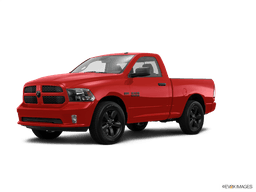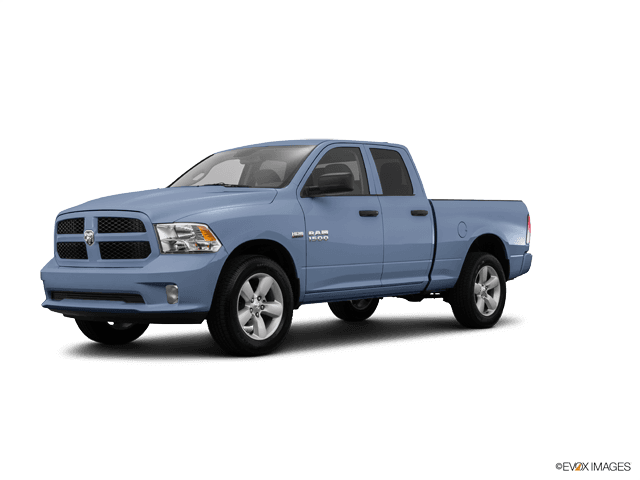
















How to Replace the Fuel Pump Module on a 2016 Ram 1500 (In-Tank Fuel Pump)
Step-by-step tank-drop guide with required tools, parts list, safety tips, and key torque specs for 2013, 2015, 2016, 2017
How to Replace the Fuel Pump Module on a 2016 Ram 1500 (In-Tank Fuel Pump)
Step-by-step tank-drop guide with required tools, parts list, safety tips, and key torque specs for 2013, 2015, 2016, 2017


🔧 1500 - Fuel Pump Module Replacement
Your 1500 uses an in-tank fuel pump module (pump + fuel level sender) inside the fuel tank. Replacing it usually means lowering the fuel tank, swapping the pump module and seal, then reinstalling everything and checking carefully for leaks.
Difficulty Level: Advanced | Estimated Time: 3-6 hours
Assumption: no factory bed access panel; tank must be lowered.
⚠️ Safety & Precautions
- ⚠️ Work outside or in a well-ventilated area; fuel vapors ignite easily.
- ⚠️ No smoking, no hot lights, no grinding/sparks near the truck.
- ⚠️ Disconnect the negative battery cable to prevent accidental sparks.
- ⚠️ Relieve fuel system pressure before disconnecting any fuel line.
- ⚠️ Support the fuel tank with a transmission jack; a tank can shift suddenly.
- ⚠️ If the tank is more than 1/4 full, siphon/drain fuel to reduce weight.
🔧 Required Tools
You'll need the following tools for this repair:
- Safety glasses
- Nitrile gloves
- Fire extinguisher (Class B)
- Wheel chocks
- Floor jack (rated 3-ton minimum)
- Jack stands (rated 3-ton minimum)
- Transmission jack (specialty)
- Socket set (8mm-21mm)
- Ratchet (3/8")
- Breaker bar (1/2")
- Torque wrench (10-200 ft-lbs)
- Fuel line disconnect tool set (specialty)
- Trim clip removal tool
- Flathead screwdriver
- Needle-nose pliers
- Brass punch (specialty)
- Dead-blow hammer
- Drain pan (at least 10 quarts)
- Shop towels
- Paint marker
🔩 Required Parts
HowToo sells all the parts you need for this repair:
- Fuel pump module assembly - Qty: 1
- Fuel pump module tank seal/O-ring - Qty: 1
- Fuel tank strap bolts (recommended) - Qty: 2-4
- Fuel line retaining clips (if equipped, recommended) - Qty: 1 set
📋 Before You Begin
- Park on level ground, set the parking brake, and chock the front wheels.
- Run the fuel level as low as possible (easier and safer).
- Disconnect the negative battery cable using a 10mm socket.
- Relieve fuel pressure: remove the fuel pump relay/fuse, start the engine, let it stall, then crank 3 seconds more.
- Have your transmission jack (specialty) positioned under the center of the fuel tank before loosening straps.
🔨 Step-by-Step Instructions
Follow these steps in order:
Step 1: Make the truck safe to work under
- Lift the rear with a floor jack (rated 3-ton minimum) and support the frame with jack stands (rated 3-ton minimum).
- Shake the truck gently to confirm it’s stable before crawling underneath.
Step 2: Relieve fuel pressure (double-check)
- Use the socket set (8mm-21mm) to open the fuse/relay box as needed.
- Remove the fuel pump relay/fuse, then start the engine and let it die.
- Put the relay/fuse in a labeled pocket.
Step 3: Support the fuel tank
- Position the transmission jack (specialty) under the fuel tank with a flat piece of wood or a wide pad.
- Snug the jack up to the tank so it cannot drop when straps are loosened.
Step 4: Disconnect the filler neck and vent connections
- Use a flathead screwdriver to loosen worm clamps (if equipped) or use pliers for spring clamps.
- Carefully twist hoses to break them free, then pull off (do not stab or pry hard on plastic).
- Use shop towels to catch drips.
Step 5: Unplug the fuel pump electrical connector
- Locate the harness at the top/front side of the tank area.
- Release the lock tab and unplug by hand; use a trim clip removal tool if the clip is stubborn.
Step 6: Disconnect fuel lines at the tank
- Use the fuel line disconnect tool set (specialty); it’s a small plastic/metal collar tool that releases the spring lock inside the quick-connect fitting.
- Push the line in, insert the disconnect tool, then pull the line off while holding the tool in place.
- Cap/cover open lines with shop towels to keep dirt out.
Step 7: Remove any shields/crossmembers that block the tank (if equipped)
- Use the socket set (8mm-21mm) and ratchet (3/8") to remove skid plates or braces as needed.
- Support heavier pieces with the floor jack (rated 3-ton minimum) while removing the last bolts.
- Mark bolt locations with a paint marker.
Step 8: Remove the fuel tank straps
- With the tank supported, use a breaker bar (1/2") and socket set (8mm-21mm) to loosen strap bolts.
- Remove strap bolts fully, then swing straps down and out of the way.
- Torque on install: Torque to 54 Nm (40 ft-lbs) (verify by service info for your equipment).
Step 9: Lower the tank slightly and re-check for anything still attached
- Lower the transmission jack (specialty) a few inches at a time.
- Look and feel for any remaining EVAP lines, clips, or wiring that are still connected.
- Disconnect anything remaining using needle-nose pliers or a trim clip removal tool.
Step 10: Clean the area around the fuel pump module
- With the tank down, wipe dirt away from the top of the module using shop towels.
- This prevents dirt from falling into the tank when the module is removed.
Step 11: Remove the fuel pump lock ring
- Use a brass punch (specialty) and dead-blow hammer to tap the lock ring counterclockwise.
- Brass is used because it’s less likely to spark than steel.
- Lift the lock ring off and set it aside.
Step 12: Remove the old fuel pump module
- Use a paint marker to mark the module orientation before lifting it out.
- Lift the module slowly; angle it to clear the float arm (fuel level sensor arm).
- Let fuel drain from the module into a drain pan (at least 10 quarts).
Step 13: Replace the tank seal/O-ring
- Remove the old seal by hand and clean the sealing surface with shop towels.
- Install the new fuel pump module tank seal/O-ring fully seated and flat (not twisted).
Step 14: Install the new fuel pump module
- Lower the new module into the tank, keeping the float arm from bending.
- Align using your paint marks, then press down evenly.
- Reinstall the lock ring and tap clockwise with the brass punch (specialty) and dead-blow hammer until fully seated/locked.
Step 15: Raise the tank and reconnect lines and wiring
- Raise the tank slowly using the transmission jack (specialty).
- Reconnect fuel lines until you feel/hear a solid “click,” then tug-test by hand.
- Reconnect EVAP lines and the electrical connector until the lock clicks.
Step 16: Reinstall straps, shields, and filler/vent hoses
- Install the tank straps and start bolts by hand to avoid cross-threading.
- Tighten with a torque wrench (10-200 ft-lbs): Torque to 54 Nm (40 ft-lbs) (verify by service info for your equipment).
- Reinstall any skid plates/braces using the socket set (8mm-21mm).
- Torque on shield/braces: Torque to 61 Nm (45 ft-lbs) unless otherwise specified by the specific fastener set.
- Reconnect filler and vent hoses and tighten clamps using a flathead screwdriver or pliers.
Step 17: Restore power
- Reinstall the fuel pump relay/fuse by hand.
- Reconnect the negative battery cable using a 10mm socket.
- Torque to 6 Nm (53 in-lbs) on the battery terminal clamp (snug, do not crush).
✅ After Repair
- Cycle the key to prime the system: key ON for 3 seconds, OFF for 10 seconds; repeat 3 times (do not crank).
- Start the engine and let it idle while you inspect under the truck for leaks at fuel lines and the top of the tank.
- Confirm the fuel gauge reads plausibly (it may take a minute to update).
- Test drive 5-10 minutes, then re-check for seepage or fuel smell.
💰 DIY vs Shop Cost
Shop Cost: $900-$1,600 (parts + labor)
DIY Cost: $250-$700 (parts only)
You Save: $650-$900 by doing it yourself!
Shop labor rates vary but typically run $100-$150/hour. This repair takes a shop approximately 3-5 hours.
🎯 Ready to get started?
HowToo makes it easy: same-day/2-day shipping on every part, plus all the tools and specialty tools you need! Check out the parts and tools sections below to add everything to your cart.