













How to Replace the Fuel Pump Module on a 2016 Kia Sorento (In-Tank DIY Guide)
Step-by-step instructions with required tools/parts, safety tips, fuel pressure relief, and priming/leak checks for 2016, 2017, 2018
How to Replace the Fuel Pump Module on a 2016 Kia Sorento (In-Tank DIY Guide)
Step-by-step instructions with required tools/parts, safety tips, fuel pressure relief, and priming/leak checks for 2016, 2017, 2018


🔧 Sorento - Fuel Pump Replacement
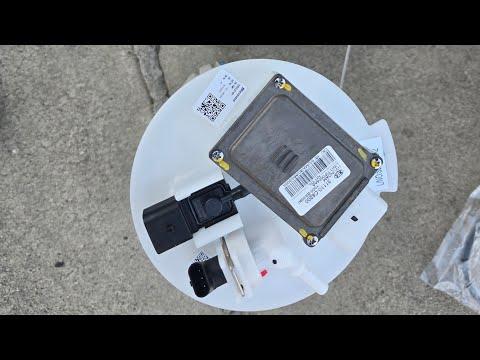
The fuel pump on your Sorento is mounted inside the fuel tank as part of an in-tank “fuel pump module.” The job is mainly about safely relieving fuel pressure, accessing the module (usually under the rear seat), swapping it with a new seal, then priming and leak-checking.
Difficulty Level: Intermediate | Estimated Time: 2-4 hours
⚠️ Safety & Precautions
- ⚠️ Work outside or in a very well-ventilated area; fuel vapors are flammable.
- ⚠️ No smoking, no sparks, no hot work lights; use an LED work light.
- ⚠️ Relieve fuel pressure before disconnecting any fuel line to prevent spray.
- ⚠️ Disconnect the negative battery cable before opening the tank module.
- ⚠️ Keep dirt out of the tank; contamination can ruin the new pump.
- ⚠️ Have a class B fire extinguisher nearby.
🔧 Required Tools
You'll need the following tools for this repair:
- Safety glasses
- Nitrile gloves
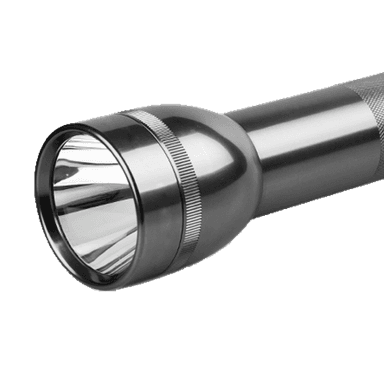
- LED work light
- Fire extinguisher (Class B)
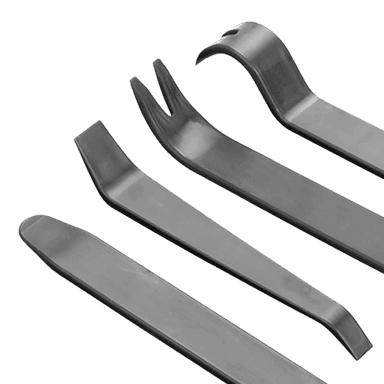
- Trim removal tool set
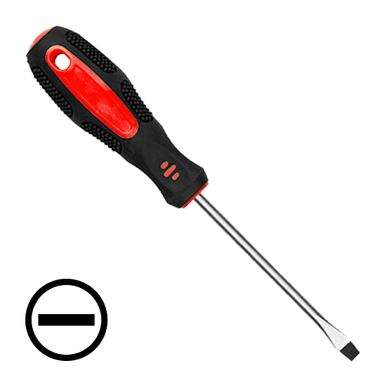
- Flat-blade screwdriver
- Phillips screwdriver
- 10mm socket
- Ratchet
- Extension bar
- Needle-nose pliers
- Fuel line quick-disconnect tool set (specialty)
- Fuel pump lock ring tool (specialty)
- Torque wrench (in-lb or Nm)
- Shop towels
- Catch pan
- Vacuum or compressed air blow gun
- Marker pen
🔩 Required Parts
HowToo sells all the parts you need for this repair:
- Fuel pump module assembly - Qty: 1
- Fuel pump module tank seal / O-ring - Qty: 1
- Fuel line retaining clips - Qty: 1 set
📋 Before You Begin
- 🅿️ Park on level ground, shift to Park, and set the parking brake.
- Let the vehicle cool down completely (no hot exhaust parts near fuel vapors).
- Open the fuel door and loosen the gas cap to reduce tank vapor pressure.
- Plan to work with a lower fuel level (about 1/4 tank is easier and cleaner).
- Know these terms: a quick-connect is a push-on fuel fitting that locks with internal tabs; a lock ring is the large ring that clamps the pump module into the tank.
🔨 Step-by-Step Instructions
Follow these steps in order:
Step 1: Relieve fuel pressure
- Remove the fuel pump fuse/relay (use your owner’s manual fuse diagram; use needle-nose pliers if needed).
- Start the engine and let it run until it stalls; crank for 2-3 seconds once more to relieve residual pressure.
- Turn ignition OFF and reinstall nothing yet.
Step 2: Disconnect the battery
- Use a 10mm socket and ratchet to disconnect the negative battery cable and isolate it so it can’t spring back.
Step 3: Access the fuel pump module (rear seat area)
- Remove the rear seat bottom cushion (use a trim removal tool set and 10mm socket if bolts are present).
- Locate the service access cover in the floor and remove it (use a Phillips screwdriver or 10mm socket, depending on fasteners).
- Clean the area thoroughly before opening the tank (use a vacuum or compressed air blow gun and shop towels). Cleanliness prevents repeat failures.
Step 4: Disconnect wiring and fuel lines
- Unplug the pump module electrical connector (use a flat-blade screwdriver gently if the tab is stuck).
- Place shop towels and a catch pan to catch drips.
- Disconnect the fuel line quick-connect(s) using the fuel line quick-disconnect tool set (specialty).
- If a line uses a colored safety clip, remove it first with needle-nose pliers (do not break it).
Step 5: Mark orientation and remove the lock ring
- Use a marker pen to mark the module’s orientation to the tank (helps reinstall the float correctly).
- Remove the lock ring using the fuel pump lock ring tool (specialty) and a ratchet.
- If it’s stubborn, apply steady pressure—do not use chisels or hammers (spark risk).
Step 6: Remove the fuel pump module
- Carefully lift the module out; tilt it as needed to clear the fuel level float (the float is the small arm/sensor that reads fuel level).
- Let excess fuel drain into the tank; use a catch pan for drips.
- Remove the old tank seal/O-ring from the opening using a trim removal tool set (avoid scratching the sealing surface).
Step 7: Install the new seal and new module
- Install the new fuel pump module tank seal / O-ring into the tank opening (use nitrile gloves and keep it clean).
- Lower the new module in, keeping the float from bending, and align it to your marks.
- Install the lock ring and tighten with the fuel pump lock ring tool (specialty).
- Use a torque wrench to tighten the lock ring to the OEM service-manual specification for your Sorento’s tank module lock ring. Torque to OEM specification.
Step 8: Reconnect fuel lines and wiring
- Reconnect the fuel line(s) until you feel/hear a click; gently pull back to confirm they’re locked.
- Reinstall any safety clips (replace damaged clips with the new fuel line retaining clips).
- Reconnect the electrical connector.
Step 9: Reinstall the access cover and rear seat
- Reinstall the service cover (use a Phillips screwdriver or 10mm socket).
- Use a torque wrench for access-cover fasteners if specified. Torque to OEM specification.
- Reinstall the rear seat cushion (use a trim removal tool set and 10mm socket if equipped with bolts).
Step 10: Restore power and prime the fuel system
- Reconnect the negative battery cable using a 10mm socket and ratchet.
- Reinstall the fuel pump fuse/relay (use needle-nose pliers if needed).
- Turn ignition ON (do not start) for 5 seconds, then OFF for 5 seconds; repeat 3 times to prime the system.
✅ After Repair
- With ignition ON, inspect the pump module area for any fuel smell or wetness.
- Start the engine and let it idle for 2-3 minutes; recheck for leaks.
- Take a short test drive, then recheck for leaks again.
- If the fuel gauge reads wrong after replacement, the float may be mispositioned—shut down and recheck orientation.
💰 DIY vs Shop Cost
Shop Cost: $900-$1,600 (parts + labor)
DIY Cost: $250-$700 (parts only)
You Save: $650-$900 by doing it yourself!
Shop labor rates vary but typically run $100-$150/hour. This repair takes a shop approximately 2-4 hours.
🎯 Ready to get started?
HowToo makes it easy: same-day/2-day shipping on every part, plus all the tools and specialty tools you need! Check out the parts and tools sections below to add everything to your cart.