









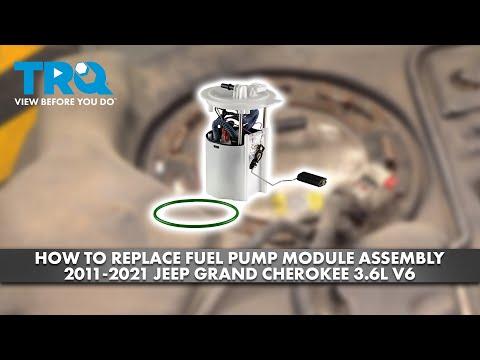





How to Replace the Fuel Pump Module on a 2014 Jeep Grand Cherokee (In-Tank Pump)
Step-by-step DIY guide with safety tips, required tools/parts, access panel check vs tank removal, and priming steps
How to Replace the Fuel Pump Module on a 2014 Jeep Grand Cherokee (In-Tank Pump)
Step-by-step DIY guide with safety tips, required tools/parts, access panel check vs tank removal, and priming steps


🔧 Fuel Pump Module - Replacement
On your Grand Cherokee, the fuel pump is part of an in-tank fuel pump module (pump + level sensor). The exact replacement procedure depends on whether your A4 has an access panel under the rear seat (some vehicles do, many require fuel tank removal).
Before I give the full step-by-step: please answer these 2 quick questions so I don’t send you down the wrong path.
- ❓ When you lift the rear seat bottom cushion, do you see a round metal/plastic access cover with wiring/fuel lines under it?
- ❓ Are you replacing the entire fuel pump module or just the pump motor?
Reply with “access panel: yes/no” and “module/motor”.
Difficulty Level: Intermediate | Estimated Time: 1.0-4.5 hours (depends on access panel)
⚠️ Safety & Precautions
- ⚠️ Work outside or in a well-ventilated area—fuel vapors ignite easily.
- ⚠️ No smoking, no hot work lights, no sparks; keep a Class B fire extinguisher nearby.
- ⚠️ Relieve fuel pressure before disconnecting lines to prevent fuel spray.
- ⚠️ Support the vehicle with jack stands—never rely on a floor jack.
- ⚠️ Disconnect the negative battery cable before unplugging the pump wiring.
🔧 Required Tools
You'll need the following tools for this repair:
- Safety glasses
- Nitrile gloves
- Class B fire extinguisher
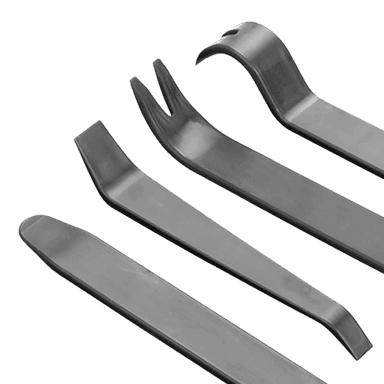
- Trim removal tool set
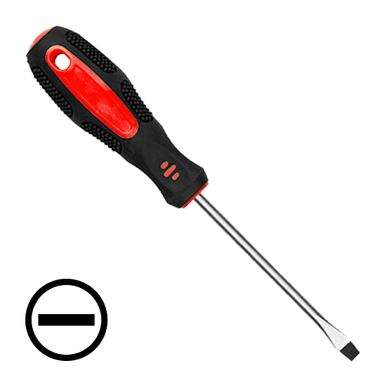
- Flathead screwdriver
- 8mm socket
- 10mm socket
- 13mm socket
- Ratchet
- 3/8" torque wrench
- Fuel line quick-disconnect tool set
- Floor jack (rated 3-ton minimum)
- Jack stands (rated 3-ton minimum)
- Wheel chocks
- Drain pan
- Shop towels
- Hand siphon pump (fuel-safe)
- Fuel pump lock ring tool (specialty)
🔩 Required Parts
HowToo sells all the parts you need for this repair:
- Fuel pump module assembly - Qty: 1
- Fuel pump module seal O-ring - Qty: 1
- Fuel line retaining clips - Qty: 1
- Dielectric grease - Qty: 1
📋 Before You Begin
- Park on level ground, set the parking brake, and place wheel chocks at the front wheels.
- Run the fuel level as low as possible—less weight makes this much safer if the tank must come down.
- Have a safe, approved fuel container ready if you need to siphon fuel.
- Open the fuel door and loosen the gas cap to reduce tank vapor pressure.
🔨 Step-by-Step Instructions
Follow these steps in order:
Step 1: Relieve fuel pressure
- Open the hood.
- Use an 8mm socket and ratchet to loosen the negative battery terminal clamp and remove the cable from the battery post.
- Re-connect the negative cable temporarily only long enough to perform the next step if needed, then disconnect again. Prevents accidental sparks.
Step 2: Check for a rear-seat access panel (fastest path)
- Use a trim removal tool set to carefully lift the rear seat bottom cushion release points and flip the cushion up.
- Look for a round access cover with electrical connector and fuel line(s).
- If you see it, stop here and reply: “access panel: yes”. If you don’t, reply: “access panel: no”.
Step 3: Identify what you’re replacing (module vs motor)
- If you bought a complete assembly, reply: “module”.
- If you bought only the pump motor, reply: “motor”.
- This matters because the internal transfer and level-sensor pieces differ by build.
Step 4: Pause here to avoid incorrect disassembly
- Once you answer the 2 questions above, I’ll provide the exact procedure for your configuration (access-panel service vs fuel tank removal), including the correct fastener torque specs and line disconnect points.
✅ After Repair
- Cycle the ignition to RUN for 3 seconds, then OFF, 3–4 times to prime the system before starting.
- Inspect for leaks at the pump seal area and at every fuel line connection.
- Clear any stored codes and re-check for pending codes after a short drive.
💰 DIY vs Shop Cost
Shop Cost: $650-$1,400 (parts + labor)
DIY Cost: $180-$650 (parts only)
You Save: $470-$750 by doing it yourself!
Shop labor rates vary but typically run $100-$150/hour. This repair takes a shop approximately 1.0-4.5 hours.
🎯 Ready to get started?
HowToo makes it easy: same-day/2-day shipping on every part, plus all the tools and specialty tools you need! Check out the parts and tools sections below to add everything to your cart.