









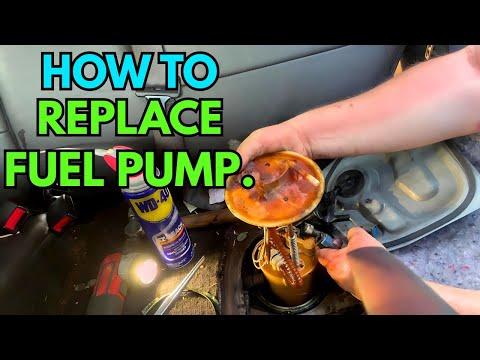






How to Replace the Fuel Pump Module on a 2014 Ford Escape (In-Tank Pump Guide)
Step-by-step access-cover vs tank-drop instructions, required tools/parts, safety tips, and post-repair priming checks
How to Replace the Fuel Pump Module on a 2014 Ford Escape (In-Tank Pump Guide)
Step-by-step access-cover vs tank-drop instructions, required tools/parts, safety tips, and post-repair priming checks


🔧 Escape - Fuel Pump Replacement
On your Escape, the fuel pump is part of an in-tank fuel pump module. The exact procedure depends on whether your Escape has an interior access cover (easy) or requires lowering the fuel tank (harder).
Difficulty Level: Intermediate | Estimated Time: 2-6 hours
⚠️ Safety & Precautions
- 🧯 Fuel vapors ignite easily—no smoking, sparks, or hot lights.
- 🧤 Work in a well-ventilated area and keep a fire extinguisher nearby.
- 🔋 Disconnect the negative battery cable before opening any fuel lines.
- 🛑 Relieve fuel pressure before disconnecting the fuel line to prevent spray.
- 🧼 Clean dirt off the pump area before opening the tank to prevent contamination.
🔧 Required Tools
You'll need the following tools for this repair:
- Safety glasses
- Nitrile gloves
- Fire extinguisher (Class B)
- 10mm socket
- 1/4" ratchet
- 3/8" ratchet
- 6" extension (1/4")
- Trim removal tool
- Flat-blade screwdriver
- Fuel line disconnect tool set
- Brass drift punch set
- Dead-blow hammer
- Torque wrench (3/8" drive)
- Shop vacuum
- Shop rags
- Drain pan
- Floor jack (rated 3-ton minimum)
- Jack stands (rated 3-ton minimum)
- Wheel chocks
- Transmission jack (specialty)
🔩 Required Parts
HowToo sells all the parts you need for this repair:
- Fuel pump module assembly - Qty: 1
- Fuel pump module seal (tank O-ring/gasket) - Qty: 1
- Fuel line retaining clips (if equipped) - Qty: 1
📋 Before You Begin
- Park your Escape on level ground and set the parking brake.
- Chock the rear wheels using wheel chocks.
- Plan to work with the fuel tank as close to empty as possible (safer and lighter).
- Disconnect the battery: use a 10mm socket to remove the negative cable and isolate it.
🔨 Step-by-Step Instructions
Before I give you the exact steps (access-cover method vs tank-lowering method), I need 2 quick details:
- Does your Escape have a fuel pump access cover under the rear seat bottom or cargo floor (a round/oval metal plate with screws)?
- Are you replacing the entire fuel pump module assembly or only the pump motor inside the module?
Reply with those 2 answers and I’ll give you the exact, trim-correct procedure.
✅ After Repair
- Turn the key to ON (engine off) for 5 seconds, then OFF—repeat 3 times to prime the system.
- Start the engine and inspect for fuel leaks at the pump seal area and fuel line connection.
- Clear any fuel-related codes if a warning light appears after repair.
💰 DIY vs Shop Cost
Shop Cost: $700-$1,400 (parts + labor)
DIY Cost: $250-$650 (parts only)
You Save: $450-$750 by doing it yourself!
Shop labor rates vary but typically run $100-$150/hour. This repair takes a shop approximately 2-4 hours.
🎯 Ready to get started?
HowToo makes it easy: same-day/2-day shipping on every part, plus all the tools and specialty tools you need! Check out the parts and tools sections below to add everything to your cart.