









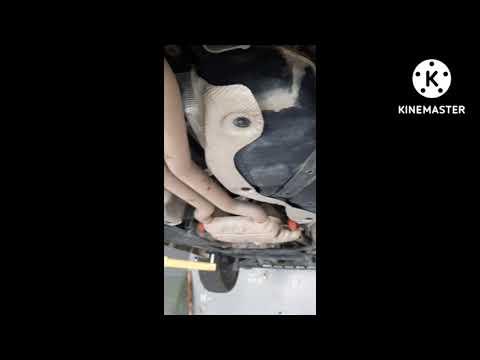







How to Replace the Fuel Pump Module on a 2011-2018 Dodge Durango (In-Tank Pump) (Engine: V6 3.6L)
Step-by-step fuel tank drop instructions with tools, parts list, safety tips, and key torque specs
How to Replace the Fuel Pump Module on a 2011-2018 Dodge Durango (In-Tank Pump) (Engine: V6 3.6L)
Step-by-step fuel tank drop instructions with tools, parts list, safety tips, and key torque specs for 2011, 2012, 2013, 2014, 2015, 2016, 2017, 2018


🔧 Durango - Fuel Pump Module Replacement
On your Durango, the fuel pump is part of an in-tank fuel pump module (it also includes the fuel level sensor). The job is mostly about safely lowering the fuel tank, swapping the module and seal, then re-priming the system and checking for leaks.
Difficulty Level: Advanced | Estimated Time: 3-5 hours
⚠️ Safety & Precautions
- ⚠️ Work outside or in a very well-ventilated area—fuel vapors are extremely flammable.
- ⚠️ No smoking, sparks, heat guns, or incandescent drop lights near the vehicle.
- ⚠️ Relieve fuel pressure before opening any fuel line to prevent fuel spray.
- ⚠️ Disconnect the negative battery cable to prevent accidental sparks.
- ⚠️ Support the fuel tank with a jack before removing straps—an un-supported tank can drop suddenly.
- ⚠️ Keep a class B fire extinguisher nearby.
🔧 Required Tools
You'll need the following tools for this repair:
- Safety glasses
- Nitrile gloves
- Fire extinguisher class B
- Floor jack (rated 3-ton minimum)
- Jack stands (rated 3-ton minimum)
- Wheel chocks
- Socket set (8mm, 10mm, 13mm, 15mm) with ratchet
- Extensions (3" and 6")
- Torque wrench (20–200 Nm range)
- Flat trim tool
- Fuel line disconnect tool set (3/8" and 5/16")
- Hose clamp pliers
- Brass punch and small hammer
- Fuel pump lock ring tool (specialty)
- Drain pan
- Shop towels
- Permanent marker
🔩 Required Parts
HowToo sells all the parts you need for this repair:
- Fuel pump module assembly - Qty: 1
- Fuel pump module tank seal/O-ring - Qty: 1
- Fuel tank strap bolts - Qty: 2 (recommended if rusty)
📋 Before You Begin
- Park on level ground, set the parking brake, and chock the front wheels.
- Drive until the tank is as low as possible—less fuel makes the tank much lighter.
- Open the fuel door and loosen the gas cap to release tank vapor pressure.
- Plan your workspace: have a clean table ready for the new module and seal.
🔨 Step-by-Step Instructions
Follow these steps in order:
Step 1: Relieve fuel pressure
- Open the hood and remove the fuel pump relay/fuse from the under-hood fuse box (use your owner’s manual cover diagram).
- Start the engine and let it run until it stalls. Crank 2–3 more seconds to release leftover pressure.
- Turn the key OFF.
Step 2: Disconnect the battery
- Use a 10mm socket to disconnect the negative battery terminal and isolate it so it can’t spring back.
Step 3: Raise and support the rear
- Lift the rear with a floor jack (rated 3-ton minimum) at the proper jack point.
- Set the vehicle down on jack stands (rated 3-ton minimum).
Step 4: Support the fuel tank
- Position the floor jack (rated 3-ton minimum) under the fuel tank with a flat piece of wood on the jack pad to spread the load.
- Jack up lightly until the tank is supported (not lifting the vehicle).
Step 5: Disconnect filler neck and vent connections (as needed)
- Use hose clamp pliers to loosen the filler/vent hose clamps you can access.
- Twist hoses gently to break them free—don’t pry hard on plastic nipples.
- Tip: Mark hose positions with a marker.
Step 6: Remove the tank straps
- Use a 15mm socket and ratchet with extensions to remove the fuel tank strap bolts.
- Lower the straps and keep the tank supported by the jack.
- During reassembly: Torque tank strap bolts to 68 Nm (50 ft-lbs).
Step 7: Lower the tank slightly and disconnect lines/connectors
- Lower the jack just enough to access the top/front of the tank.
- Disconnect the fuel pump electrical connector using a flat trim tool to release the lock tab (don’t break the clip).
- Disconnect fuel lines using the fuel line disconnect tool set (3/8" and 5/16"). A disconnect tool slides into the fitting to release the internal spring clip.
- Use a drain pan and shop towels to catch small fuel spills.
Step 8: Lower and remove the fuel tank
- With all lines/hoses unplugged, slowly lower the tank fully using the floor jack.
- Slide the tank out from under the vehicle.
Step 9: Clean the pump area before opening the tank
- Wipe dirt away from the top of the module and lock ring using shop towels.
- Tip: Dirt in the tank can ruin the new pump.
Step 10: Remove the lock ring and fuel pump module
- Use a fuel pump lock ring tool (specialty) to turn the lock ring counterclockwise and remove it.
- If you don’t have the tool: use a brass punch and small hammer carefully on the ring tabs (brass helps reduce spark risk).
- Lift the module straight up and angle it as needed to clear the float arm (fuel level arm).
- Remove the old seal/O-ring from the tank opening.
Step 11: Install the new seal and module
- Install the new fuel pump module tank seal/O-ring into the tank groove (make sure it lays flat and isn’t twisted).
- Carefully lower the new module into the tank, watching the float arm so it doesn’t bend.
- Install the lock ring and tighten using the fuel pump lock ring tool (specialty).
- Torque lock ring to 55 Nm (41 ft-lbs).
Step 12: Reinstall the tank
- Place the tank on the floor jack and raise it partway.
- Reconnect the electrical connector and fuel lines (push until you feel/hear a solid click).
- Reconnect filler/vent hoses using hose clamp pliers and ensure clamps are fully seated.
- Raise the tank fully and reinstall straps using the 15mm socket.
- Torque tank strap bolts to 68 Nm (50 ft-lbs).
Step 13: Reconnect battery and prime the system
- Reconnect the negative battery cable using a 10mm socket.
- Turn key to ON (engine OFF) for 3 seconds, then OFF for 10 seconds—repeat 3 times to prime the system.
- Start the engine.
✅ After Repair
- With the engine running, inspect under the vehicle for leaks at the fuel line connections and tank seal area.
- Shut the engine off and re-check for fuel smell or wet spots.
- Test drive 10–15 minutes, then re-check for leaks again.
- If the fuel gauge reads incorrectly, re-check the module seating and connector engagement.
💰 DIY vs Shop Cost
Shop Cost: $900-$1,600 (parts + labor)
DIY Cost: $250-$650 (parts only)
You Save: $650-$950 by doing it yourself!
Shop labor rates vary but typically run $100-$150/hour. This repair takes a shop approximately 3-5 hours.
🎯 Ready to get started?
HowToo makes it easy: same-day/2-day shipping on every part, plus all the tools and specialty tools you need! Check out the parts and tools sections below to add everything to your cart.
Guide for Fuel Pump Module Assembly replace for these Dodge vehicles
| Year Make Model | Sub Model | Engine | Body Style |
|---|---|---|---|
| 2018 Dodge Durango | - | V6 3.6L | - |
| 2018 Dodge Durango | - | V8 5.7L | - |
| 2017 Dodge Durango | - | V6 3.6L | - |
| 2017 Dodge Durango | - | V8 5.7L | - |
| 2016 Dodge Durango | - | V6 3.6L | - |
| 2016 Dodge Durango | - | V8 5.7L | - |
| 2015 Dodge Durango | - | V6 3.6L | - |
| 2015 Dodge Durango | - | V8 5.7L | - |
| 2014 Dodge Durango | - | V6 3.6L | - |
| 2014 Dodge Durango | - | V8 5.7L | - |
| 2013 Dodge Durango | - | V6 3.6L | - |
| 2013 Dodge Durango | - | V8 5.7L | - |
| 2012 Dodge Durango | - | V6 3.6L | - |
| 2012 Dodge Durango | - | V8 5.7L | - |
| 2011 Dodge Durango | - | V6 3.6L | - |
| 2011 Dodge Durango | - | V8 5.7L | - |