














How to Replace the Fuel Cap on a 2018 Toyota Land Cruiser (Fix EVAP Leaks & Check Engine Light)
Step-by-step fuel cap replacement with tools list, safety tips, install steps, and what to do if the CEL stays on for 2000, 2001, 2002, 2003, 2004, 2005, 2006, 2007
How to Replace the Fuel Cap on a 2018 Toyota Land Cruiser (Fix EVAP Leaks & Check Engine Light)
Step-by-step fuel cap replacement with tools list, safety tips, install steps, and what to do if the CEL stays on for 2000, 2001, 2002, 2003, 2004, 2005, 2006, 2007


🔧 Land Cruiser - Fuel Cap Replacement
Replacing the fuel cap on your Land Cruiser is quick and helps prevent fuel vapor leaks that can trigger a check-engine light. A worn seal or a cap that won’t “click” tight is the most common reason to replace it.
Difficulty Level: Beginner | Estimated Time: 0.1-0.3 hours
⚠️ Safety & Precautions
- ⚠️ Work in a well-ventilated area; fuel vapors are flammable.
- ⚠️ Engine OFF and no smoking/open flames nearby.
- ⚠️ Avoid topping off fuel; it can damage the EVAP system.
- ⚠️ If the fuel door area is dirty, clean it first so debris doesn’t fall into the filler neck.
🔧 Required Tools
You'll need the following tools for this repair:
- Nitrile gloves
- Safety glasses
- Clean shop towel
- Mild soap and water
🔩 Required Parts
HowToo sells all the parts you need for this repair:
- Fuel cap - Qty: 1
📋 Before You Begin
- Park on level ground and turn the ignition OFF.
- Let the area cool if you just drove; fuel vapors increase when hot.
- Wipe dirt around the fuel door with a clean shop towel.
🔨 Step-by-Step Instructions
Follow these steps in order:
Step 1: Open the fuel door
- Open the fuel door by hand.
- Put on nitrile gloves and safety glasses.
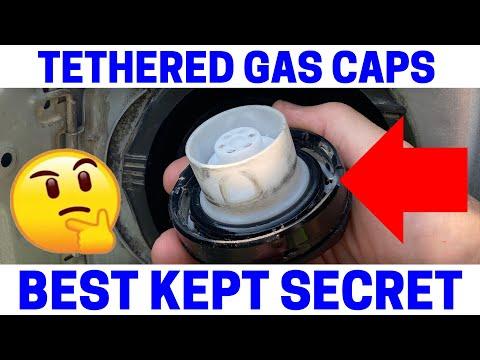
Step 2: Remove the old fuel cap
- Turn the cap counterclockwise by hand until it comes off.
- If it’s attached with a tether, let it hang so it doesn’t scratch paint.
Step 3: Clean and inspect the sealing surfaces
- Use a clean shop towel to wipe the filler neck sealing ring (the smooth surface the cap seals against).
- If needed, lightly wipe with mild soap and water, then dry with the clean shop towel.
- Keep water out of the filler neck.
Step 4: Install the new fuel cap
- Place the new cap on the filler neck and turn it clockwise by hand.
- Tighten until you feel/hear at least one “click.”
- If your cap design doesn’t click, tighten it firmly by hand (do not use tools).
Step 5: Close the fuel door
- Close the fuel door fully until it latches.
- Wipe away any fingerprints or spilled fuel with the clean shop towel.
✅ After Repair
- Start the engine and confirm the fuel cap area has no fuel smell.
- If you replaced the cap due to a check-engine light, it may take a few drive cycles for the light to turn off on its own.
- If the light stays on after several trips, you may need an OBD2 scan to confirm there isn’t another EVAP leak.
💰 DIY vs Shop Cost
Shop Cost: $40-$120 (parts + labor)
DIY Cost: $15-$45 (parts only)
You Save: $25-$75 by doing it yourself!
Shop labor rates vary but typically run $100-$150/hour. This repair takes a shop approximately 0.1-0.3 hours.
🎯 Ready to get started?
HowToo makes it easy: same-day/2-day shipping on every part, plus all the tools and specialty tools you need! Check out the parts and tools sections below to add everything to your cart.